
Last updated November 25, 2026
 Sweep & inspection
 Caps & crowns
 Flue relining
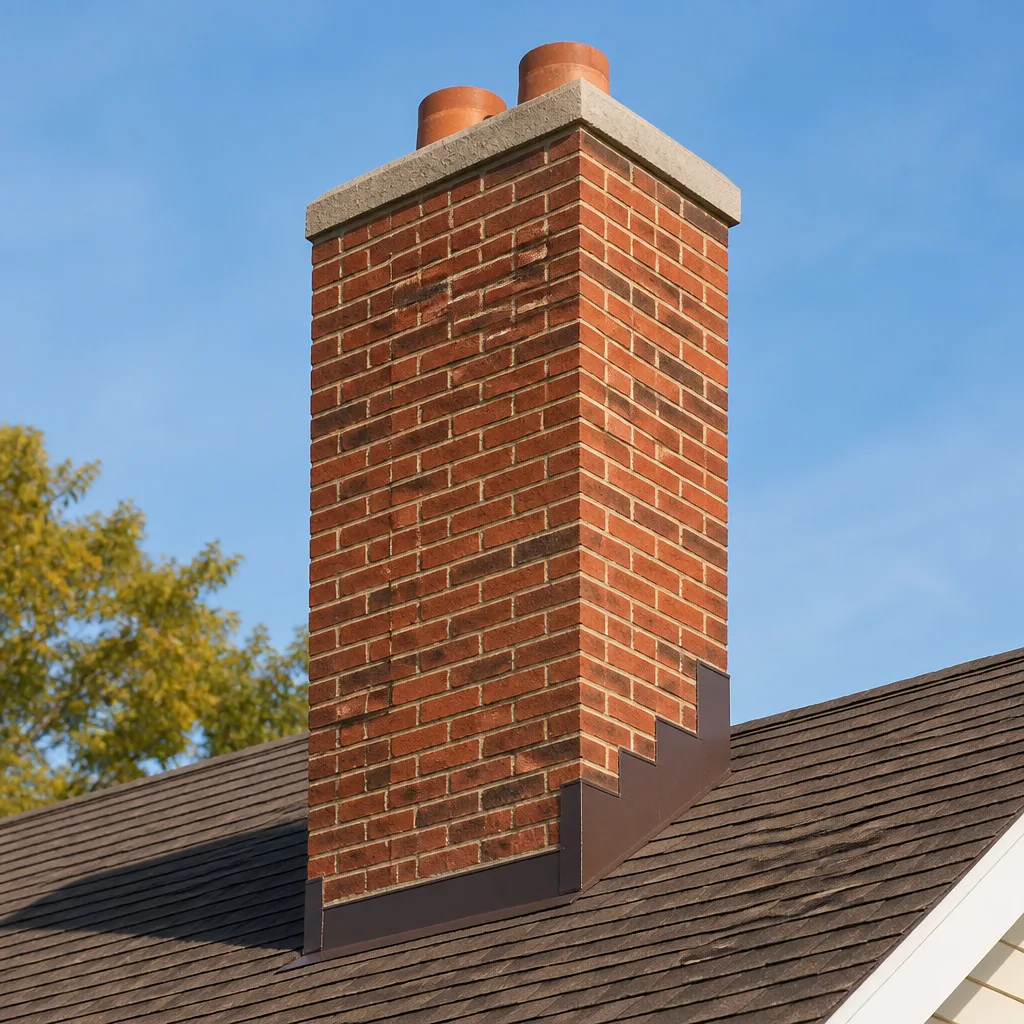 Masonry repair
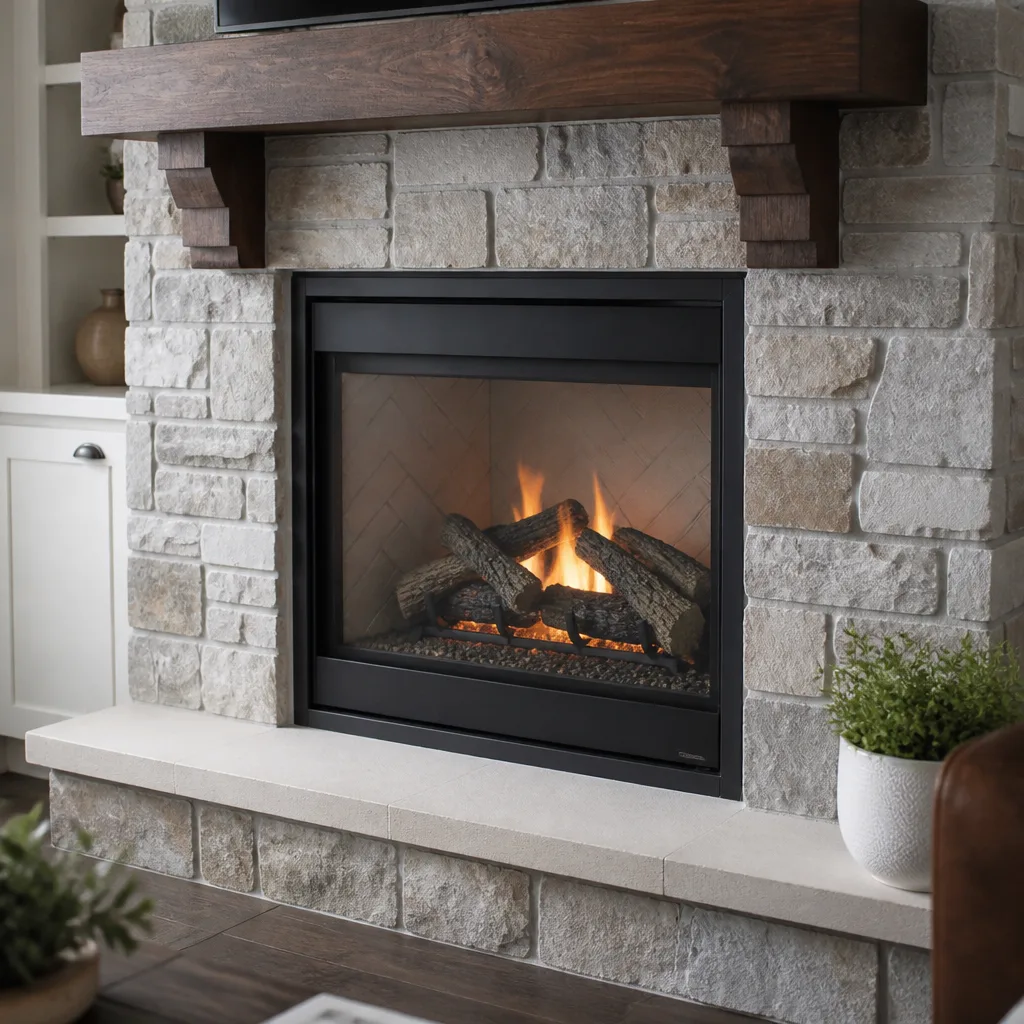 Gas fireplace service
Level 1 sweep and inspection to the NFPA 211 annual standard - flue, crown, cap, and flashing checked and photographed
Chimney sweep logs do not sweep chimneys. They loosen some creosote - which then falls where a brush and vacuum still have to collect it.
Chimney Cleaning Permits, Codes & Inspections in Orange, CA: What You Need to Know
Most homeowners assume chimney work flies under the radar of city hall. It doesn’t. Routine cleaning and sweeping need no paperwork, but the moment a job touches the flue liner, the firebox, or the chimney crown, it can cross into permitted construction under Orange city codes. That distinction matters more than people realize. Unpermitted structural work on a chimney can surface during a home sale, an insurance claim after a fire, or a lender’s appraisal, and by then the contractor who did the work is long gone. This guide explains the line between maintenance and construction, what the South Coast Air Quality Management District requires of wood burners in Orange, how to check whether past work was properly permitted, and when the National Fire Protection Association’s inspection standard applies. You’ll finish knowing exactly what paperwork your chimney should have and what to ask for before anyone picks up a tool.
Styles & brands we work with
- Sweep & inspection
- Caps & crowns
- Flue relining
- Masonry repair
- Gas fireplace service
Quick Answer
Routine chimney cleaning never requires a permit in Orange, CA. Structural work does. Liner replacement, firebox rebuilds, and certain new cap and crown installations typically require a city permit and inspection, and any chimney work tied to a fireplace appliance change can also fall under California Title 24 and SCAQMD Rule 445. Separately, a Level 2 NFPA 211 inspection is the standard that applies to chimney conditions during a real estate transfer and after any structural event such as a chimney fire or an earthquake.
Table of Contents
- Cleaning vs. Construction: Where the Permit Line Falls
- Which Chimney Jobs Need a Permit in Orange?
- California Title 24 and Fireplace Rules in Orange County
- SCAQMD Rule 445 and Spare the Air Days
- How to Verify Past Chimney Permits in Orange
- Level 2 NFPA 211 Inspections: When They’re Required
- What the Work Costs and How to Sequence It
- Common Mistakes to Avoid
- When to Call a Professional
- Frequently Asked Questions
- The Bottom Line
Cleaning vs. Construction: Where the Permit Line Falls
A chimney sweep working with brushes, rods, and a vacuum is performing maintenance. Maintenance does not alter the structure of a building, so it does not require a permit. A sweep who removes creosote from the flue, checks the damper, and cleans the firebox is doing the same category of work as someone cleaning gutters or pressure washing a driveway. Nothing about that visit needs sign-off from the City of Orange.
Construction is different. Any work that removes, replaces, or rebuilds part of the chimney structure is a building alteration, and in Orange, most building alterations require a permit. That includes tearing out a cracked clay tile liner, pouring a new crown, rebuilding a firebox whose mortar has failed, or extending a chimney above the roofline. The permit requirement isn’t about the size of the job; it’s about whether the work changes the structure the building department is responsible for inspecting.
Where homeowners get confused is the gray zone in the middle. A few jobs sit right on the line, and how the work is scoped determines whether a permit is pulled:
- Liner resurfacing with a product like HeatShield coats the inside of an existing liner rather than removing it. Depending on how the job is scoped and what your local building department requires, some jurisdictions treat resurfacing as repair and others treat it as an alteration. Ask the department directly, and ask the contractor what they’re pulling.
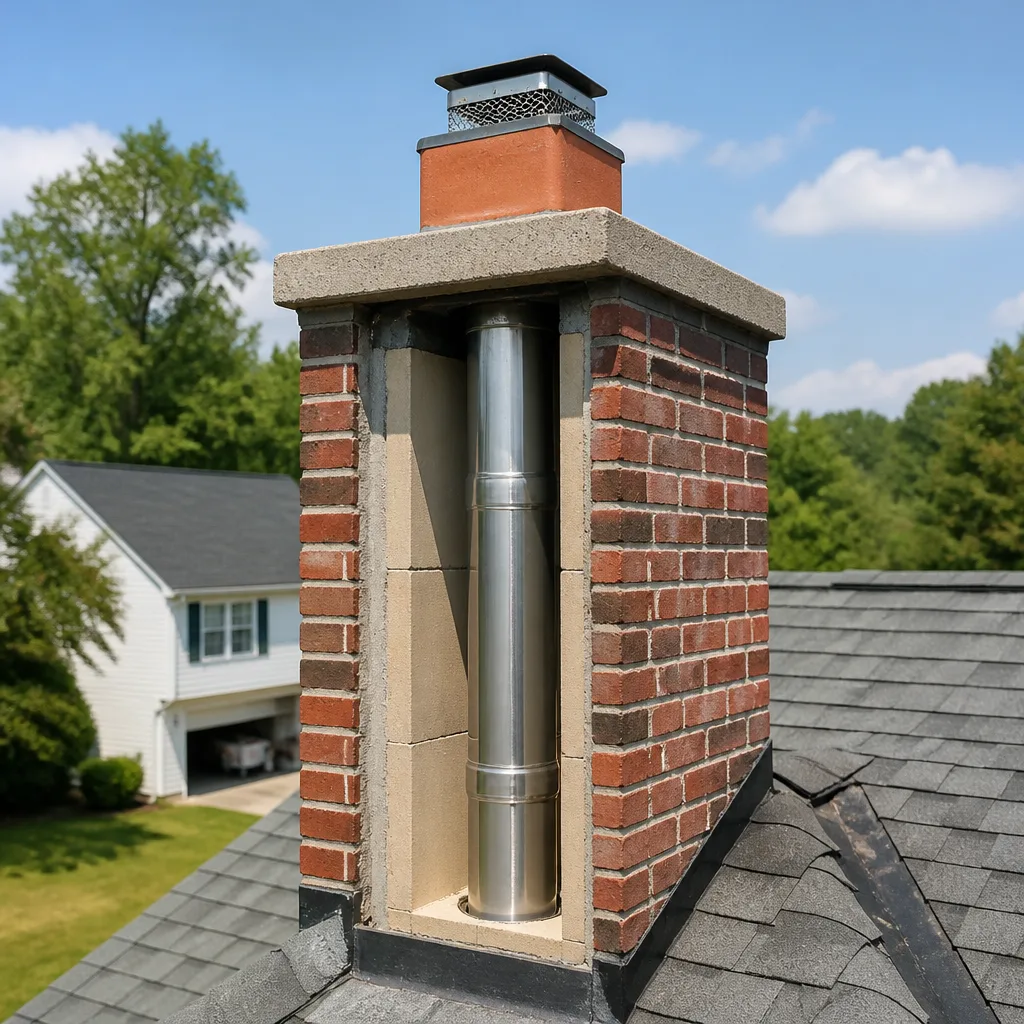
- Full liner replacement with a system such as DuraFlex removes the old liner or slips a new one through it. That’s structural work, and it’s almost always permitted.
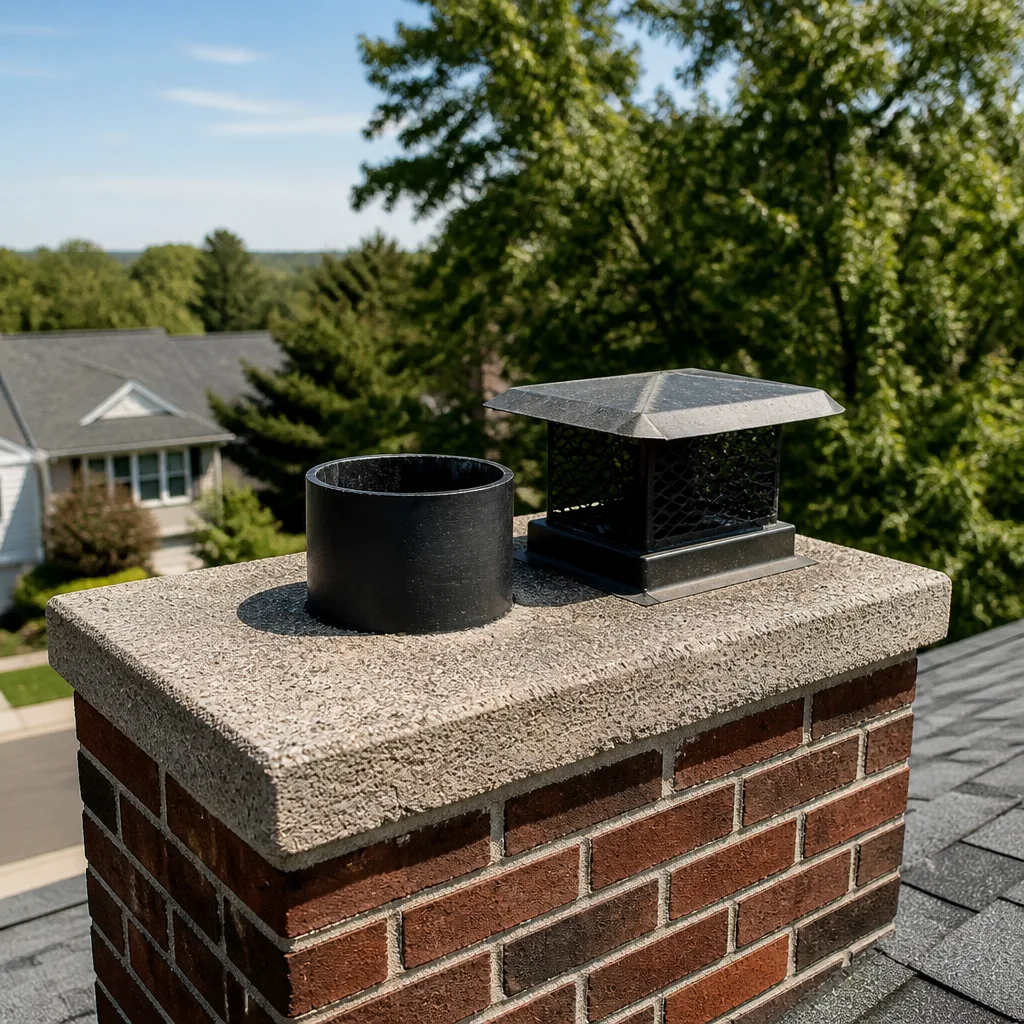
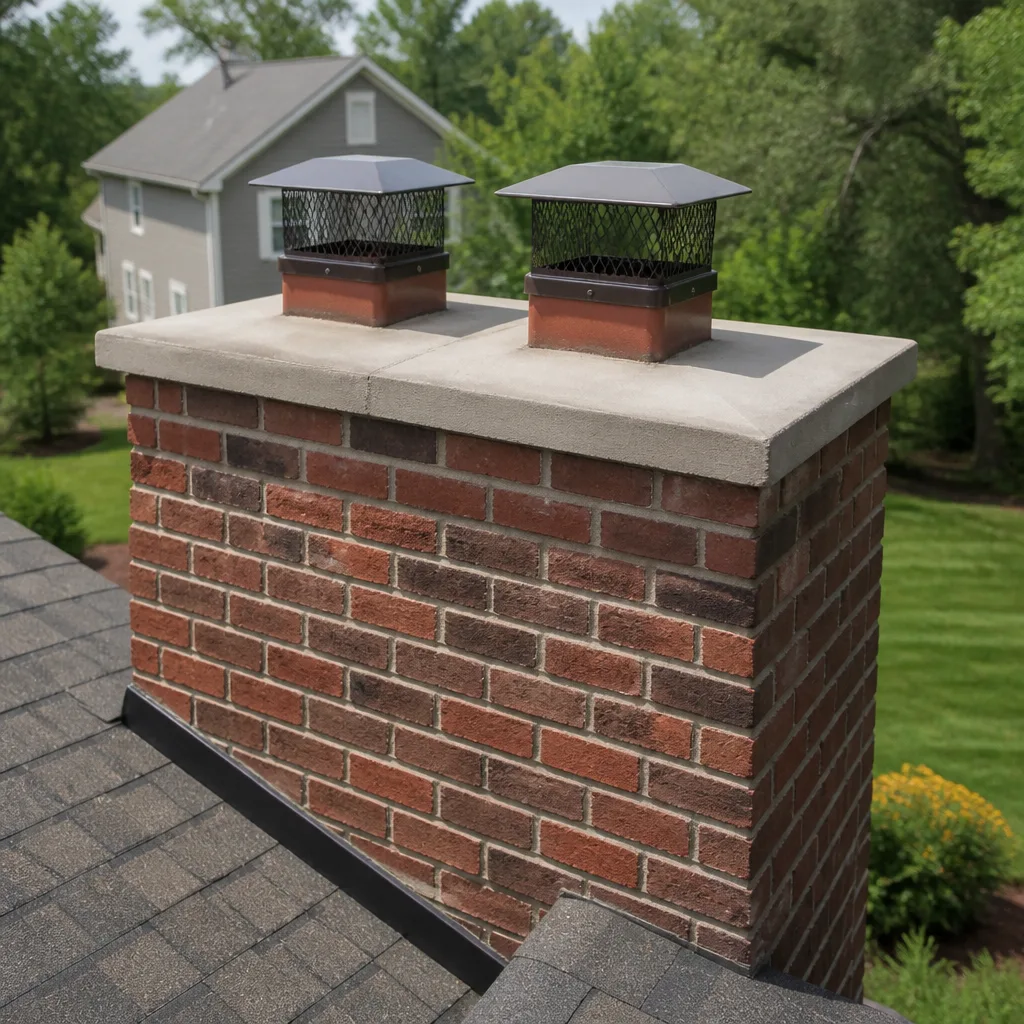
- Cap installation on an existing flue is often considered a non-structural accessory. A new cap and crown assembly that changes the top of the chimney is more likely to require a permit.
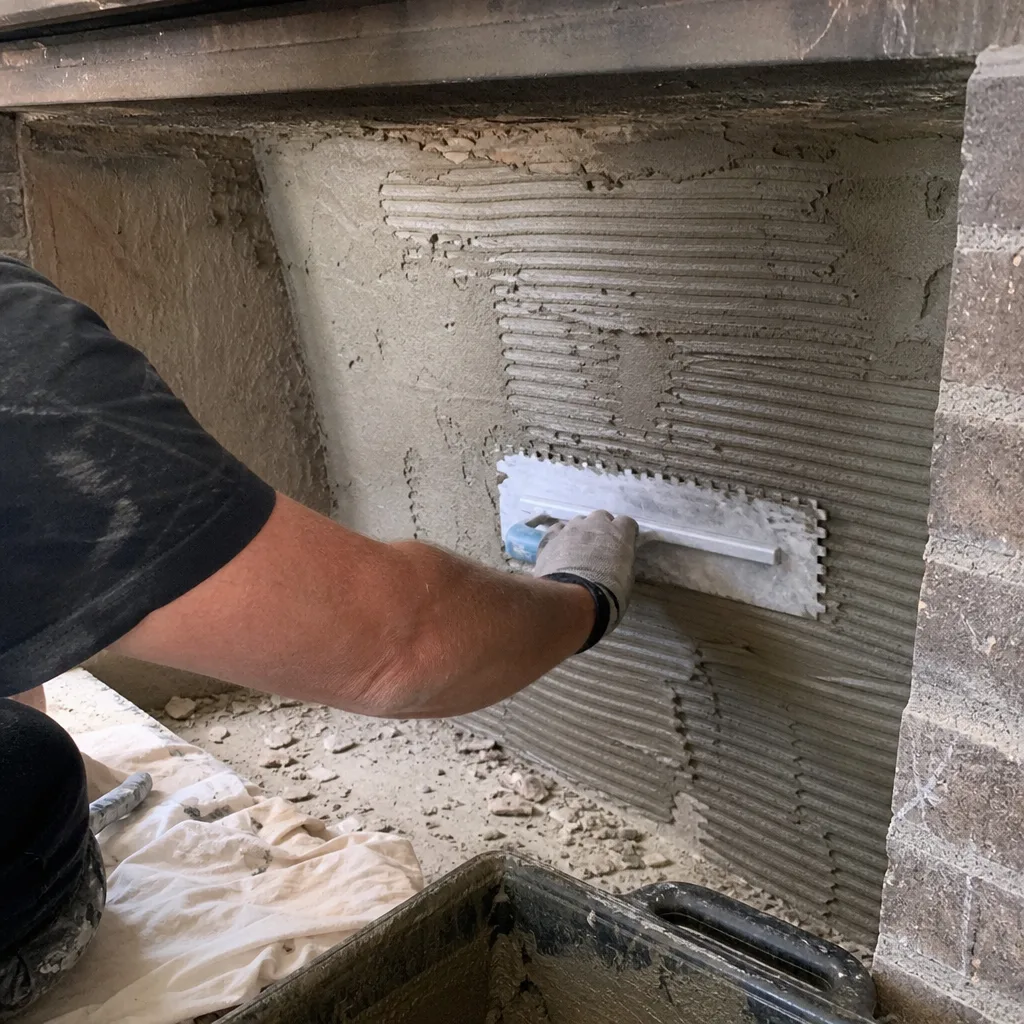
- Firebox rebuilds involve masonry removal and replacement. Treat them as permitted work unless your department tells you otherwise.
When we quote a repair in Orange, we tell the homeowner up front whether we expect a permit to be part of the job. It’s the homeowner’s property and the homeowner’s name that ends up on the record, so that information belongs in their hands before anyone shows up with a hammer. If a contractor isn’t willing to tell you whether a job needs a permit, that’s the first question that needs answering.
Which Chimney Jobs Need a Permit in Orange?
The City of Orange, like most California cities, requires permits for construction that alters a structure. Chimney work that alters structure includes relining, firebox reconstruction, crown replacement, and in many cases replacing the top of a chimney. Sweeping, visual inspection, and minor caulking of a joint do not require a permit anywhere in the state.
Here’s the breakdown by job type as it typically plays out for Orange homeowners:
- Annual sweep and Level 1 inspection: no permit, no paperwork. This is the standard maintenance visit.
- Level 2 camera inspection: no permit. The inspection is diagnostic. It may find a problem that leads to permitted work, but the inspection itself is not construction.
- HeatShield liner resurfacing: ask the City of Orange building department to confirm. Resurfacing restores a damaged liner from the inside without removing it, which some departments classify as repair and some as an alteration of the flue.
- Full liner replacement with a DuraFlex system: a permit is almost always required, especially when the new liner changes the code-compliant diameter or construction of the flue.
- Firebox rebuild or hearth extension: treated as a masonry alteration, and permitted work.
- New crown or cap-and-crown assembly: if the work changes the top of the chimney or its height, expect a permit. Simply adding a cap to an existing flue often does not require one.
Why the distinction matters: permitted work gets inspected. When a liner goes in under a permit, an inspector checks its clearances and its connection to the appliance. When a liner goes in without one, the only person who knows the clearances are correct is the contractor, and once they drive away, there’s no record. For Orange homeowners living in the historic homes downtown, many built in the first half of the last century, liner clearances are exactly the kind of detail that matters after a flue fire.
If you’re considering a chimney repair and you can’t tell whether the job is maintenance or construction, ask the building department. The call is short and it decides the rest of the project.
California Title 24 and Fireplace Rules in Orange County
California Title 24 is the state’s building energy efficiency code, updated every three years. Its fireplace provisions are not aimed at existing chimneys. They govern new construction, major additions, and upgrades to the fireplace appliance itself. If you’re adding a fireplace, replacing a wood-burning insert, or making a significant change to how your home is heated, Title 24 applies. If you’re sweeping and repairing an existing chimney, it usually doesn’t.
Where Title 24 does touch a chimney project in Orange is the junction between energy requirements and air quality. Title 24 has moved toward stricter allowances on wood-burning appliances in new construction and major remodels, and in Southern California that runs alongside the district’s air quality rules. A homeowner who wants to add a wood-burning fireplace to an existing Orange County home is going to face more scrutiny than one who wants to repair an existing one. A gas insert or a retrofitted appliance often sidesteps the wood-burning provisions entirely.
What that means in practice for Orange homeowners:
- If you’re repairing an existing wood-burning fireplace and keeping it as-is, Title 24 usually plays no part.
- If you’re upgrading the appliance, ask the permit office whether energy compliance documentation is required alongside the building permit.
- If you’re adding a fireplace to a new addition, Title 24 almost certainly applies and should be planned for from the design stage.
- Gas and electric fireplaces generally clear energy and air quality review more easily than wood-burning ones.
None of this is a reason to avoid proper work on your chimney. It’s a reason to plan for paperwork before work begins, not after. We’ve found that Orange homeowners handle the process fine when the steps are laid out in order. The trouble comes from surprise, not from compliance.
SCAQMD Rule 445 and Spare the Air Days
SCAQMD Rule 445 is the South Coast Air Quality Management District’s wood-burning rule for this region. It restricts and, on certain days, prohibits the burning of wood in fireplaces and wood-burning appliances across the district, which includes Orange County. On days the district issues a mandatory no-burn alert (commonly called a Spare the Air day for wood burning), homeowners cannot operate a wood-burning fireplace or fire pit. The rule applies to permanent installations and to portable wood-burning devices alike.
Rule 445 also governs how wood-burning appliances can be installed and replaced in this district. New wood-burning installations are tightly restricted, which is one reason gas inserts have become a more common path for Orange homeowners who want to keep a working fireplace. If you’re building or remodeling and want a wood-burning appliance, the district’s standards and the city’s permitting process both have to clear before anything goes in.
What homeowners in Orange actually need to know about Rule 445:
- On a district-issued no-burn day, don’t burn. That’s the operating rule, and it applies whether your chimney is clean or not.
- Check the district’s current alert before lighting a fire, particularly in the cooler months when the rule tends to trigger most often.
- Don’t assume a clean sweep gets you around the rule. The restriction is on burning, not on maintenance.
- Gas fireplaces, pellet appliances that meet district standards, and other non-wood-burning configurations are not restricted the same way.
The practical takeaway for Orange residents: sweeping is not restricted by Rule 445, and you should still get your chimney cleaned on schedule. The rule limits when you can burn, not when you can maintain. Winter here is mild, so most Orange homeowners burn a few weeks a year rather than a whole season, which means creosote accumulates slowly and the yearly check stays the right schedule. Neighborhoods on the north side of town, including the older blocks around the Plaza, tend to have larger chimneys with more masonry to check, and those houses benefit from an inspection at the same time as the sweep.
How to Verify Past Chimney Permits in Orange
The City of Orange building department maintains permit records for work performed on residential properties, and you can request a records search for a specific address. That’s the process, whether you’re buying a home and want to know if the chimney liner was permitted, or you already own one and suspect past work was done without a permit. The request goes to the department that issued the original permit, or would have issued it.
Here’s the order we recommend:
- Pull the property’s permit history through the City of Orange building department. Ask specifically about chimney and fireplace work, because records are indexed by scope, not by trade.
- Compare what the records show to what’s physically at the house. A liner replacement that happened five years ago should show in the history if it was permitted. If it doesn’t, that’s your first flag.
- Ask for a Level 2 inspection by a qualified chimney professional. An NFPA 211 Level 2 inspection uses a camera in the flue and documents the condition of the liner, the clearances, and the connections. The inspection is what tells you how the work was actually done, not just whether it was recorded.
- If unpermitted work is found, talk to the building department about how to get it retroactively permitted. Some work can be inspected and approved after the fact. Some cannot without being redone, and the department is the one who makes that call.
- Document everything. Keep the inspection report, the records search, and the contractor’s estimate together. If you ever file an insurance claim related to a chimney fire, you’ll want that file.
If you’re in escrow, the cleanest move is to request the permit history and a chimney inspection together and get both in writing before contingencies drop. A buyer who discovers an unpermitted liner replacement after closing has a much harder conversation with their insurer than one who found it during due diligence. We’ve seen this play out for Orange buyers on homes near the historic districts, where several owners have made repairs over the decades and not every one left a paper trail.
Level 2 NFPA 211 Inspections: When They’re Required
A Level 2 inspection under NFPA 211 is the standard inspection that uses camera access to examine the chimney’s flue and interior surfaces, along with the firebox, damper, connections, and clearances. It’s more thorough than a Level 1 visual check and less than a Level 3, which involves opening walls or accessing concealed areas. The Level 2 is also the one the standard calls for when a chimney is about to change hands or has been through an event that could have altered it.
The specific triggers for a Level 2 under NFPA 211 are clear:
- A change in the property’s ownership. If you’re buying or selling a home with a chimney, the standard calls for a Level 2 inspection before transfer.
- A change in the appliance. If a fireplace is converted, a new insert is installed, or an appliance is replaced, a Level 2 is the appropriate depth.
- After an event that could have affected the chimney’s condition. A chimney fire is the obvious one. So is an earthquake, which is meaningful in Orange because this part of the county sits in an active seismic zone. A structural event next door, a nearby demolition, or a chimney that has visibly shifted are all reasons to go to Level 2.
- If you suspect an obstruction or a liner failure. A Level 1 visual inspection can’t see around a flue offset. A camera can.
In our experience, the Level 2 is the inspection homeowners ask for when something has happened and they need to know the truth. We treat it as a named service, not an add-on. It’s the step that catches a partially collapsed liner, a cracked clay tile that’s letting moisture into the masonry, or a flue that was quietly relined with a product no one can identify. And it’s the piece of documentation an insurer or a buyer will actually accept.
While we’re inside the chimney, we also check whether past work matches the standards it was supposed to be built to. If a previous installation used a Gelco cap or an Olympia Chimney system, the component will still be identifiable, and we can tell you what’s there and whether it’s performing. If a previous liner was installed without a permit and without proper connections, the inspection is often the first time anyone has looked at it closely since the day it went in.
What the Work Costs and How to Sequence It
Chimney work in Orange is priced per job by a written estimate, not by a flat menu. The reason is that a sweep on a single-flue chimney in a 1950s ranch house is a different scope than a Level 2 on a multi-flue chimney with a liner that needs resurfacing. What we can do is give homeowners a sense of relative cost, along with the sequencing that keeps a project from doubling back on itself.
Typical categories of work, from lowest to highest:
- Sweep and Level 1 inspection: the baseline annual service, priced as a single visit.
- Level 2 inspection with camera: stands alone as a service, and can be paired with the sweep in the same visit when the timing makes sense.
- HeatShield liner resurfacing: a cost-saving path when the existing liner is cracked but the structure around it is sound.
- Full liner replacement with a DuraFlex system: the larger option when resurfacing alone isn’t enough, usually with a permit.
- Firebox rebuild or crown replacement: masonry work, priced by the scope of the rebuild and almost always permitted.
The sequence that saves the most money in Orange is simple. Sweep and inspect first. Find out what’s actually wrong before anyone quotes a repair. Then let the inspection findings and the permit requirement drive the scope, and get a written estimate that spells out what the contractor will pull and what the department will inspect. If the repair can wait until after the burning season, wait, particularly when the inspection finds no active risk. There is no reason to reline a sound flue in July because someone got nervous in March.
We also tell homeowners when a repair can safely wait. A hairline crack in the crown that isn’t letting water in can be monitored. A liner that has lost a section cannot. The camera report is what separates the two, and it’s what gives a homeowner the confidence to hear “wait” when the work doesn’t need to happen now. For more on how the repair scope works, see our chimney repair service, and for the firebox side of things, the fireplace repair page covers what we look at in the appliance itself.
Common Mistakes to Avoid
- Assuming structural work doesn’t need a permit. Liner replacements and firebox rebuilds are alterations, and in Orange they typically require one. Ask the building department before anyone starts, and get the answer in writing.
- Trusting a sweep who won’t talk about permits. If a contractor can’t tell you whether a job is permitted, they aren’t the right contractor for structural work. A sweep-only operation might be excellent at cleaning and still not be the right call for a reline.
- Buying a home with a chimney and skipping the permit check. A buyer near the Plaza or in one of the historic blocks should pull the property’s chimney permit history before contingencies drop. The records request is small compared to the surprise at closing.
- Confusing a Level 1 with a Level 2. A visual inspection doesn’t see around a flue offset. If you’re buying, converting an appliance, or you’ve had a chimney fire or noticed shifting, ask for a camera inspection and a report you can keep.
- Burning on a no-burn day. SCAQMD Rule 445 applies on district-issued alert days regardless of how clean the chimney is. Check the current alert before lighting a fire, especially in the winter months when alerts are more frequent.
- Replacing a liner before asking whether resurfacing will do. HeatShield resurfacing solves a wide range of cracked-liner problems without pulling the liner out. Get an inspection first and ask whether resurfacing fits the damage.
- Leaving past work undocumented. If a prior owner’s contractor skipped the permit, the record gap belongs to the current homeowner at claim time. Fix it now, while it’s a records request, not a claim denial.
When to Call a Professional
Call for a sweep when the flue has a season of use on it, and call sooner if you smell smoke in the room, see soot on the face of the fireplace, or notice that the fire draws poorly. Call for a Level 2 inspection before you buy a home with a chimney, after any chimney fire, and after an earthquake or other event that could have shifted the structure. Call before you start any repair that touches the liner, firebox, or crown, because the permit question needs an answer before the work starts. And call if you’ve just discovered that past work was done without a permit, since getting it documented is easier before a claim than after. Orange Chimney Sweep Pros offers free estimates in Orange. Call (877) 770-1853. We answer 24/7. Fast dispatch from 7am to 7pm, Sunday through Friday.
Frequently Asked Questions
No. Routine chimney cleaning is maintenance and does not require a permit in Orange or anywhere in California. Permits apply to structural work such as liner replacement, firebox rebuilds, and chimney reconstruction, not to sweeping. Call (877) 770-1853 for a free estimate on a sweep or inspection.
In most cases, yes. Replacing a flue liner alters the structure of the chimney and is typically permitted work in Orange. Resurfacing an existing liner with HeatShield can fall on either side of the line depending on how the job is scoped, so confirm with the City of Orange building department before the work starts. Call (877) 770-1853 and we can walk through whether a permit is likely.
A Level 2 inspection uses camera access to examine the flue and interior surfaces along with the firebox, damper, and connections. NFPA 211 calls for one at a property transfer, after an appliance change, and after any event that could have affected the chimney, including a chimney fire or an earthquake. Orange sits in an active seismic zone, so the structural event trigger is a real one here. Call (877) 770-1853 for a free estimate.
Rule 445 is the South Coast Air Quality Management District’s wood-burning rule for this region. On district-issued no-burn alert days, homeowners cannot operate a wood-burning fireplace or fire pit, and the rule also restricts new wood-burning installations. A clean chimney doesn’t exempt you from a no-burn day. Call (877) 770-1853 with questions about your specific setup.
Request the property’s permit history from the City of Orange building department and ask specifically about chimney and fireplace work. Then have a Level 2 inspection done so a qualified professional can compare the physical condition to the records. The two together tell you what was done and whether it was documented. Call (877) 770-1853 for the inspection side.
Once a year is the right baseline for a home that burns wood regularly. Orange winters are mild, so most households burn less than a full season, which means creosote accumulates slowly, but the yearly visit catches the small problems before they become structural ones. Pair the sweep with an inspection so the paperwork stays current. Call (877) 770-1853 for a free estimate.
The Bottom Line
Chimney cleaning in Orange needs no permit. Structural work does, and the line between the two runs through liner replacement, firebox rebuilds, and crown and cap assemblies that change the top of the chimney. California Title 24 and SCAQMD Rule 445 don’t restrict maintenance, but they do govern appliance changes and no-burn days, and homeowners should plan for both. The Level 2 NFPA 211 inspection is the standard that applies at a property transfer and after a chimney fire or earthquake, and it’s also the tool that reveals whether past work was done properly. Documentation is the through-line. Permit history, inspection reports, and written estimates together are what protect a homeowner at claim time and closing time. If you want the paperwork and the work handled through one call, that’s what we do. From the firebox to the cap, Orange Chimney Sweep Pros covers sweeping, inspection, fireplace and chimney repair, and cap and crown work, so a problem found in a chimney sweep gets resolved by the same team. Our technicians have up to 13 years of experience, and we work with HeatShield resurfacing and DuraFlex liner systems when the job calls for them. Call (877) 770-1853 for a free estimate. We answer 24/7. Fast dispatch from 7am to 7pm, Sunday through Friday.
Written by the team at Orange Chimney Sweep Pros.
See the difference
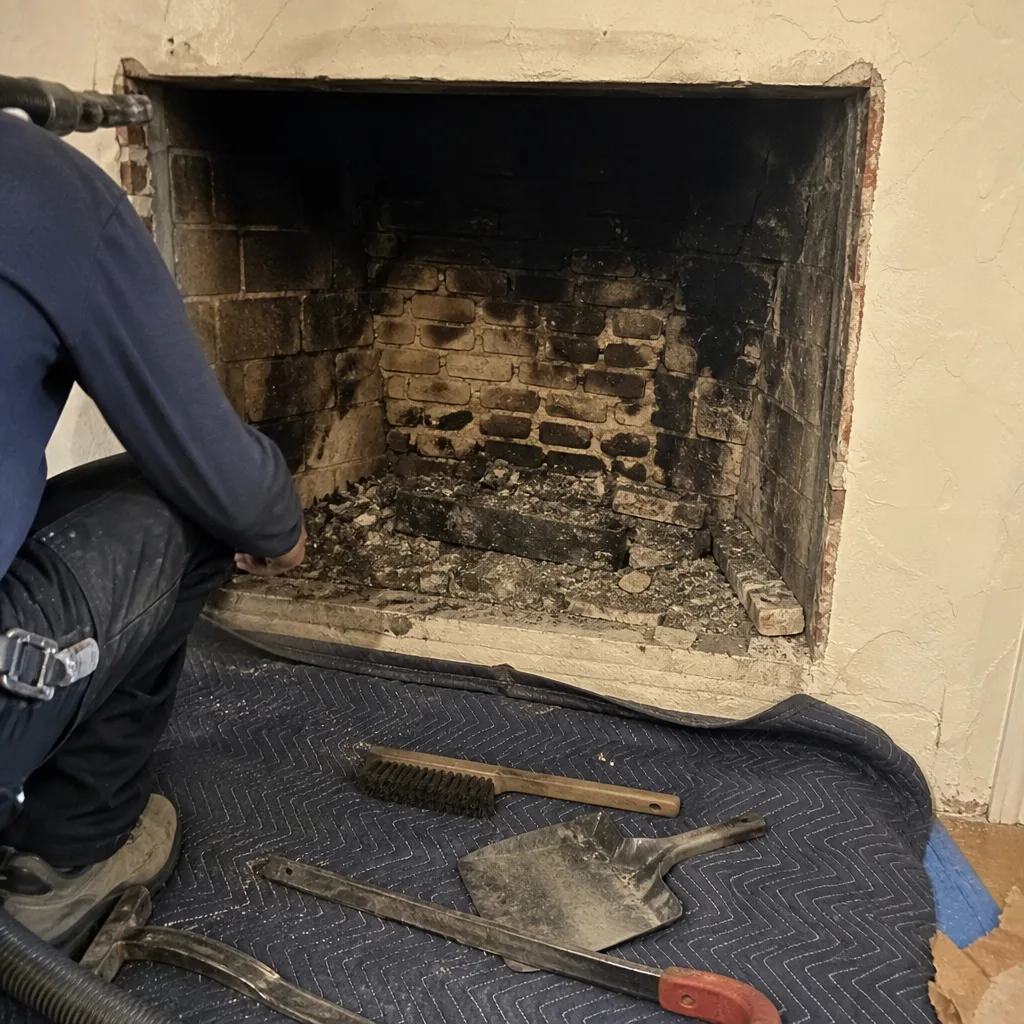 Before
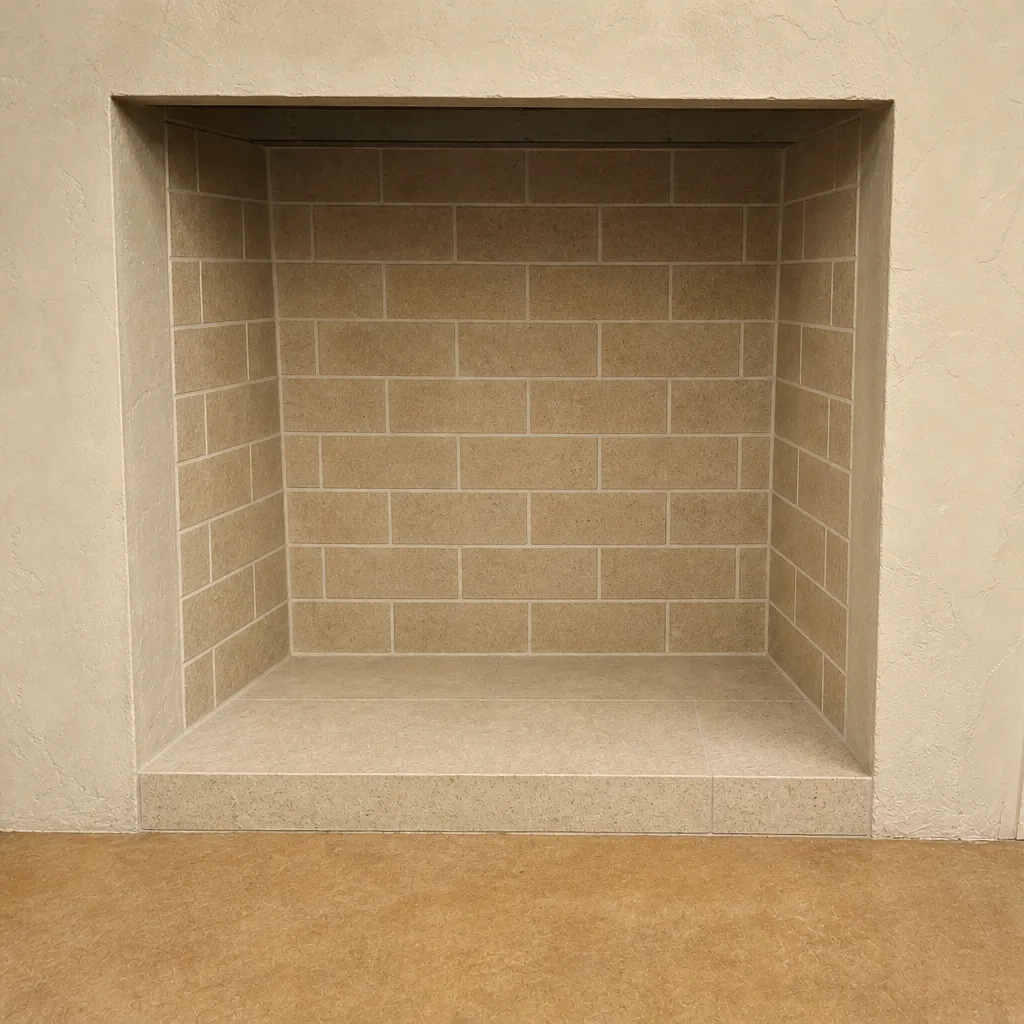 After
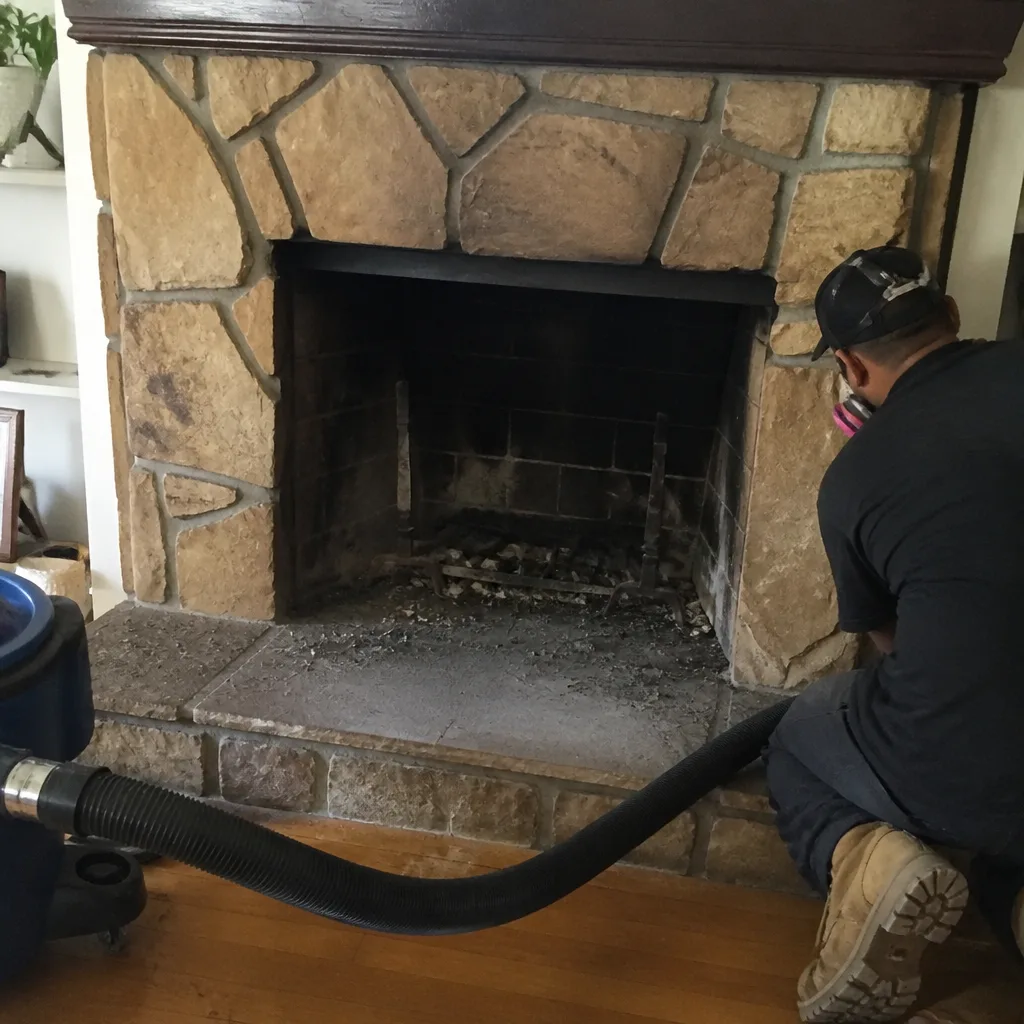 Before
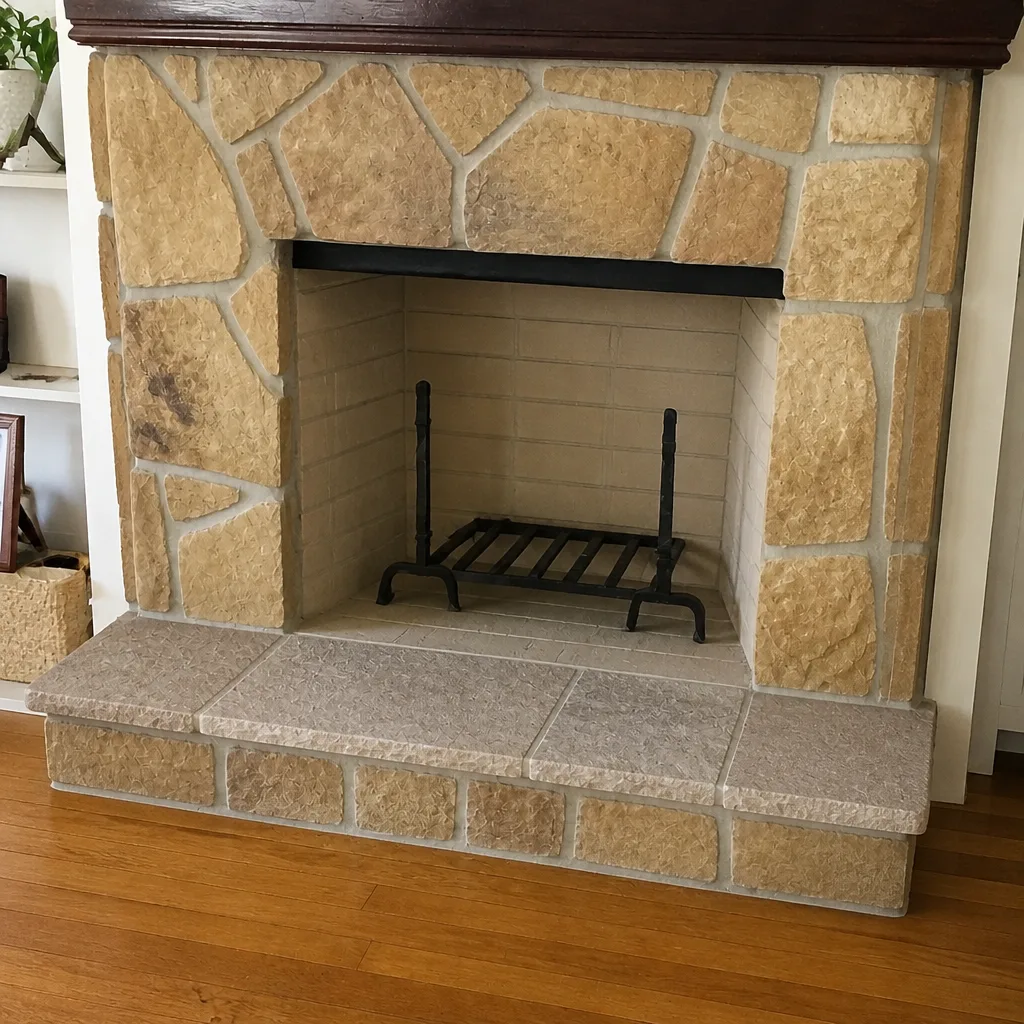 After
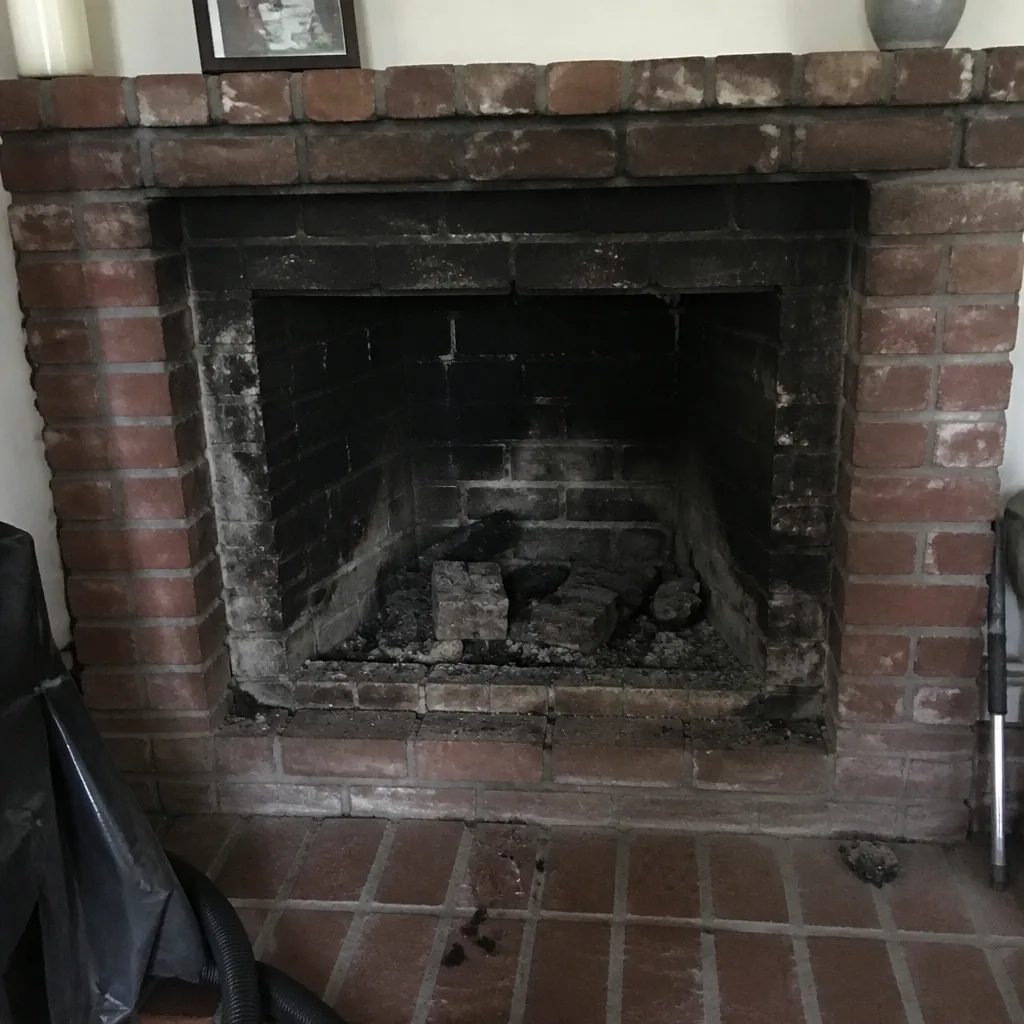 Before
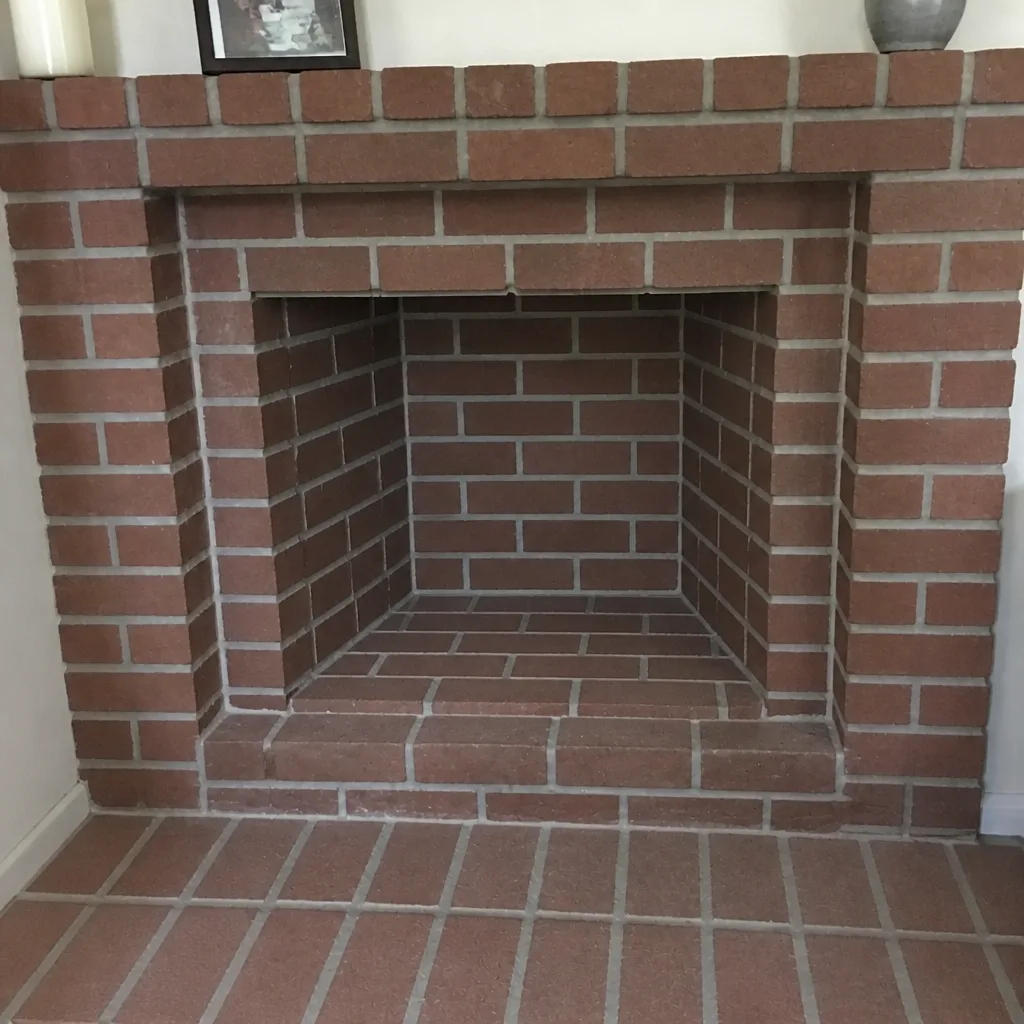 After