
Last updated November 25, 2026
 Sweep & inspection
 Caps & crowns
 Flue relining
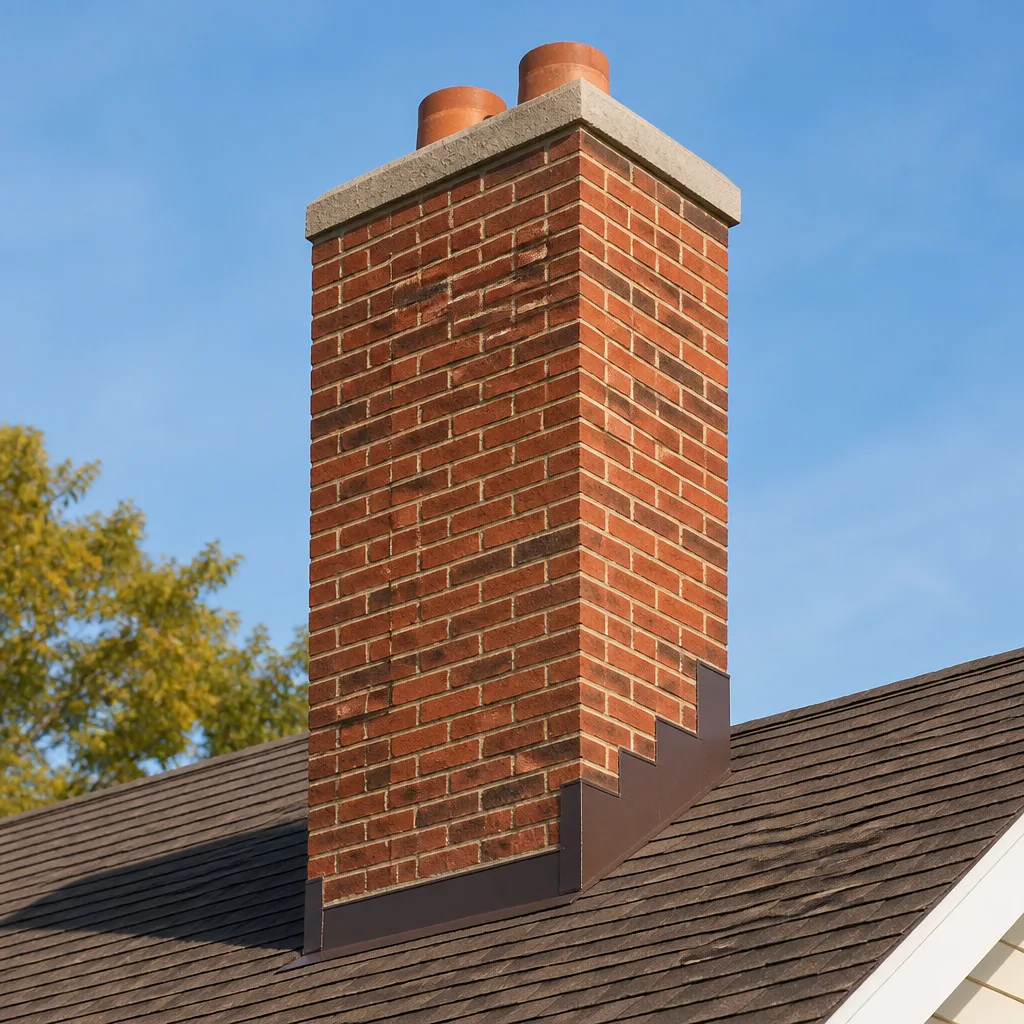 Masonry repair
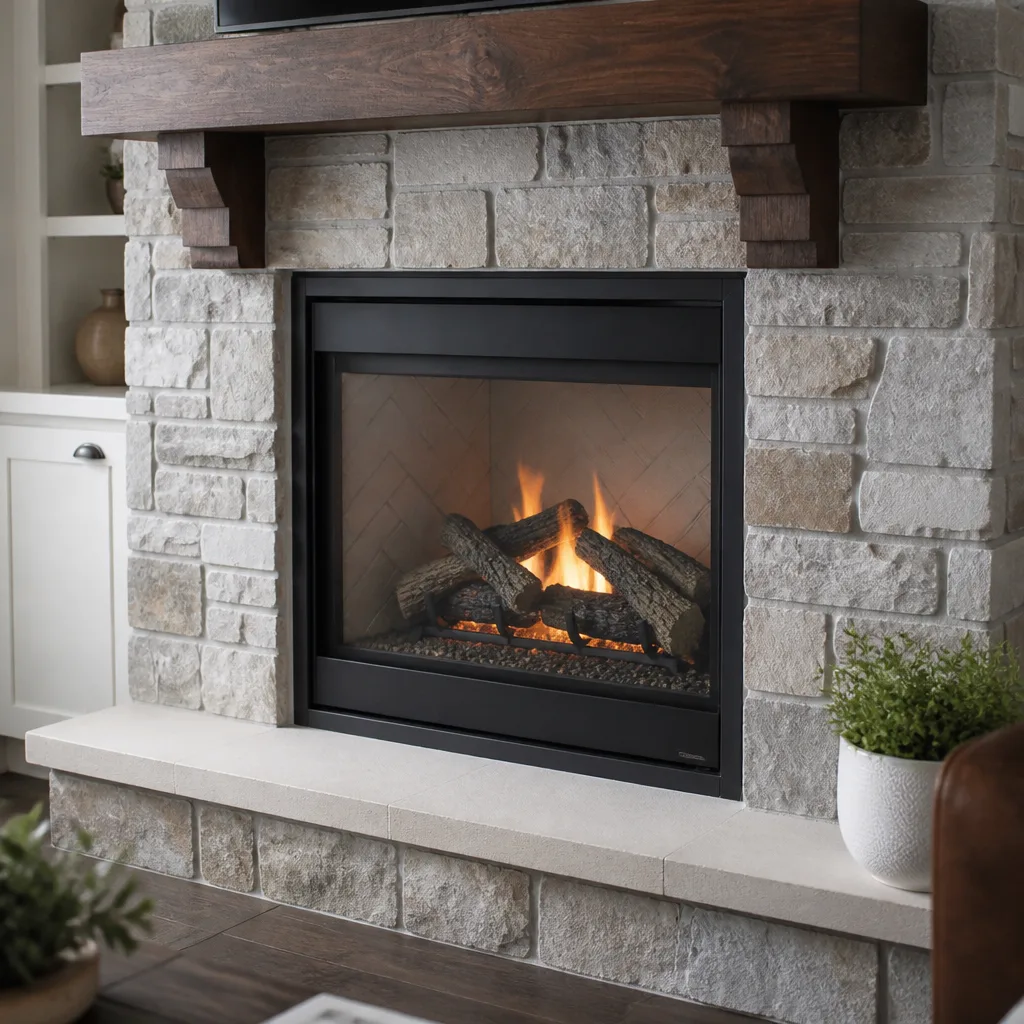 Gas fireplace service
Level 1 sweep and inspection to the NFPA 211 annual standard - flue, crown, cap, and flashing checked and photographed
Chimney sweep logs do not sweep chimneys. They loosen some creosote - which then falls where a brush and vacuum still have to collect it.
Chimney Cleaning Warning Signs: An Orange Homeowner’s Reference Guide
Most chimney warning signs get noticed at the wrong end of the timeline. Smoke curling back into the room, a sharp creosote smell, a fire that won’t draw – by the time those show up, the problem has usually been building quietly for several seasons. What actually catches trouble early are the small things: a chalky stain on the brick you walk past every day, a few specks of black dust on the smoke shelf, a rust line on the damper plate. This guide works from the earliest cues to the most urgent, so you can tell the difference between “keep an eye on it” and “stop using the fireplace today.” It’s written from Orange, with the specific conditions our local homes deal with in mind.
Quick Answer
The earliest chimney warning signs are exterior: white salt staining (efflorescence) on the brick, brick faces flaking off (spalling), hairline cracks in the crown, and gaps where the flashing meets the roofline. Interior early signals include rust streaking on the damper plate, fine black dust on the smoke shelf, and crumbling mortar at firebox joints. Late-stage signs – backdrafting smoke, acrid smells, a fire that won’t draw – mean the chimney has been telling you something for a while and it’s time to stop using it and get an inspection.
Styles & brands we work with
- Sweep & inspection
- Caps & crowns
- Flue relining
- Masonry repair
- Gas fireplace service
Table of Contents
- Why Most Warning Signs Are Already Late
- Exterior Warning Signs You Can See From the Ground
- Interior Early-Warning Signals: Firebox and Damper
- What Your Fireplace’s Smell Tells You When It’s Not Burning
- Draft and Performance Symptoms That Point to Structure
- Stop-Use-Now vs. Schedule-Soon: A Decision Framework
- Seasonal Timing for Orange Homes
- What Actually Happens During a Sweep and Inspection
Why Most Warning Signs Are Already Late
The classic list of chimney trouble – smoky room, bad smell, sluggish fire – describes symptoms of a problem that’s already developed. A blocked flue doesn’t block in a day. A cracked crown doesn’t split in a single storm. Creosote builds in thin layers over many fires, and a flue liner glaze forms over repeated use at the wrong temperature. The signs most people recognize tend to be the ones that appear after several unattended seasons.
That gap between the first small clue and the obvious symptom is where routine visual checks earn their keep. The chimney is a system that fails slowly, and failure moves from the outside in. Water gets into the masonry through a cracked crown or a failed flashing seal. That moisture works its way through the brick, corrodes the damper and firebox metal, softens mortar joints, and degrades the flue. Each of those stages has a visible sign, and each sign is easier to address than the next one. Catch the crown crack and you reseal a crown. Miss it for a few rainy seasons and you’re looking at a masonry rebuild.
In our experience, homeowners who learn the early indicators – the ones that show up on a routine walk around the house – tend to catch problems when the fix is still small. That’s the whole point of this reference. It’s organized from earliest cue to most urgent, so when you spot something, you know where it sits on the timeline. One repair path to understand up front: our chimney repair work includes crown and flashing fixes, which are usually the first exterior items worth addressing.
Exterior Warning Signs You Can See From the Ground
Stand at the base of the chimney, look up, and scan slowly. Then walk to where the roofline meets the chimney and look at the flashing. Then step back far enough to see the whole stack against the sky. Those three angles catch most of the exterior clues, and none of them require getting on the roof. Leave the roof itself to a professional.
What to look for
- Efflorescence (white salt staining): A chalky white haze on the brick. Early stage is a faint powdery film you can wipe away with a dry brush; the salt usually returns within weeks. Advanced stage is a thick, crusty, almost paint-like bloom that won’t brush off. Efflorescence means moisture is passing through the masonry, so the salt is the symptom and water is the cause.
- Spalling brick faces: The face of the brick flakes off, leaving a rough, pitted surface. Early stage is a few bricks near the top or on the weather side losing thin layers. Advanced stage is chunks of brick face sitting on the roof or in the yard below, with sharp, exposed brick cores. Spalling usually follows years of unaddressed moisture and freeze-freeze damage isn’t a big factor here, so the driver is water intrusion plus age.
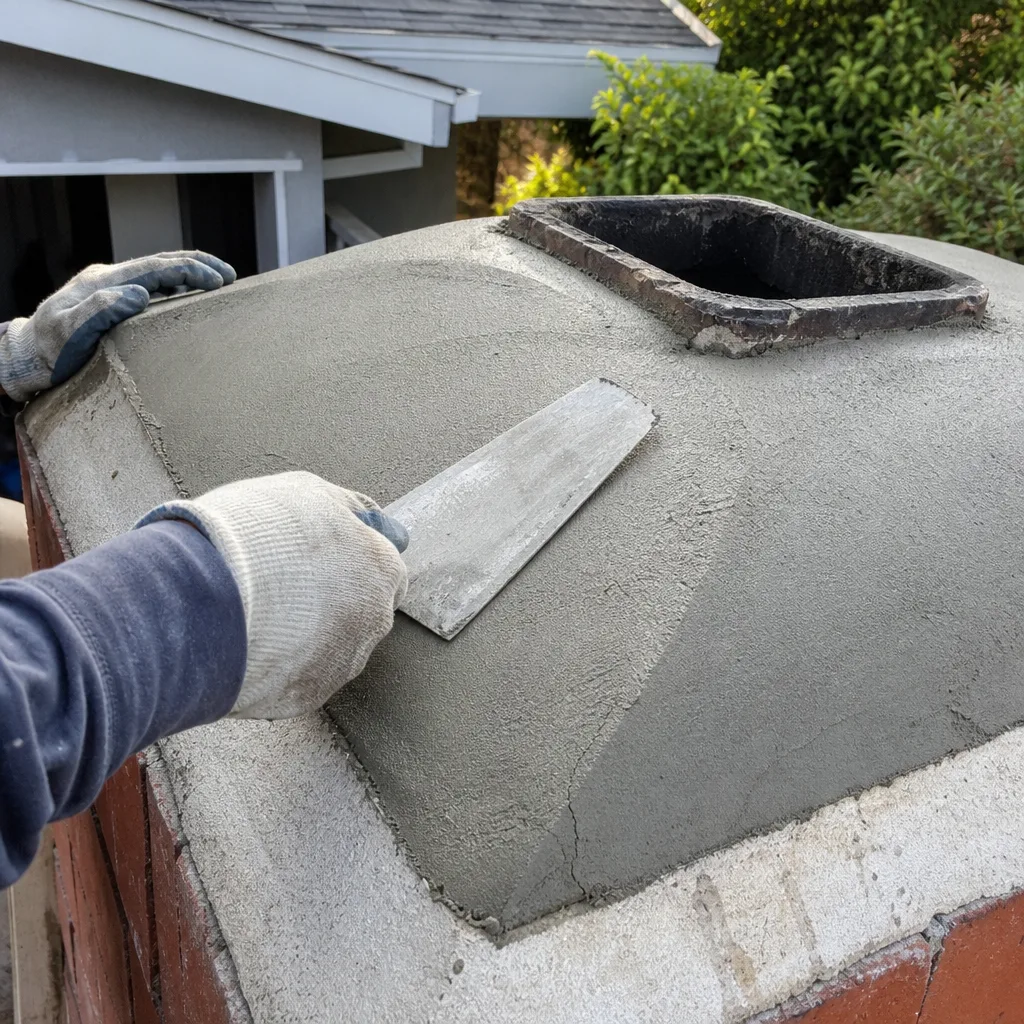
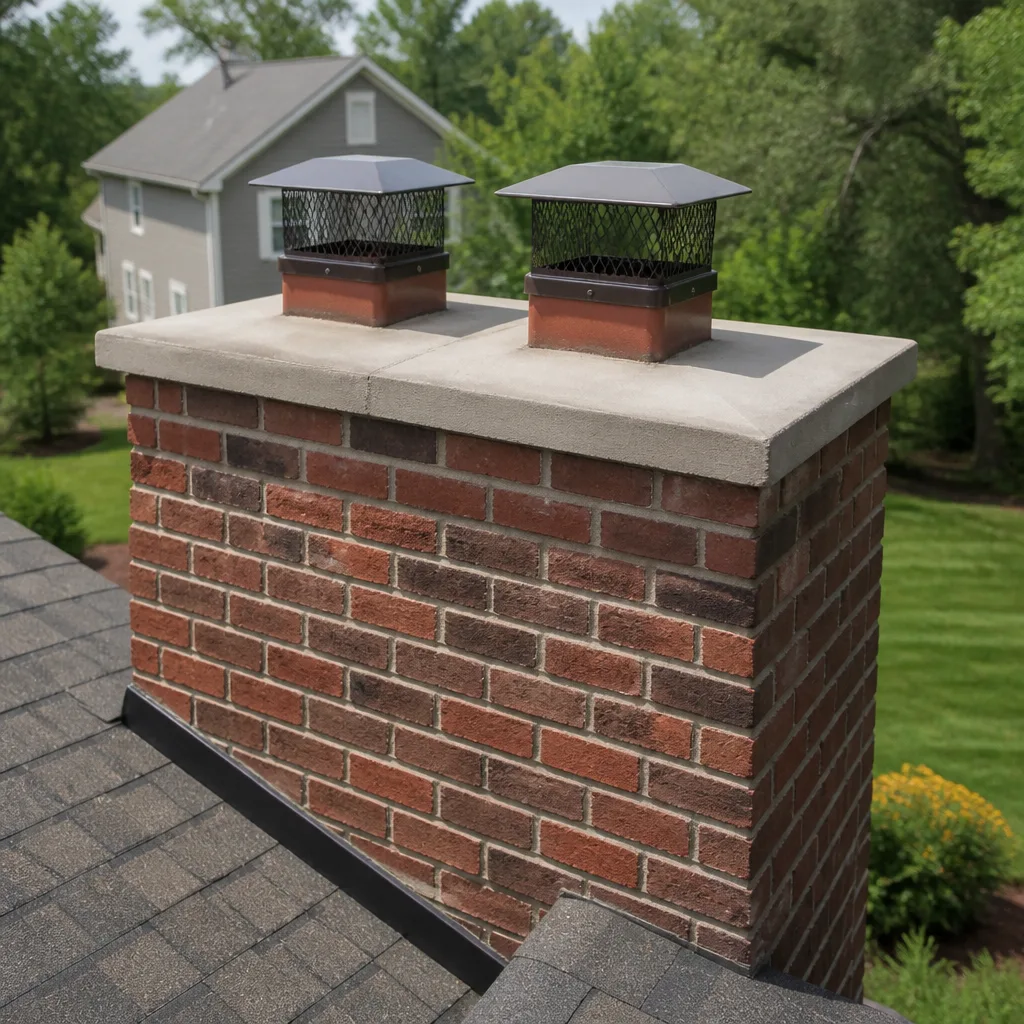
- Crown cracking: The crown is the sloped concrete cap at the very top of the masonry. Early stage is a hairline crack you can see from the ground with a slow sweep of the eye, often across the widest part of the slope. Advanced stage is a crack wide enough to hold a coin, a loosened crown edge, or a visible separation where crown meets brick. A cracked crown is the single most common entry point for water on the roof.
- Flashing gaps: The metal or membrane where the chimney meets the roof. Early stage is curling edges, a lifted seam, or a visible gap at the top edge against the masonry. Advanced stage is pulled-away flashing with stained roof sheathing or ceiling stains below. Orange’s rainy season does plenty of water testing, so a gap usually announces itself the first winter you leave it alone.
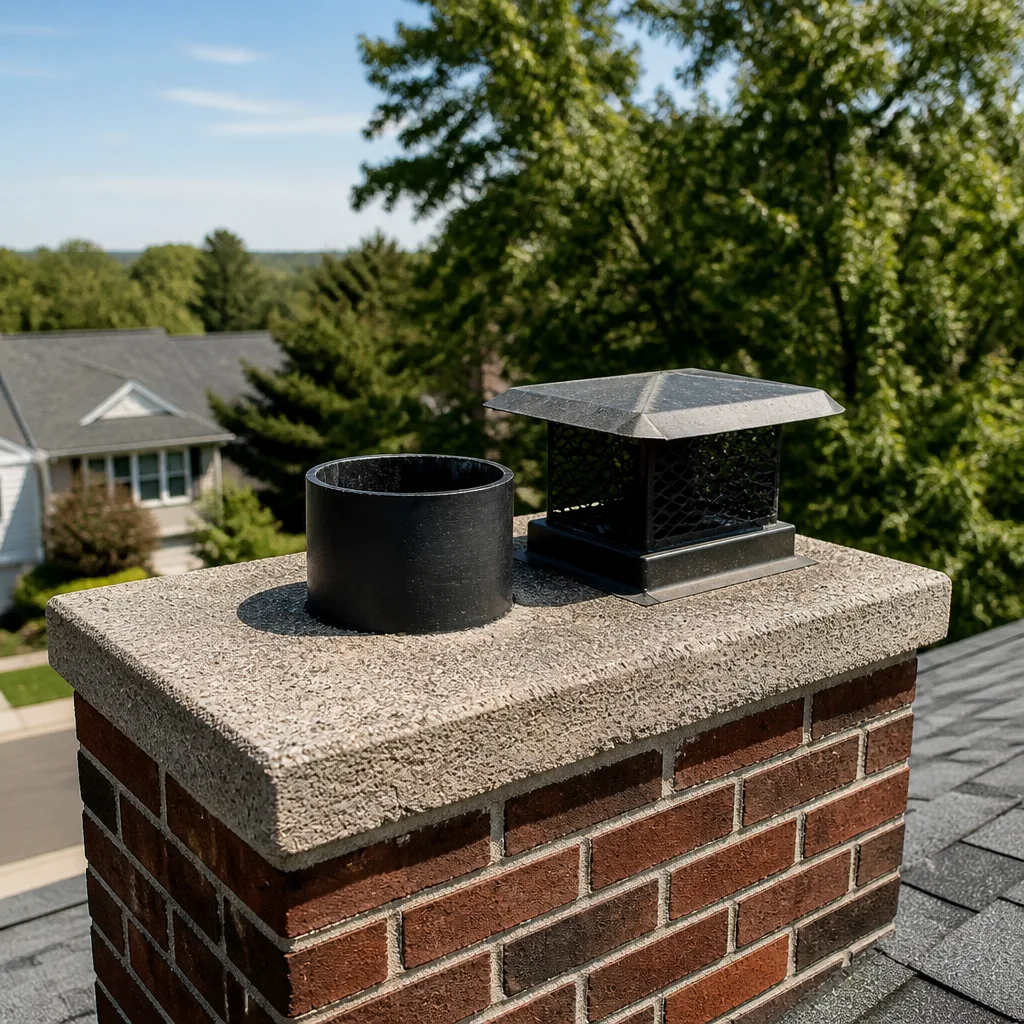
Caps and crowns are the waterproofing layer most homeowners never think about, and they do more to protect the masonry investment than any other part of the exterior. Cap and crown work is one of our five core services for exactly that reason. If the crown is already cracked wide, product knowledge matters. Gelco and Copperfield crown sealants and repair products are the kinds of professional-grade materials that hold up on a sloped crown in Southern California sun.
Interior Early-Warning Signals: Firebox and Damper
Open the doors, look into the firebox with a flashlight, then look up at the damper and smoke shelf. Most of the early interior clues live in those two spots, and they’re the ones a homeowner can spot during a routine check without touching anything they shouldn’t.
The three signals to know
- Rust streaking on the damper plate: Look for orange-brown trails running down the metal damper plate or along the frame. A little surface rust on the handle is normal; streaking on the plate itself suggests moisture is condensing in the flue and dripping down, which usually traces back to an exterior water problem. Early stage is thin streaking. Advanced stage is flaking rust with pitting on the plate.
- Fine black dust on the smoke shelf: Shine the light up onto the shelf just behind the damper. A light dusting of soot is expected. A buildup of fine black flakes and dust that falls onto the shelf or drifts down is a sign of flue liner or mortar deterioration above, and it can also point to a partial blockage. Early stage is a few flakes. Advanced stage is a visible layer of debris collected on the shelf.
- Crumbling mortar at firebox joints: Trace the mortar lines between the firebrick with your eyes, not your fingers. Early stage is dark, sandy, or recessed joints in the upper corners and along the back wall. Advanced stage is mortar missing to depth, loose brick, or bright cracks between the firebox and the face brick. Firebox mortar is on the hot side of the system, so anything more than cosmetic should be looked at by a professional.
A chimney is a system from the firebox to the cap, and a problem you see in the firebox often traces to something outside. Our fireplace repair work starts with a camera inspection and a photo report so you can see the actual condition of the firebox and flue yourself, not just take a description on faith.
What Your Fireplace’s Smell Tells You When It’s Not Burning
A cold fireplace should smell like nothing, or faintly like old ash. Any smell that’s strong enough to notice from the next room is a signal, and the type of smell narrows down the cause. This is one place where the nose outperforms the eye.
Three smells and what they point to
- Musty: Damp, earthy, like a closed basement. This points to moisture intrusion, almost always through the crown, the flashing, or the top of the flue. Musty smell plus visible efflorescence on the exterior is a strong pairing – the nose and the eye are telling you the same story.
- Sharp, acrid, chemical: A burning, throat-catching smell in a fireplace that isn’t running. This points to active creosote on the flue walls. Creosote has a distinct sharpness, and when the fireplace is cold, changes in air pressure can pull that smell down into the room. Active creosote is the leading cause of chimney fires, and a sweep removes it before it ignites. That’s the core job of a chimney sweep.
- Sulfurous, animal, or obviously bird-related: A trapped-animal smell, or signs of nesting material. This points to an animal presence or a blocked flue, usually at the top of the stack. A proper chimney cap prevents this outcome, which is why we put cap work alongside cleaning and repairs as a preventive service rather than an add-on.
If a strong smell appears suddenly and your smoke and carbon monoxide alarms are working, trust the alarms first and get everyone out before you investigate. A cold fireplace that smells sharply with no fire is not a smell to ride out until the next cleaning.
Draft and Performance Symptoms That Point to Structure
Draft problems are the symptoms that most often get blamed on user error – “I used the wrong wood,” “I didn’t warm the flue enough.” Sometimes that’s true. The pattern is the tell. A draft issue that depends on the weather, the fire’s age, or the presence of other exhaust fans in the house usually points to a structural or blockage problem, not technique.
The patterns worth writing down
- Backdrafting on cold days but not warm days: A chimney that only misbehaves when it’s coldest usually has a stack temperature or pressure issue at the top. A short flue, a damaged flue cap, or a flue that’s too large for the firebox all behave this way. Warm-day backdrafting is less common and often points to a blockage or a competing exhaust source.
- Smoke that curls toward one side of the firebox: A general room-filling puff is a draft problem. Smoke that consistently drifts toward one wall of the opening points to an interior obstruction or a damaged flue tile on that side. Early stage is occasional and brief; advanced stage is every fire, every time.
- Flames that lift, dance, or flatten: A healthy fire stands up. Flames that seem to lift toward the damper, or flatten and get pushed to one side, are telling you the pressure balance in the firebox is off. That’s usually a sign of a blocked or restricted flue, not fuel.
- Smoke smell in the room after the fire is out: The chimney has an active stack effect even after the fire dies. A cold, sharp smell in a room with the firebox banked is a sign the flue isn’t drafting cleanly, which often traces to a structural problem above.
Any of those patterns is reason enough to book an inspection. Because inspections are a core service for us, not an upsell, we run one on every visit. Skipping that step isn’t how professionals work. The camera inspection and the photos in your report do two things for you: they confirm the cause, and they give you a visual record so you can decide what to do next with confidence.
Stop-Use-Now vs. Schedule-Soon: A Decision Framework
The worst outcome of a warning sign is a homeowner stuck between guessing at urgency and guessing at cost. Here’s how to sort what you’re seeing into two piles. This is a framework for deciding how fast to act, not a diagnostic – a professional camera inspection makes the actual call.
Stop using the fireplace now, and call for an inspection
- A sharp, acrid smell in a cold fireplace. Strong evidence of active creosote on the flue walls, which is the leading cause of chimney fires.
- Carbon monoxide alarms sounding, or sudden symptoms like headaches and nausea when the fireplace is in use. Leave the house first, then call. This is a carbon monoxide event, not a draft problem.
- Visible soot or smoke stains on the face brick above the opening. Points to a partial blockage or a flue that has lost its liner integrity.
- Brick faces falling onto the roof or yard. Spalling that advanced usually means broken pieces have dropped inside the flue, and sometimes those pieces are still in the flue.
- Loose firebrick or visible cracks between the firebox and the face brick. The firebox is the hottest part of the system and a compromised joint can let heat through to surrounding structure.
- Smoke that fills the room on every fire, regardless of conditions. Not a user problem at that point.
Schedule an inspection soon (within the current season)
- Efflorescence appearing on exterior brick, especially in a rainy stretch.
- A few spalled brick faces on the top section of the stack.
- A hairline crack in the crown that hasn’t widened.
- Rust streaking on the damper plate without pitting.
- Fine black dust on the smoke shelf that returns after wiping.
- A musty smell in the firebox, with or without visible damp.
- Draft performance that changes with the weather but doesn’t fail.
If anything on the stop-now list applies, don’t light another fire until an inspection clears it. A chimney fire, or a carbon monoxide event, is a serious safety event rather than a maintenance inconvenience, and the trained professional you call for the inspection is the right person to make the call.
Seasonal Timing for Orange Homes
The timing question for Orange is different from cold-climate advice. Winters are mild, which means fires here run in bursts rather than months of steady use. That pattern changes the way creosote builds and the way moisture affects the chimney. A few long, cool evenings in a row followed by weeks without a fire give a light layer of creosote time to settle and cool between burns. The result is often more creosote accumulation per burn hour than a cold-climate homeowner would expect, because the flue stays cooler between fires.
The rainy season is the real moisture test. Orange’s wet months do more to reveal a cracked crown or a flashing gap than any other part of the year. That’s the season to walk around the base of the chimney and look up, and to check the ceiling near the chimney inside for signs of a leak. Ash that sits in the firebox over the wet months picks up ambient moisture, which is one reason a musty smell is easier to notice at the start of a new burning season than at the end of the last one.
The practical habit for an Orange homeowner: book a sweep before the burning season starts, run a visual check at the end of the rainy season, and inspect the exterior after any heavy rain. A sweep at the start of the season clears the creosote before it has a full season of fires to accumulate, and the camera inspection that comes with it catches the structural warning signs while the weather is still on your side. If you’re new to a home with a chimney, don’t assume the previous owner kept up with it. A first sweep gives you a baseline you can check against for years. For an overview of how the service works, this Orange Chimney Sweep Pros page covers the scope of what we do.
What Actually Happens During a Sweep and Inspection
A sweep is a two-part visit, and both parts are designed to give you information. The cleaning removes creosote and debris. The inspection tells you the condition of the system from the firebox to the cap. We book both at once because skipping the inspection is how the small warning signs stay small until they aren’t.
- Setup and protection. The work area gets sealed and protected before any equipment comes out. You’ll see drop cloths and a sealed opening.
- The sweep itself. Rotary brushes clear the flue, and the firebox and smoke shelf get cleaned. The goal is to remove creosote, not to make a fire look cleaner.
- Camera inspection. A camera goes up the flue and into the firebox so we can see the actual condition of the liner, the mortar joints, the damper, and the smoke shelf. What we find is what we write down.
- Exterior check. The crown, the flashing, the cap, and the brick faces at the top get checked, because these are where water gets in.
- Photo report and a written estimate if anything is needed. You get photos of what we saw, a clear explanation, and a flat-price estimate before any repair is agreed to. If a repair can safely wait, we tell you so.
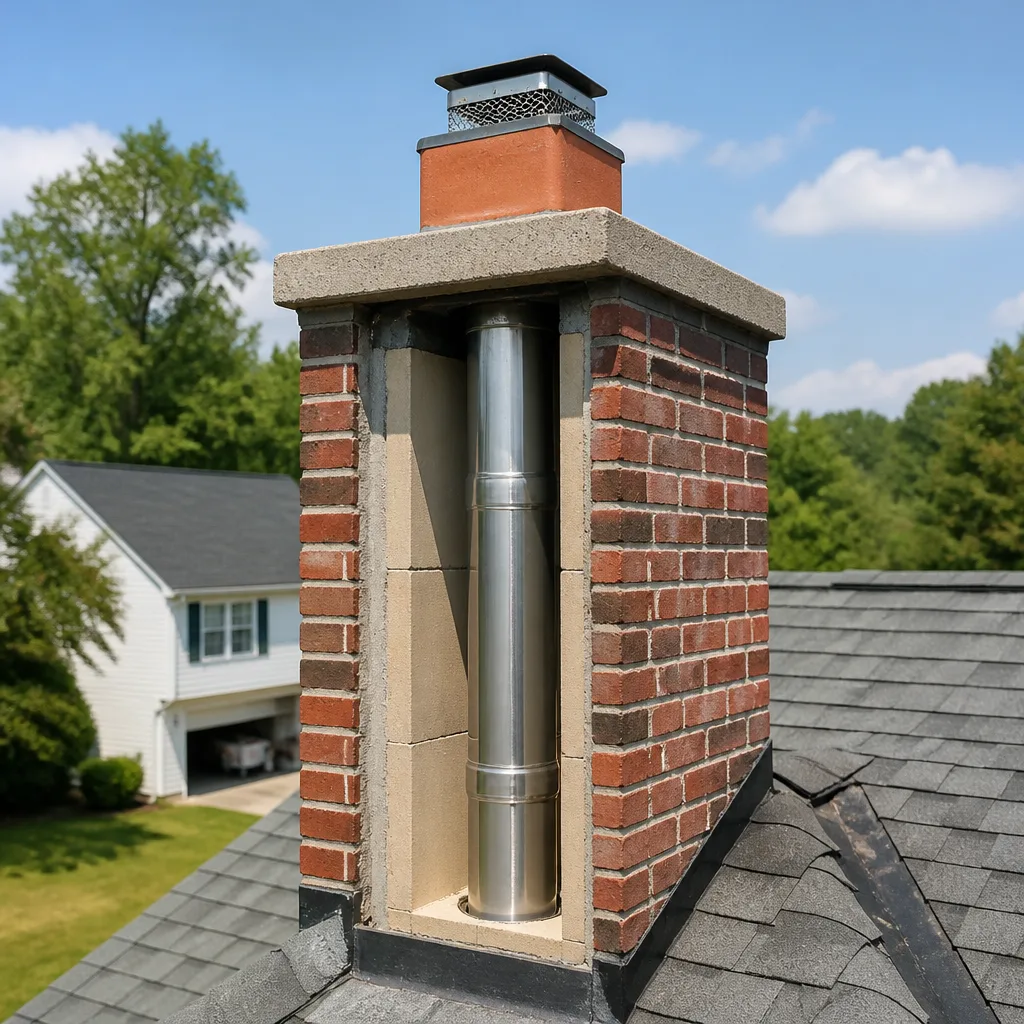
If the inspection turns up a damaged flue liner, the repair path matters. HeatShield resurfacing can often restore a damaged liner without a full replacement, which is a cost-effective option for liners that are still structurally sound. When a full reline is the right call, we install DuraFlex liner systems. Both are professional-grade products, and both are common paths for older Orange homes with masonry chimneys. Olympia Chimney and Famco components come into play in cap and flue work where the specific fit matters. You can see the full range of services on our site, and the page above has more detail on the structural side of repair work.
Common Mistakes to Avoid
- Assuming a mild winter means less creosote. In Orange, light, intermittent fires can build creosote faster per burn hour than a steady cold-climate schedule. Base the sweep on how much you burn, not on how cold it got.
- Painting over efflorescence. A coat of paint covers the salt stain and traps the moisture underneath, where it keeps working on the brick. Fix the water source and the stain stops returning.
- Ignoring a hairline crown crack because it’s small. The crack is small until the first serious rain finds it, then it’s a water intrusion problem that spreads to flashing, flue, and sometimes ceiling.
- Blaming draft problems on wet wood. If the backdrafting only happens on cold days or only in one part of the firebox, the pattern points to structure, not fuel. Test with well-seasoned wood and note the pattern before you decide.
- Wiping soot off the smoke shelf and calling it fixed. Black dust returning after a wipe is the chimney telling you it’s coming from above. Get it inspected.
- Skipping the camera inspection because the sweep looked fine. A clean flue is not the same as a sound flue. The liner, the mortar, and the firebox condition only show up on camera.
- Hiring separate contractors for the sweep and the repair. One team that can sweep, inspect, repair the firebox, repair the masonry, and handle the cap and crown means the findings from the inspection go straight into an estimate from the same company instead of getting handed off.
See the difference
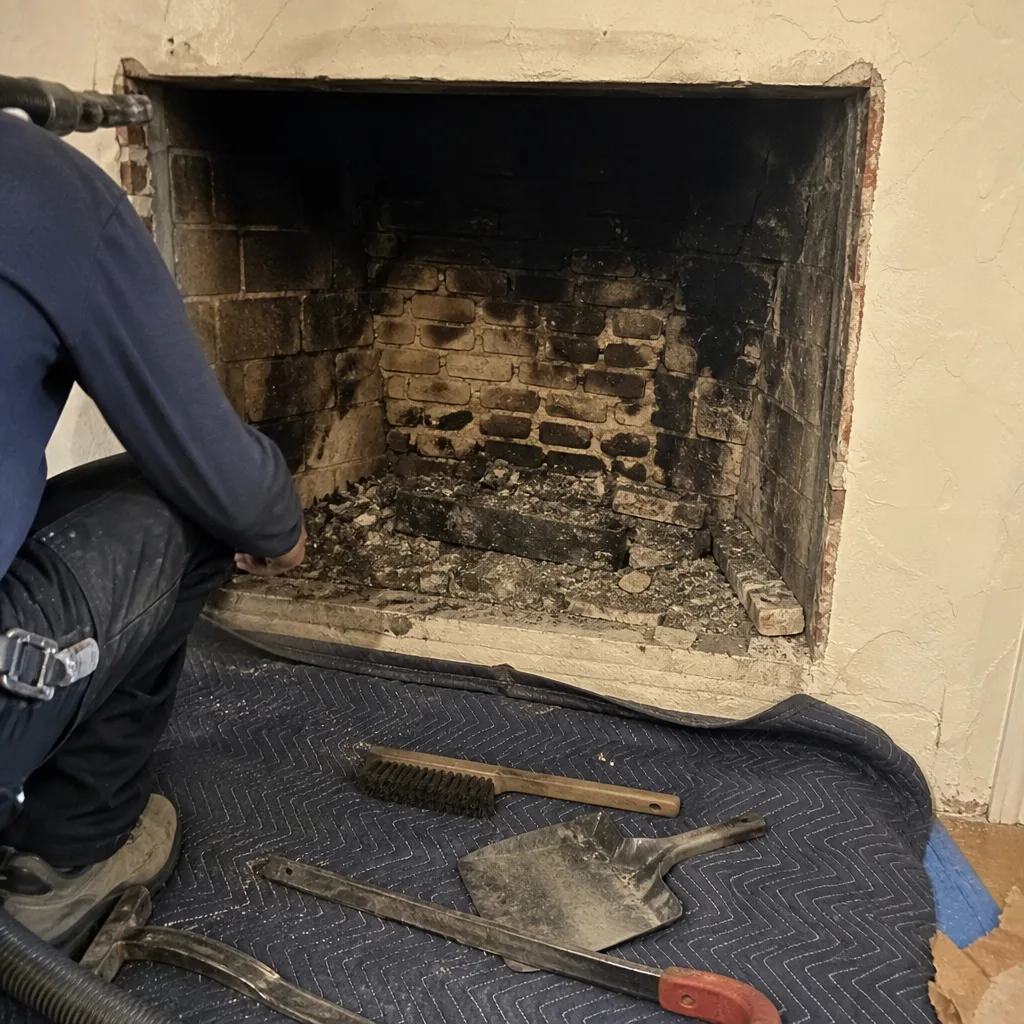 Before
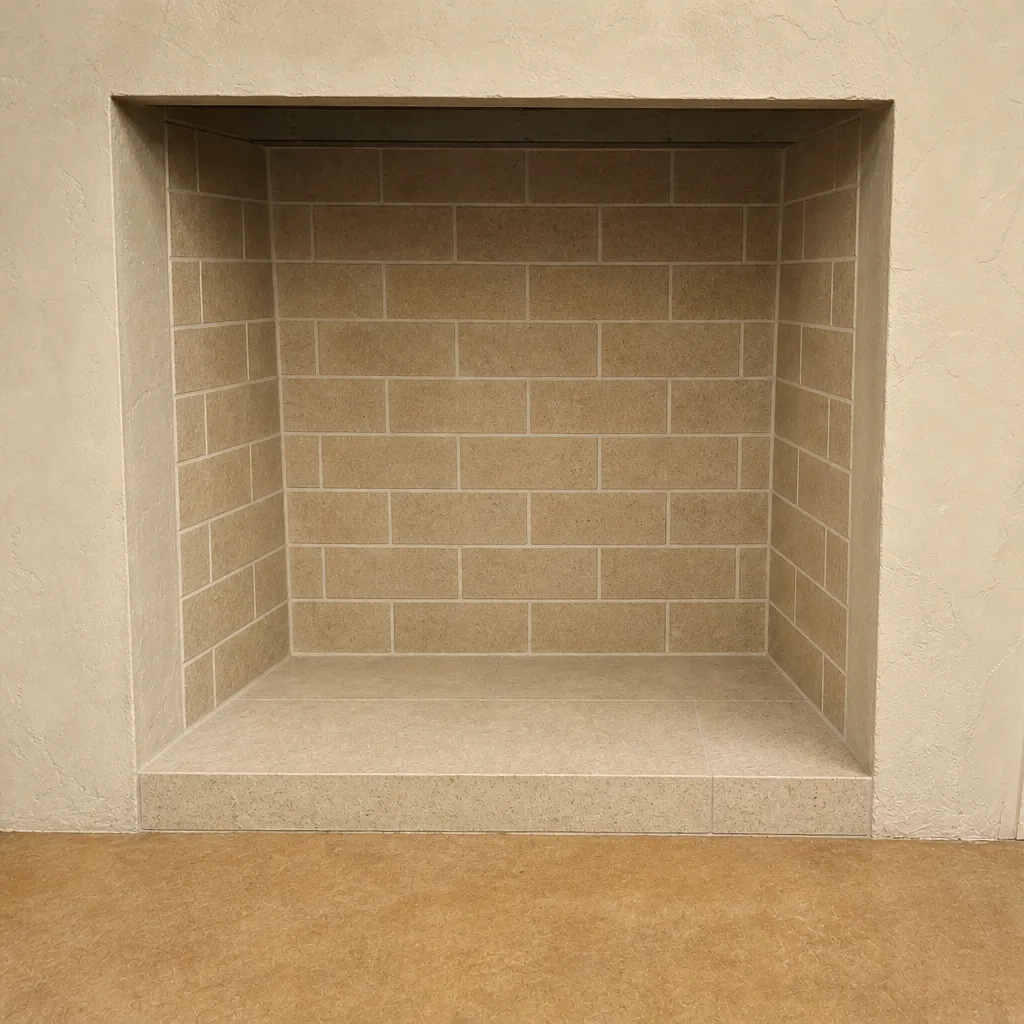 After
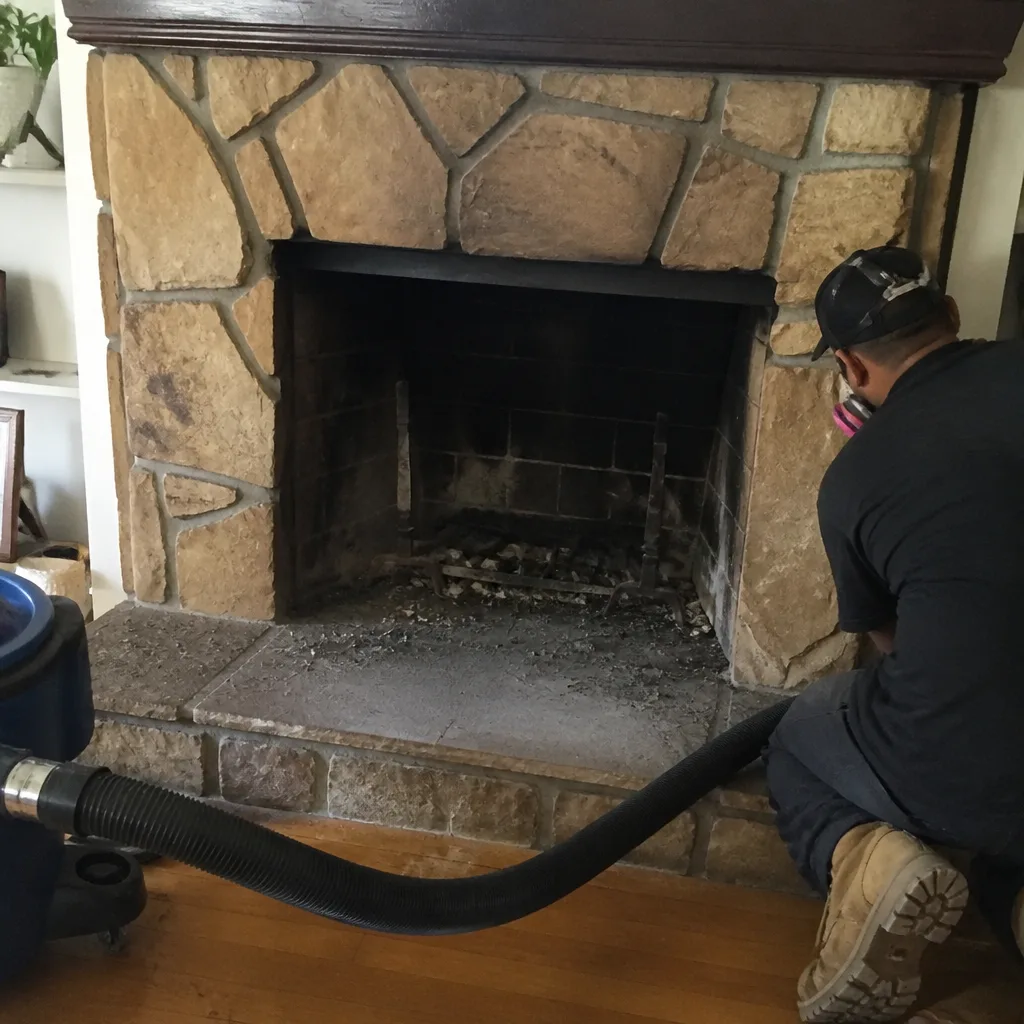 Before
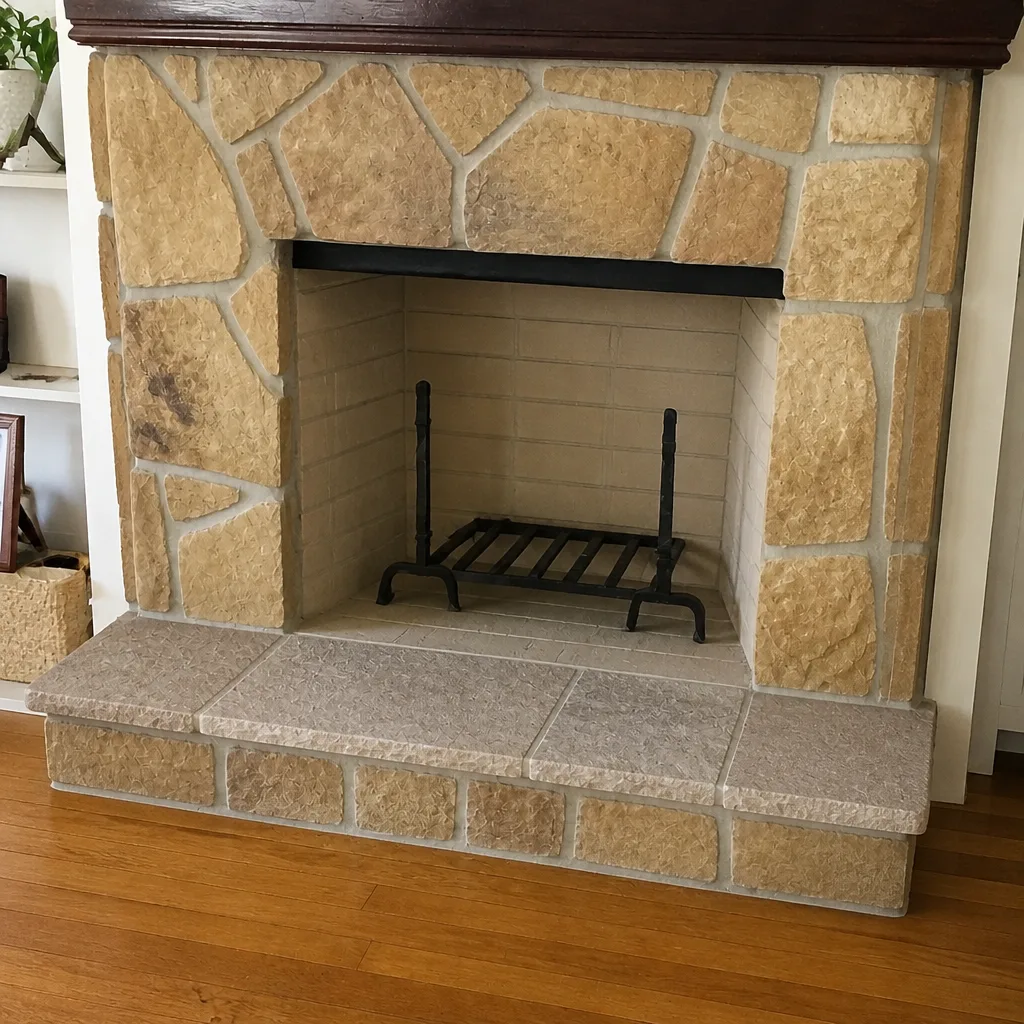 After
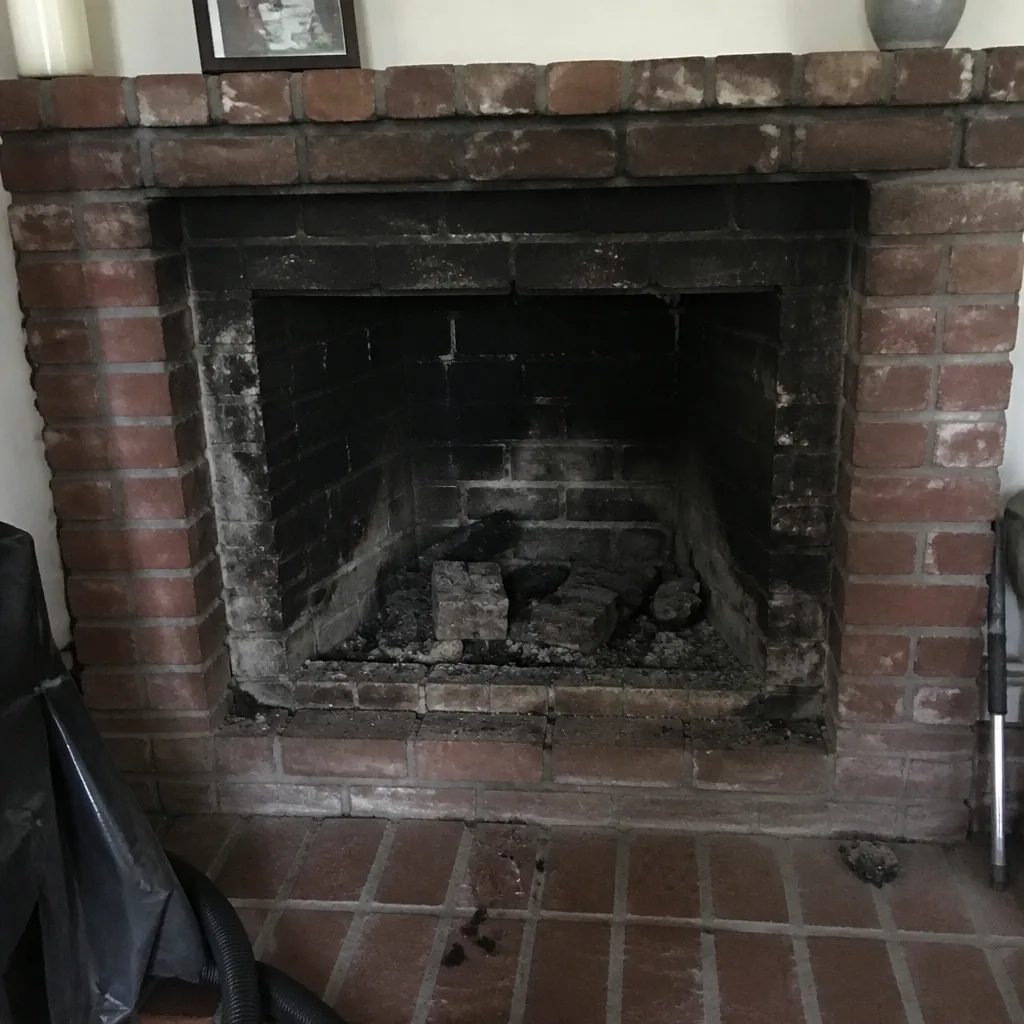 Before
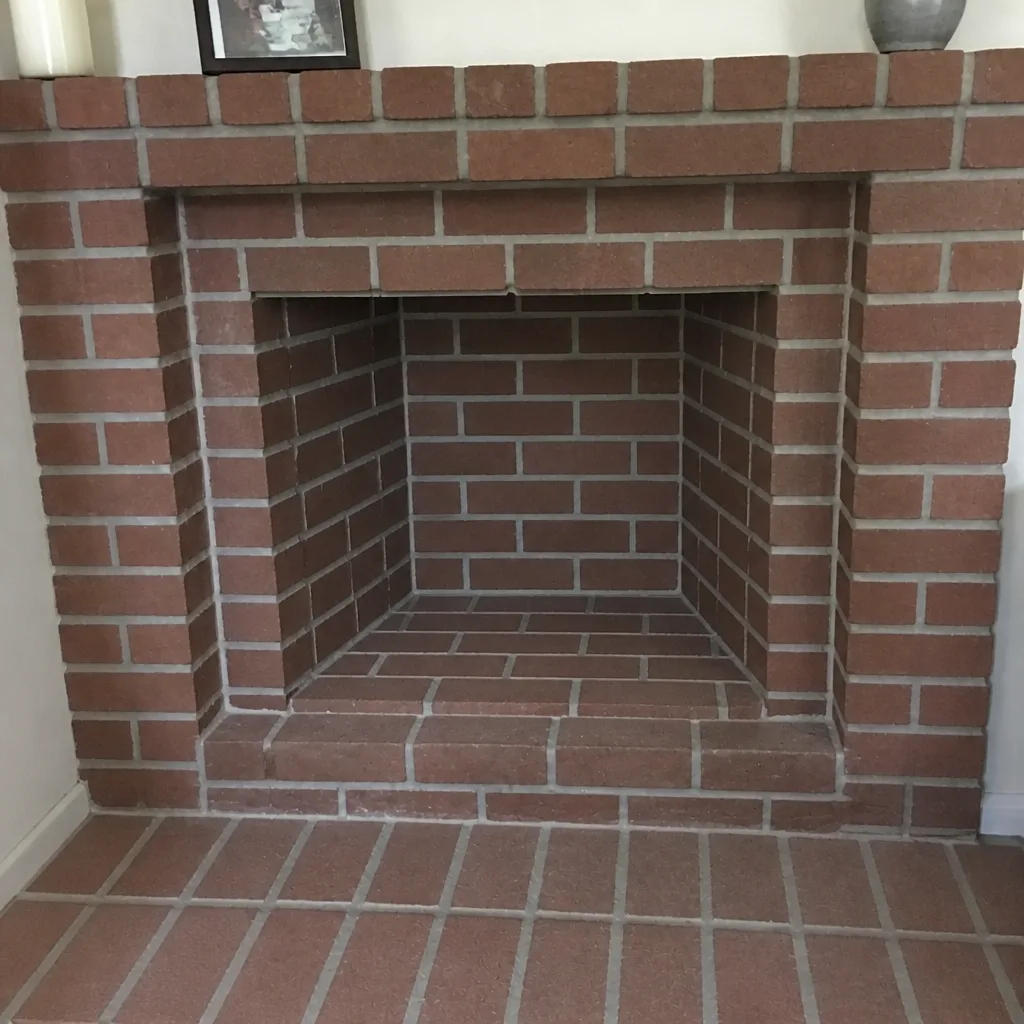 After
When to Call a Professional
Call a professional if any item on the stop-now list applies, if a musty or sharp smell has appeared in a fireplace that isn’t running, if soot or smoke staining shows on the face brick above the opening, or if the exterior shows any of the four water signs (efflorescence, spalling, crown cracking, flashing gaps). Also call if it’s been more than a season since the last sweep, or if you’ve never had one in a home you just bought. The trained professional on site is the only person who can confirm a flue’s condition – a visual check from the ground tells you something needs a look, not what the look will find. Orange Chimney Sweep Pros offers free estimates in Orange – call (877) 770-1853. We answer 24/7. Fast dispatch from 7am to 7pm, Sunday through Friday. Our technicians have up to 13 years of experience, and the price is set per job by the written estimate, so you know the number before any work is agreed to.
Frequently Asked Questions
A chimney should be swept at least once a year, or more often if you burn heavily – many homeowners in Orange book one sweep per burning season. The sweep should come with a camera inspection, because the inspection is what catches the early warning signs this guide has covered. Call (877) 770-1853 for an exact quote – estimates are free.
The most common early warning sign is efflorescence on the exterior brick, often paired with a hairline crown crack. Orange’s rainy season does the work of revealing both, and both point to the same root cause: water getting into masonry. Neither is urgent on its own, but the sooner the water source is fixed, the less of the chimney it reaches. Call (877) 770-1853 for an exact quote – estimates are free.
Yes. A sharp, acrid smell in a fireplace that isn’t burning is a warning sign of active creosote on the flue walls, and creosote is the leading cause of chimney fires. Stop using the fireplace and book an inspection rather than burning through it. Call (877) 770-1853 for an exact quote – estimates are free.
You can scrape the firebox, but you can’t safely clean the flue – that’s the part that requires a trained professional with the right tools – and cleaning doesn’t tell you whether the liner or mortar is failing. The inspection is the part that catches problems before they become repairs. Call (877) 770-1853 for an exact quote – estimates are free.
That depends on the camera inspection. HeatShield resurfacing can often restore a damaged liner without a full replacement, and it’s the cost-effective path when the liner is still structurally sound. If it isn’t, a DuraFlex liner system is the full reline option. The photo report shows you which is which. Call (877) 770-1853 for an exact quote – estimates are free.
Skipping a season doesn’t cause damage on its own, but a season with no inspection means the small warning signs go unnoticed, and problems that were a small fix can move up the repair list. Skipping for a few seasons with active burning is more serious, because creosote accumulation and water intrusion both build quietly and then fail at the same time. Call (877) 770-1853 for an exact quote – estimates are free.
The Bottom Line
The obvious chimney warning signs are the late-stage ones. The ones that matter for an Orange homeowner happen early: white salt staining on the brick, spalling faces, a hairline crown crack, a flashing gap, rust on the damper, black dust on the smoke shelf, or a musty or sharp smell in a cold fireplace. Learn the order from earliest to most urgent. Stop using the fireplace for anything on the stop-now list and book a camera inspection for anything on the schedule-soon list. A sweep clears the creosote. The inspection, done in the same visit, is what catches the structural cues before they turn into a repair. From the firebox to the cap, one team should be able to sweep it, inspect it, and repair what the inspection finds – which is the whole reason to book a company that does all of it. Call (877) 770-1853 for a free estimate. We answer 24/7. Fast dispatch from 7am to 7pm, Sunday through Friday.
Written by the team at Orange Chimney Sweep Pros.