
Last updated November 25, 2026
 Sweep & inspection
 Caps & crowns
 Flue relining
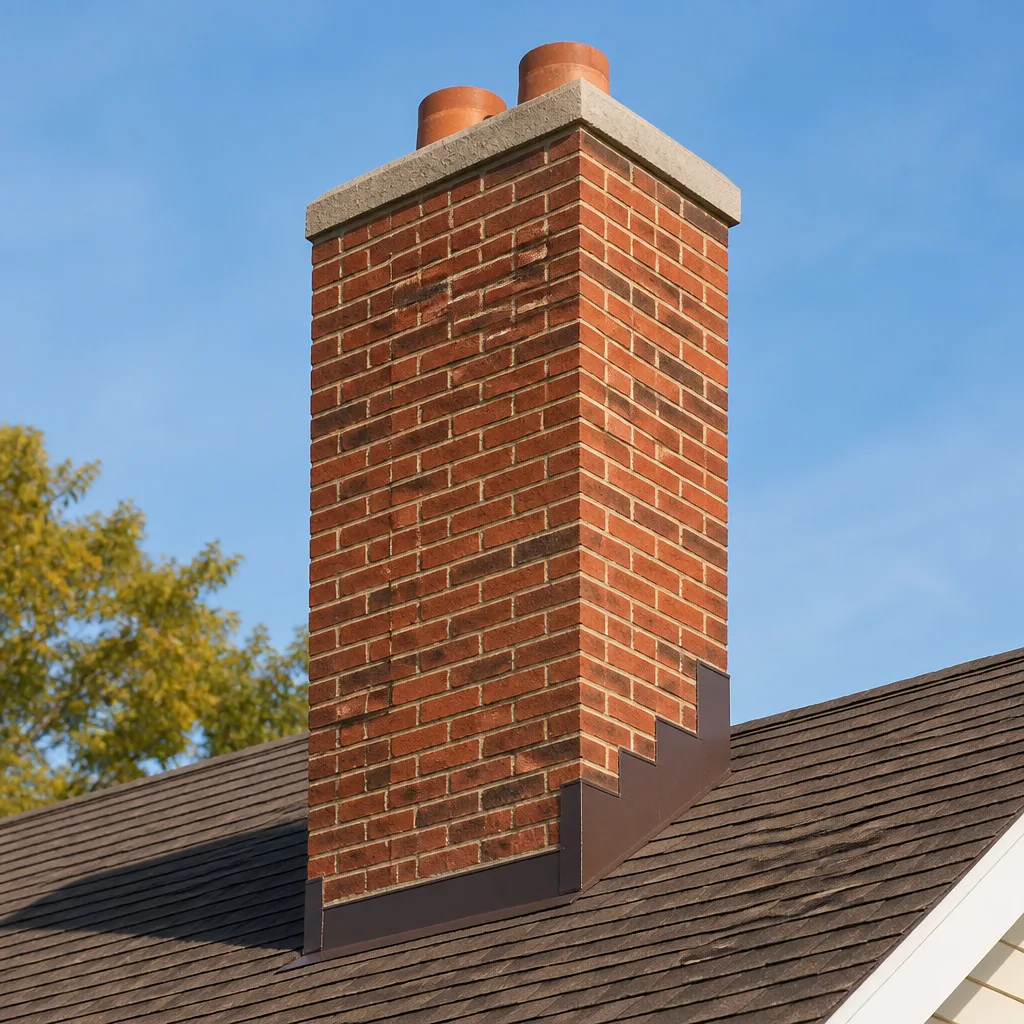 Masonry repair
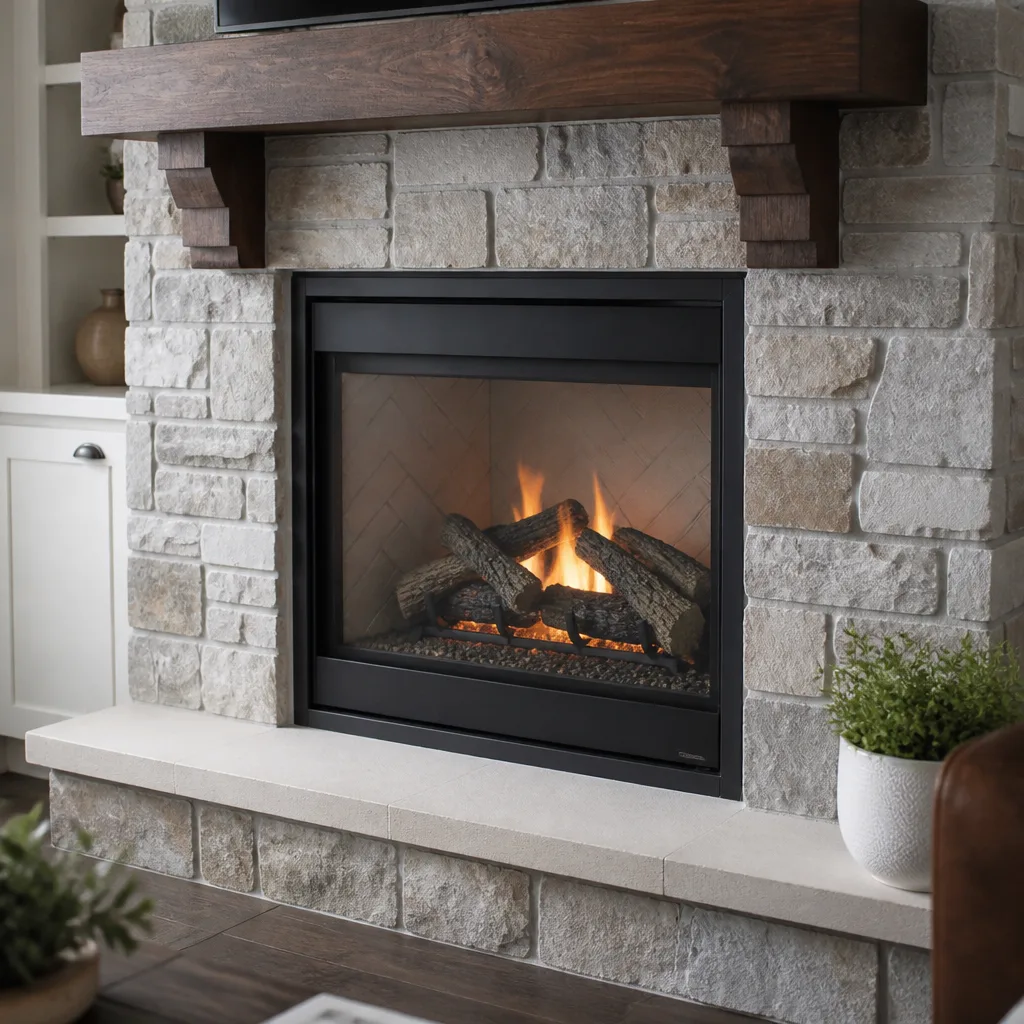 Gas fireplace service
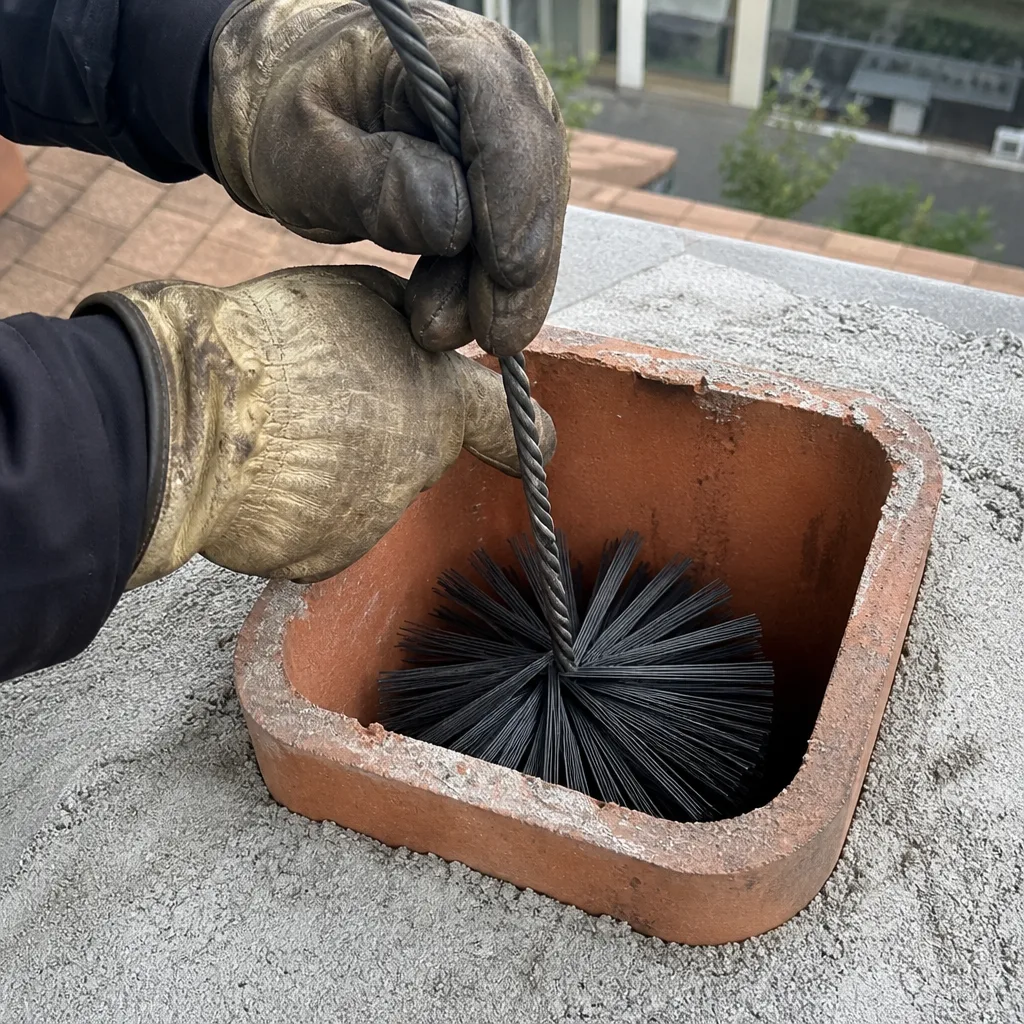
Level 1 sweep and inspection to the NFPA 211 annual standard - flue, crown, cap, and flashing checked and photographed
Chimney sweep logs do not sweep chimneys. They loosen some creosote - which then falls where a brush and vacuum still have to collect it.
Chimney Sweep Maintenance Checklist for Orange Homeowners
The item most often missed on an Orange chimney inspection isn’t creosote. It’s cracked crown sealant. Southern California’s summer sun bakes the mortar and sealant on top of a chimney far harder than a cold-climate winter ever will, and no national maintenance template treats that as a priority. Most checklists you’ll find online were written for snow, ice and freeze-thaw cycles that simply don’t happen here. This guide replaces them with a checklist calibrated to Orange: what actually degrades on a chimney in our climate, what you can check from the ground yourself, and what needs a professional instrument to catch. By the end you’ll have a calendar, a seasonal visual routine, and a clear line between self-monitoring and calling us.
Quick Answer
A chimney in Orange needs to be swept and inspected once a year, with a visual ground-level check of the crown, cap, flashing and brick twice a year, and a professional mortar joint inspection annually given Southern California’s earthquake activity. Thermal shock from our warm days and cool nights, UV damage to the crown and long summer dormancy are the real local wear factors, not freezing weather. Book a sweep and inspection before fire season starts, ideally in the fall.
Styles & brands we work with
- Sweep & inspection
- Caps & crowns
- Flue relining
- Masonry repair
- Gas fireplace service
Table of Contents
- Why Generic Chimney Checklists Miss the Mark in Orange
- Your Month-by-Month Maintenance Calendar
- The Ground-Level Visual Check: What to Look For Each Season
- Why Earthquake Activity Makes Annual Mortar Inspection Non-Negotiable
- The Interior Checklist: Damper, Smoke Shelf and Firebox
- What You Can Check Yourself vs. What Needs a Professional
- How a Professional Sweep and Inspection Actually Work
- When a Checklist Item Turns Into a Repair
Why Generic Chimney Checklists Miss the Mark in Orange
Search for a chimney maintenance checklist and you’ll get a document built around freezing. Ice dams, frost, frozen flue liners, snow load on the crown, water freezing inside cracks and prying them wider. All of that assumes a hard winter that doesn’t exist in Orange. Our winters are mild, our summers are dry and hot, and the failure patterns on a chimney here look nothing like the checklist you’d follow in the Midwest.
Here’s what actually happens to a chimney in our climate. Daytime temperatures in the upper 80s to low 90s shrink to cool nights, and the masonry with it. Mortar and brick expand and contract a little differently, and over years that stress shows up as hairline cracks in the mortar joints. The sealant over the crown, exposed to direct sun, dries and cracks within a couple of seasons. And because many Orange fireplaces sit unused through long stretches of summer, the chimney becomes a quiet place for spiders, birds and debris to settle in before you light the first fire in autumn.
Three common misconceptions are worth clearing up. First, that a chimney only needs attention if you use it a lot. A dormant chimney still weathers, still takes on moisture, and still draws pests. Second, that the chimney cap is decorative. It keeps water, birds and debris out of the flue, and its absence shows up as damage lower down. Third, that our mild weather means less maintenance. The sun, in fact, ages a crown faster here than cold weather does anywhere else.
We’re a chimney specialist who works from the firebox to the cap, so the checklist you’ll read below spans the entire system, not just the flue. Our technicians have up to 13 years of experience with exactly these conditions in Orange.
Your Month-by-Month Maintenance Calendar
A calendar built for our actual seasons is the backbone of this guide. Here’s how we’d schedule chimney care through a year in Orange. Pin this to the inside of a cabinet and let it tell you what to do and when.
- January and February – peak fire season. Burn dry, seasoned wood and keep an eye on the fire. Check your cap and crown from the ground once midseason. This is when creosote accumulates fastest, so don’t let a heavy month of fires run into spring unchecked.
- March – post-season check. Once you’ve stopped lighting fires, look up at the crown and brick, confirm the cap is intact, and note any efflorescence (more on that below). This is also the best time to book your annual inspection if you skipped fall, before the summer heat sets in.
- April and May – pre-summer repair window. If a repair was flagged during your post-season check, spring is a sensible time to do it. Getting mortar and crown work done ahead of the summer sun means the repair has time to cure before it takes the worst of the exposure.
- June, July and August – dormancy protection. These are the months most mantels go dark. During dormancy the chimney remains exposed to ultraviolet light and heat while the firebox sits unused, which is exactly when pests find their way in through a missing or damaged cap. A quick mid-summer visual is worth the two minutes.
- September and October – pre-fire-season prep. This is the big one. Book your sweep and inspection before the first fire of the season. Creosote that built up over the previous winter sits in the flue all summer, and getting it out before you light a fresh fire is the single most useful piece of annual maintenance. October is when we most want to see an occupied chimney.
- November and December – first-fires routine. Confirm the damper opens and closes cleanly, that you can smell nothing unusual from the firebox, and that the cap and crown are still intact from the last ground check. Then light a small test fire before a full one.
The calendar has two anchors for a reason: a post-season check in March and pre-fire-season preparation in the fall. Everything else is a light visual touch in between. If your chimney has a gas appliance or a gas fireplace, the calendar tightens slightly, and the annual inspection does more of the work than the sweep. For a dedicated cleaning, our chimney sweep covers the creosote side of this routine from top to bottom.
The Ground-Level Visual Check: What to Look For Each Season
You don’t need a ladder to spot a lot of trouble. A careful look from the ground, once each season, catches four specific things. This is the part of the checklist most homeowners in Orange can do without any tools beyond a pair of eyes, and it’s where the crown shows up first.
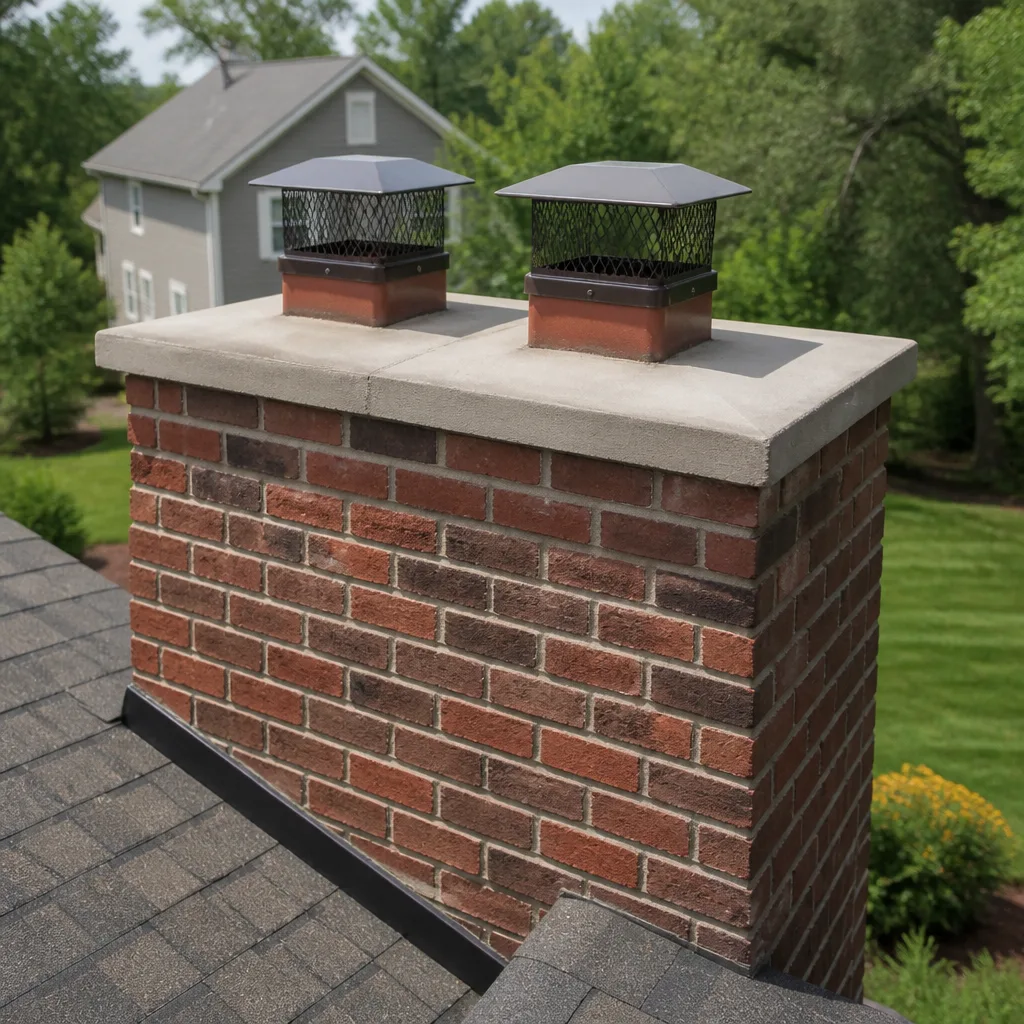
- The crown. The crown is the sloped concrete or mortar cap at the very top of the chimney. Look for cracks, crumbling edges, or sealant that has dried and separated. In our climate this is the number one visually detectable problem, because the sun attacks crown sealant faster than cold ever does. A cracked crown lets water into the flue structure below.
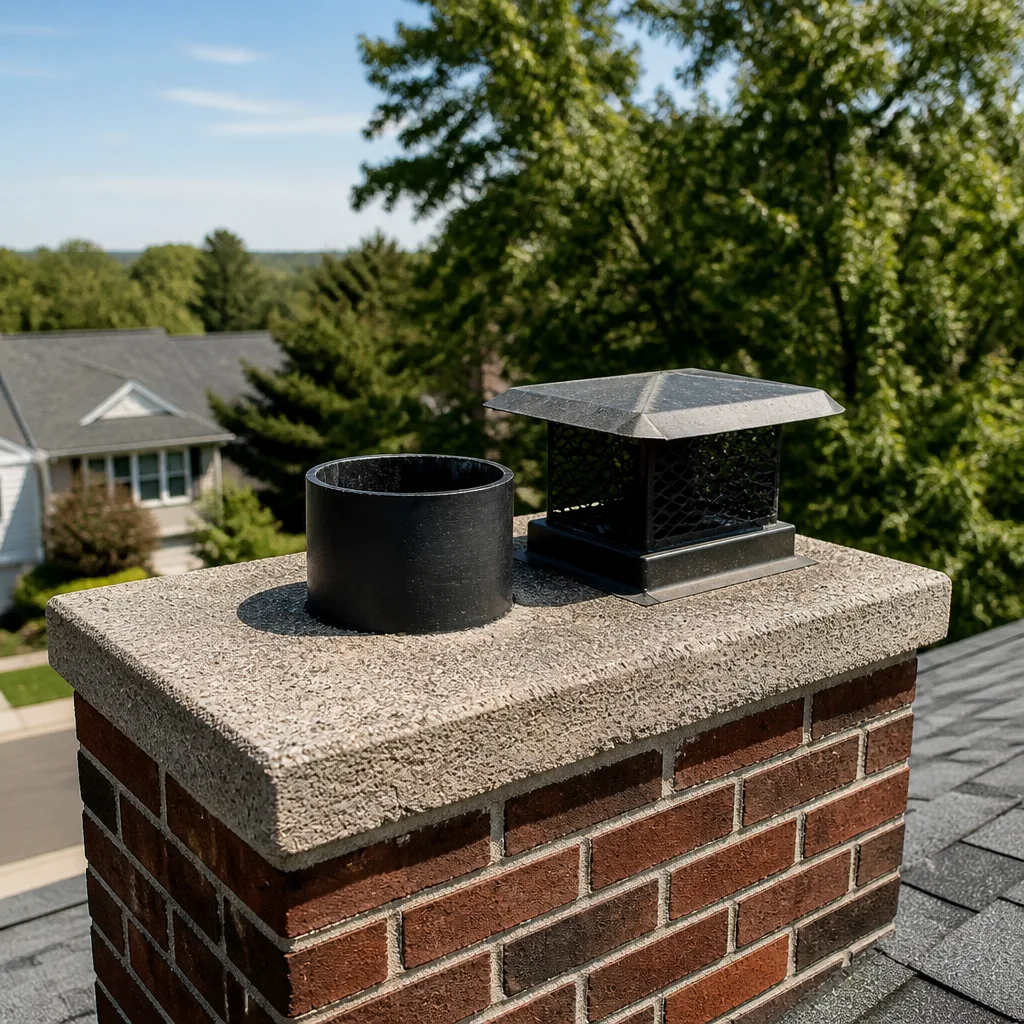
- The chimney cap. A cap is the metal or concrete cover over the flue opening itself. Confirm it’s present, sitting flat and not visibly damaged or loose. A missing or damaged cap is why you find leaves, bird nests and spider activity in a chimney that hasn’t been used in months. Cap and crown work is a routine part of the maintenance picture, not a luxury.
- Efflorescence on the brick. Efflorescence is the white, powdery staining on brick or masonry. It means moisture is moving through the masonry, and it can signal a flashing or crown problem letting water in. If you see it, it’s worth a professional look rather than a scrub and forget.
- Flashing separation. The flashing is the metal sealing strip where the chimney meets the roofline. Look for gaps, lifting, or sealant that has pulled away. A separated flashing is one of the quiet ways a roof leak spreads to the chimney structure.
What’s normal to see? A chimney that sits straight, brick that’s a uniform color without powdery white patches, a cap that looks level, and a crown that’s intact with no visible gaps. Anything that stops looking normal is information to pass to a professional. Our technicians run this same ground-level check as the opening of every inspection, then climb to confirm.
Why Earthquake Activity Makes Annual Mortar Inspection Non-Negotiable
Here’s an item no national checklist puts near the top and we think belongs there: an annual inspection of the mortar joints, done by someone who can actually see them and check them close up. Southern California sits on active faults, and the steady low-level ground movement that comes with that puts stress on a masonry chimney every year. Hairline cracks and loosened mortar joints can appear without you seeing them from the ground and without an obvious event to blame. The masonry doesn’t fail on its own schedule. It wears the way any structure does under repeated small loading.
A chimney is a cantilevered stack of masonry, and cantilever is exactly the shape that’s most sensitive to movement. Mortar is the softer layer that absorbs it. When joints open up, water and pests find a path in. This is the quiet structural wear that doesn’t announce itself the way a cracked crown does. It’s why the annual inspection is a core service for us, not an add-on. When we look at a chimney in Orange, we’re looking at the whole stack, from the firebox up through the joints, not just the flue.
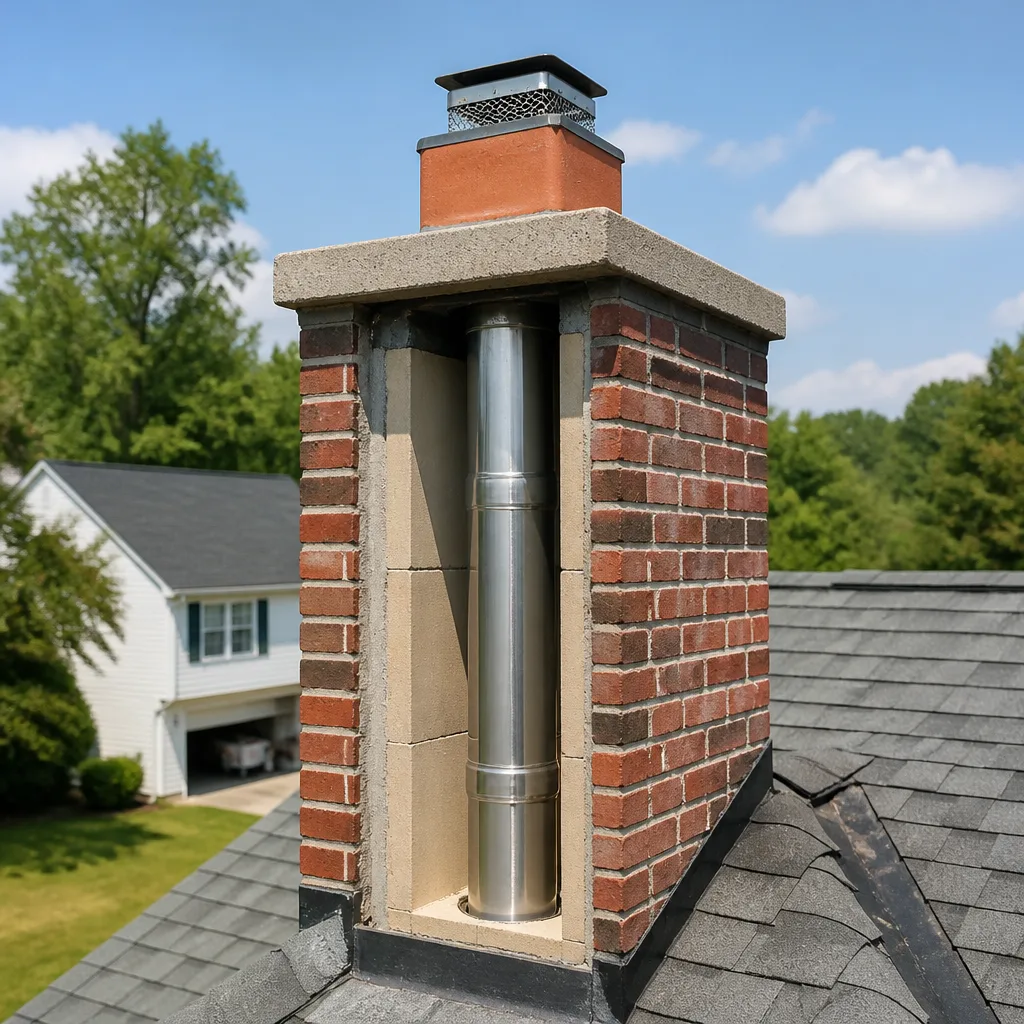
On the repair side, this is where our HeatShield resurfacing capability earns its place. When a flue liner is damaged but resurfacing can restore it, HeatShield is a cost-effective path that doesn’t require a full liner replacement. When resurfacing isn’t enough, DuraFlex liner systems let us reline completely. Both are professional-grade product systems we work with, and we’ll talk through which one the evidence supports.
The mortared joints themselves are part of the annual inspection picture. If you’ve had the chimney inspected this year and hear no concerns about the joints or the liner, that’s a clean bill. If you’ve never had that close-up check, the next one is where you learn what your chimney’s actually doing.
The Interior Checklist: Damper, Smoke Shelf and Firebox
The inside of the firebox and the throat above it are where you can spot a lot of what’s going wrong without an instrument. This is the part of the checklist to do when you haven’t lit a fire for a while, so the firebox is cool and clear. Here’s what “normal” looks like, item by item.
- Damper operation. The damper is the hinged metal plate above the firebox that opens and closes the flue. It should open and close smoothly and sit flush when closed. If it sticks, doesn’t seal, or has rusted, that’s a maintenance item. A damper that won’t close fully lets warm air and cold air move through the chimney when the fireplace is unused.
- Smoke shelf debris. The smoke shelf is the flat ledge just behind the damper. It collects falling debris, soot and creosote flakes, and buildup there is normal to a point. What you don’t want is a thick layer that blocks the opening. This is one a homeowner can see with a flashlight and a steady angle.
- Firebox joint integrity. Look at the mortar joints on the firebox walls and floor. They should be intact and consistent. Cracks in the firebox joints are a repair question, not a self-fix. A firebox is directly exposed to fire, and damaged joints make for an unsafe situation, so this one is worth flagging to a professional rather than attempting any DIY filling.
- Creosote volume. Creosote is the dark, tar-like residue from burning wood. Creosote buildup is a leading cause of chimney fires, and the smart rule is that if you can see a meaningful layer on the flue walls, you’re past the window for a professional sweep. You don’t need to measure it. You just need to call.
- Drafts and smells. A strong smell from a dormant chimney, or a fire that smokes into the room rather than up the flue, are signals of a blocked or restricted flue. Draft problems belong on the professional list.
We work from the firebox up through the cap on every job, so the throat of the chimney isn’t a part we skip. If something in the firebox or damper needs fixing, that’s handled by our fireplace repair rather than sending you to a different contractor.
What You Can Check Yourself vs. What Needs a Professional
Here’s the boundary we promised. Not every item belongs on your plate, and the self-check list should be short enough that you’ll actually do it. We split the checklist into three columns: what you can watch, what needs a professional instrument, and what is genuinely dangerous to touch.
Self-monitor from the ground and the firebox:
- The crown: look for cracks or separated sealant from the ground.
- The cap: is it present, level and intact?
- Efflorescence: white powdery staining on brick.
- Flashing: gaps where the chimney meets the roof.
- Damper: opens and closes smoothly.
- Smoke shelf: visible built-up debris.
- Firebox joints: obvious cracks or gaps.
Needs a professional instrument:
- Flue liner condition, checked with a camera or dedicated inspection tool.
- Mortar joint condition close up, checked from the roof level or with instruments.
- The actual thickness of creosote inside the flue.
- Structural integrity of the masonry stack after any ground movement or storm.
- Draft measurement and flue sizing.
Never self-handle: structural masonry repair, liner work, and anything that requires getting on the roof or reaching into the firebox joints. Climbing a roof and doing structural work at height are how people get seriously hurt. The self-check exists because it makes you a better-informed caller. The instrument check exists because eyes from the ground can’t see inside the flue. We’re clear about which is which so the checklist doesn’t spiral into a full-time job.
When it’s time for the professional side, our chimney repair covers the structural items that a sweep or inspection flags.
See the difference
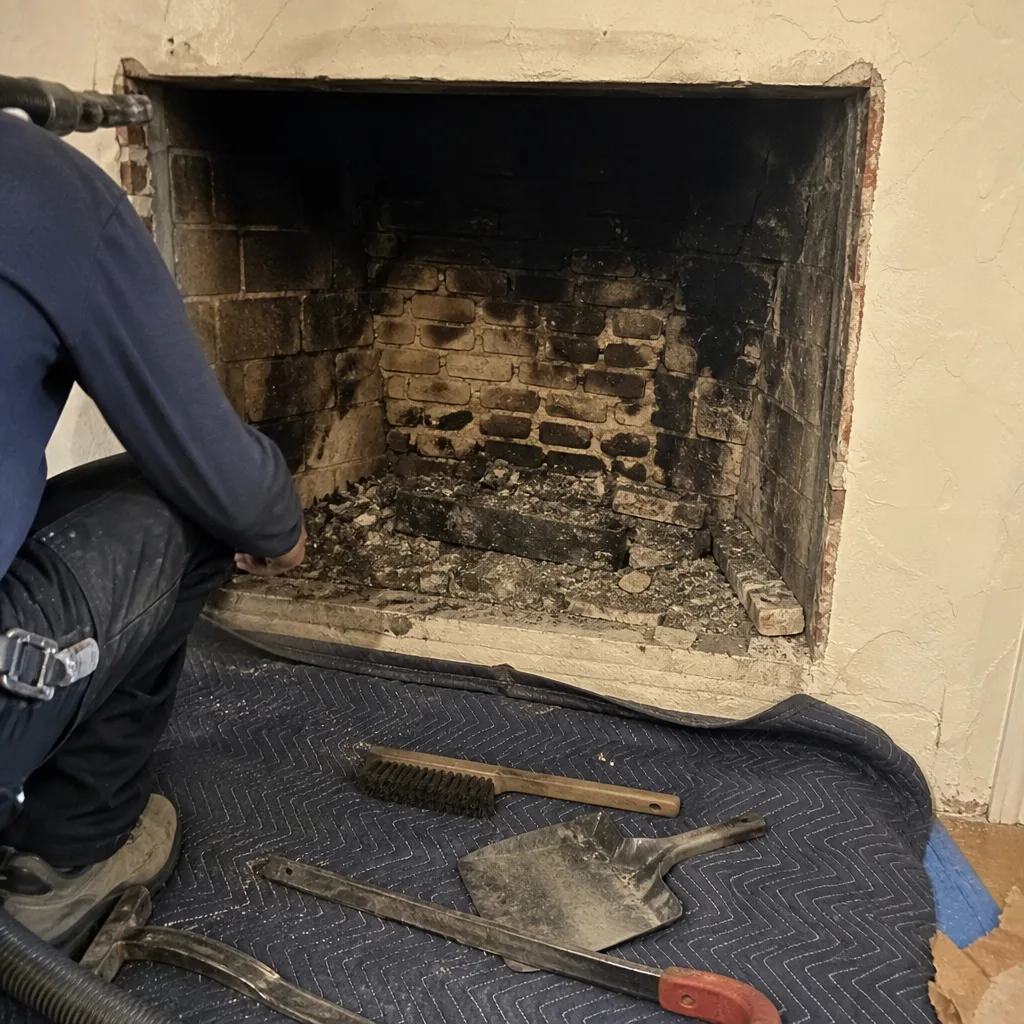 Before
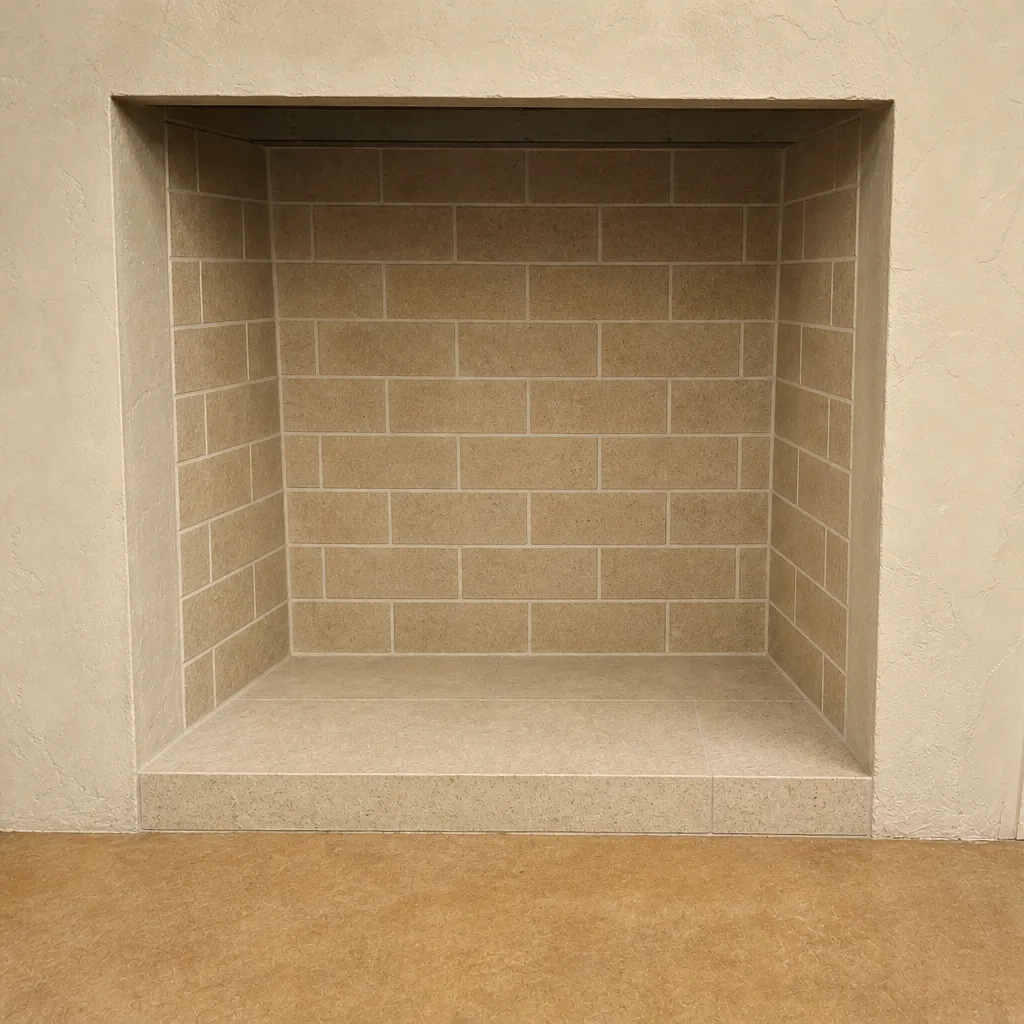 After
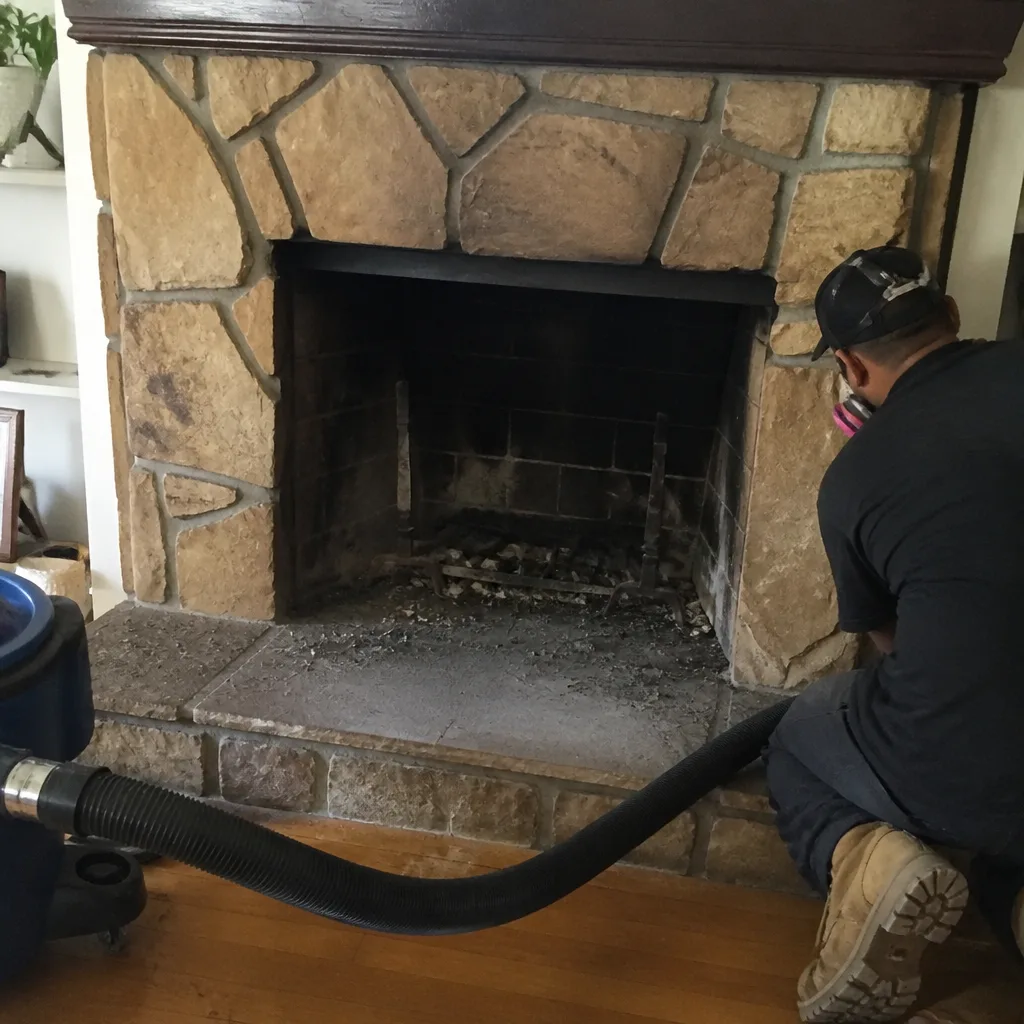 Before
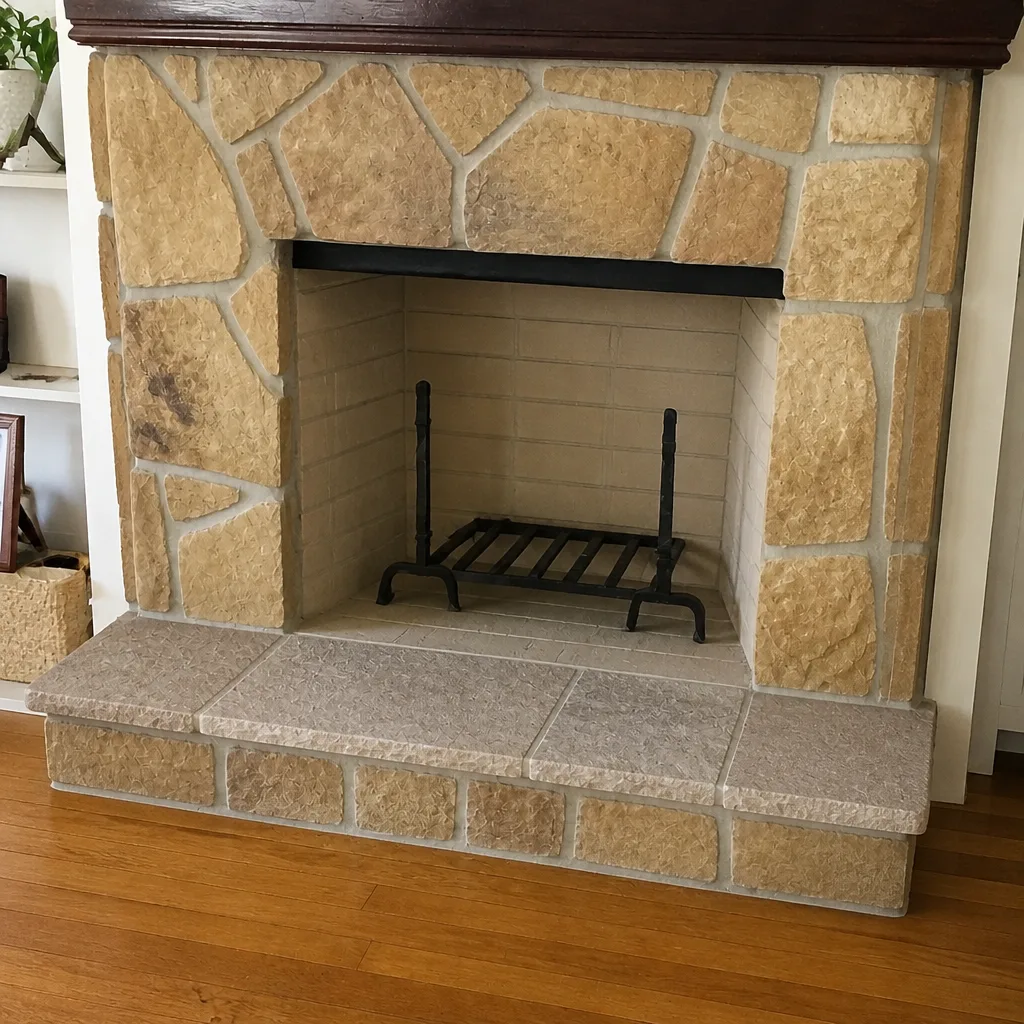 After
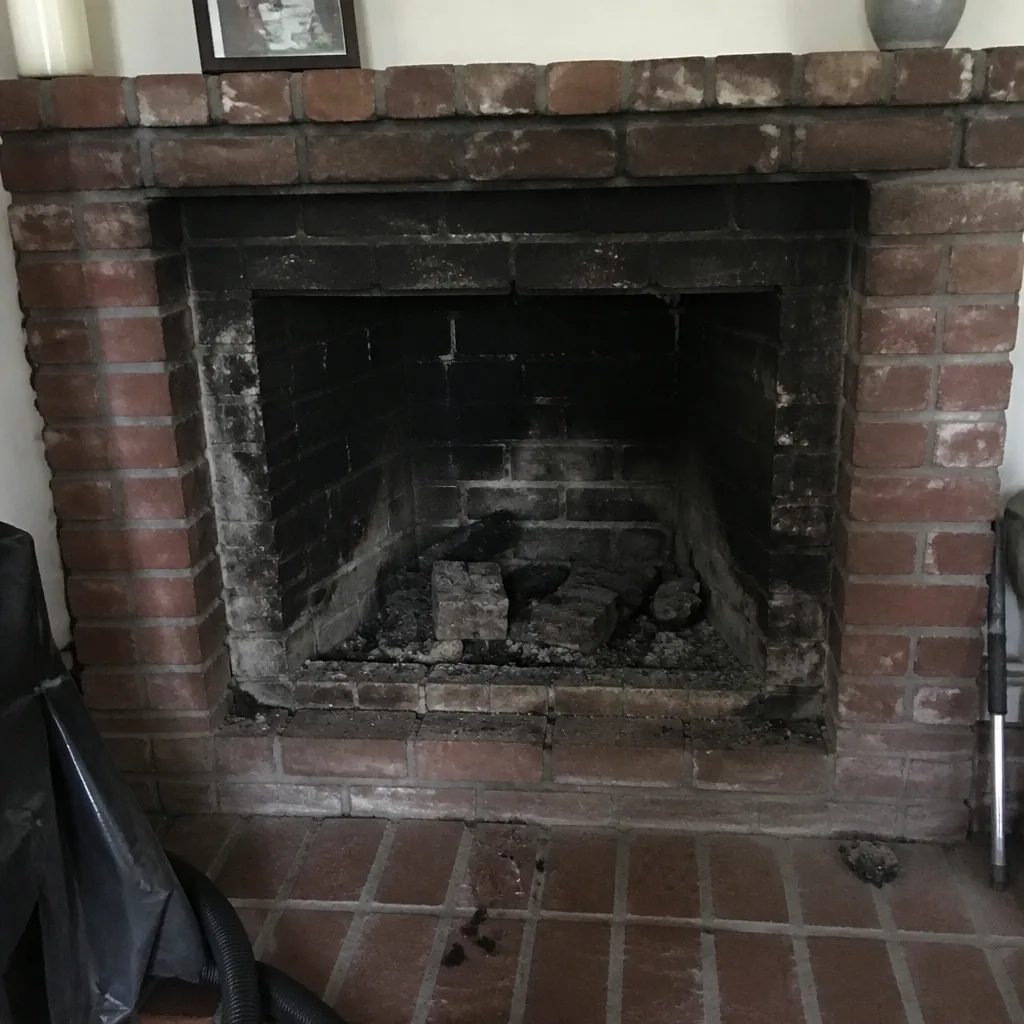 Before
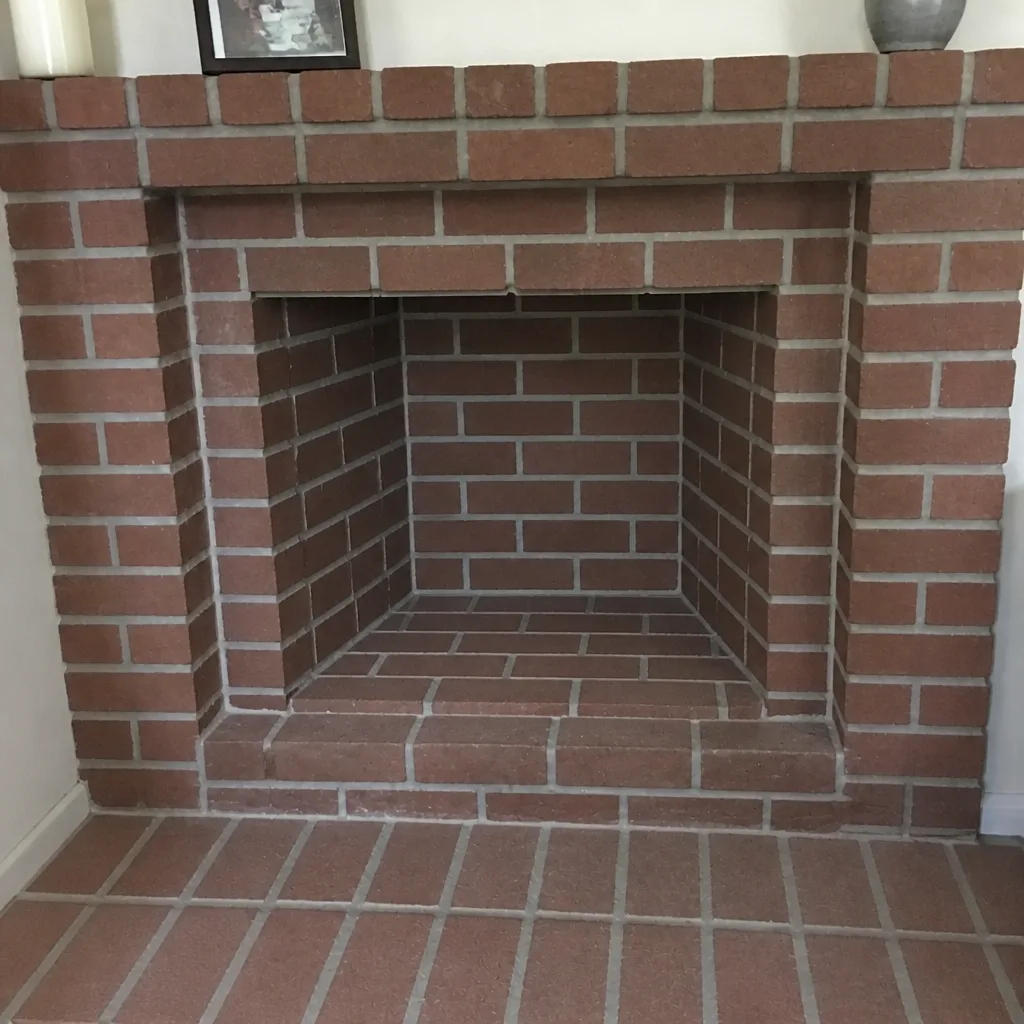 After
How a Professional Sweep and Inspection Actually Work
The annual visit is the one item on the checklist that does the work you can’t. Here’s what a visit from us involves, from the firebox to the cap, so you know what to expect and what “done” looks like.
- A ground-level visual first. We start by looking at the crown, cap, flashing and brick from the ground, marking anything that needs a closer look. This is the same check you do yourself, done by someone who knows what “off” looks like.
- The sweep itself. We clean the flue and firebox, removing creosote and soot. A professional sweep removes creosote before it ignites, and the quality of the clean is where the safety of the whole season sits.
- The inspection. We inspect the flue liner, mortar joints, damper and firebox. Inspections are a named service for us, not an upsell. The instrument check tells us what the camera and the eyes see, and whether the liner needs resurfacing, relining, or just a clean bill.
- A report and a recommendation. We tell you what we found, what needs attention, and what can safely wait. Nothing beyond routine cleaning gets recommended without the professional check to back it up.
A sweep and an inspection are two different jobs on the same visit. Plenty of companies quote a clean and treat the inspection as an optional extra. We treat them as one standard, because skipping the inspection is how a cracked crown or a failing joint slides by for another year. If you want the full picture of who we are and the five services we cover, our homepage at Orange Chimney Sweep Pros lays it out simply.
When a Checklist Item Turns Into a Repair
The whole point of a checklist is to catch things while they’re still small. But eventually a cracked crown, a separated flashing, a worn damper or a damaged liner is a repair, not a maintenance note. Here’s how we think about which checklist items cross that line, and why it pays to have one company handle both.
The crown and cap are the most common repair triggers. A crown that’s cracked enough to let water in is a structural-waterproofing job, and cap and crown work is one of our core services. We work with professional-grade product brands on the repair side, including HeatShield resurfacing for restorable liners and DuraFlex liner systems when a full reline is the right path, plus Gelco, Olympia Chimney, Famco and Copperfield where they fit the job. That product knowledge is what lets a sweep-to-repair company avoid the “call someone else” handoff that sweep-only services leave you with.
The reason this matters for Orange homeowners is the second-contractor problem. When a sweep finds a liner problem, a sweep-only competitor cleans the flue and tells you to hire somebody else to fix it. You end up re-explaining the problem to a contractor who has never seen your chimney. Our approach is different. If the inspection flags something, we’re the ones who fix it, because chimney repair, fireplace repair, and cap and crown work are the same company as the sweep. One call, complete chimney care.
There is also a question we take seriously: what can safely wait. Not every finding is urgent, and we say so. If a crown has minor wear that doesn’t yet need work, we’ll tell you to watch it and re-check next season. That honesty is part of the same standard as the inspection itself.
Common Mistakes to Avoid
- Following a cold-climate checklist. If your maintenance list is built around ice dams, frost and freeze-thaw cycles, it’s calibrated for a climate Orange doesn’t have. Build a checklist around sun, long dormancy and earthquake stress instead.
- Ignoring the crown because the flue looks fine. The crown is where our local wear shows up first, and it’s easy to overlook because it’s out of your normal line of sight. Make the ground-level look a standing item.
- Skipping the inspection because you booked a sweep. A sweep and an inspection are not the same job. A clean flue doesn’t tell you whether the mortar joints are intact or the liner is sound. Insist on both.
- Leaving the chimney uncovered. A missing or damaged cap turns a dormant summer into an open invitation for birds, squirrels, spiders and debris. Cover it, and check that the cap is actually sitting tight.
- Ignoring efflorescence and assuming it’s cosmetic. White powdery staining on the brick is moisture moving through the masonry, and it often points to a crown or flashing problem. Treat it as a signal, not a scrub job.
- Doing structural work at height yourself. Getting on the roof and doing masonry work are not homeowner jobs. A fall is one of the worst outcomes in this trade, and one of the most preventable.
- Putting off the pre-fire-season sweep. Creosote from a heavy winter sits in the flue all summer. Booking the sweep in the fall, before the first fire, is the single most useful seasonal habit in Orange.
When to Call a Professional
Some things just need a professional, and a good checklist tells you when. Call us if you see a cracked or crumbling crown, a missing cap, efflorescence on the brick, or separated flashing. Call us if your damper sticks or your firebox joints show cracks. Call us if you’ve never had a flue inspected with instruments and don’t know what the liner looks like inside. Call us before the first fire of the season, and call us if you notice a draft problem or a smell from the firebox when the chimney is dormant. None of these are emergencies to wait on, and none are self-fixes.
Orange Chimney Sweep Pros offers free estimates in Orange, and the price for any work is set per job by the written estimate. Call (877) 770-1853. We answer 24/7. Fast dispatch from 7am to 7pm, Sunday through Friday. We’ll look from the firebox to the cap and tell you what needs attention and what can safely wait.
Frequently Asked Questions
Once a year for both, with a light visual check of the crown, cap, flashing and brick twice a year. Our mild climate means the sweep-inspect visit does most of the heavy lifting in the fall, before fire season. Call (877) 770-1853 to book a free estimate, and we’ll get your chimney on the schedule.
The crown and its sealant. Summer sun here dries and cracks crown sealant faster than cold weather ever does, and a cracked crown lets water into the flue structure. It’s the number one visually detectable problem in our climate. If you only remember one thing from this guide, remember to look up at the crown. Call (877) 770-1853 for a free estimate and we’ll take a close look.
Yes, and you should. Look for a cracked crown, a missing or damaged cap, white efflorescence on the brick, and gaps in the flashing. Anything inside the flue or at the mortar joints needs a professional instrument check. Call (877) 770-1853, and the professional side is a free estimate away.
Southern California sits on active faults, and steady low-level ground movement puts annual stress on a masonry chimney’s mortar joints. Hairline cracks can appear without you seeing them from the ground. That’s why we treat a close-up mortar joint inspection as an annual item, not a one-off. Call (877) 770-1853 for a free estimate and we’ll flag anything the ground check can’t catch.
It means moisture is moving through the masonry, showing up as white powdery staining. It often points to a crown or flashing problem letting water in. It’s a signal, not a cosmetic issue. Call (877) 770-1853 and we’ll trace where the water is coming from as part of a free estimate.
We handle the repair in-house. Sweep, inspection, fireplace repair, chimney repair, and cap and crown work are all one company, so you’re not handed off to a second contractor. HeatShield resurfacing can often restore a damaged liner without a full replacement, and DuraFlex liner systems handle a complete reline when needed. Call (877) 770-1853 for a free estimate.
The Bottom Line
A maintenance checklist for Orange should reflect what actually degrades on a Southern California chimney: cracked crown sealant from summer sun, mortar joint stress from earthquake activity, and pests and debris from long dormant periods. Check the crown, cap, efflorescence and flashing from the ground twice a year. Keep the damper, smoke shelf and firebox joints on your fall routine. Book a sweep and inspection every year before fire season, and let a professional do the instrument check on the flue and joints. The rest is knowing when a maintenance note becomes a repair, and calling the one company that covers both. Call (877) 770-1853 for a free estimate.
Written by the team at Orange Chimney Sweep Pros.