
Last updated November 25, 2026
 Sweep & inspection
 Caps & crowns
 Flue relining
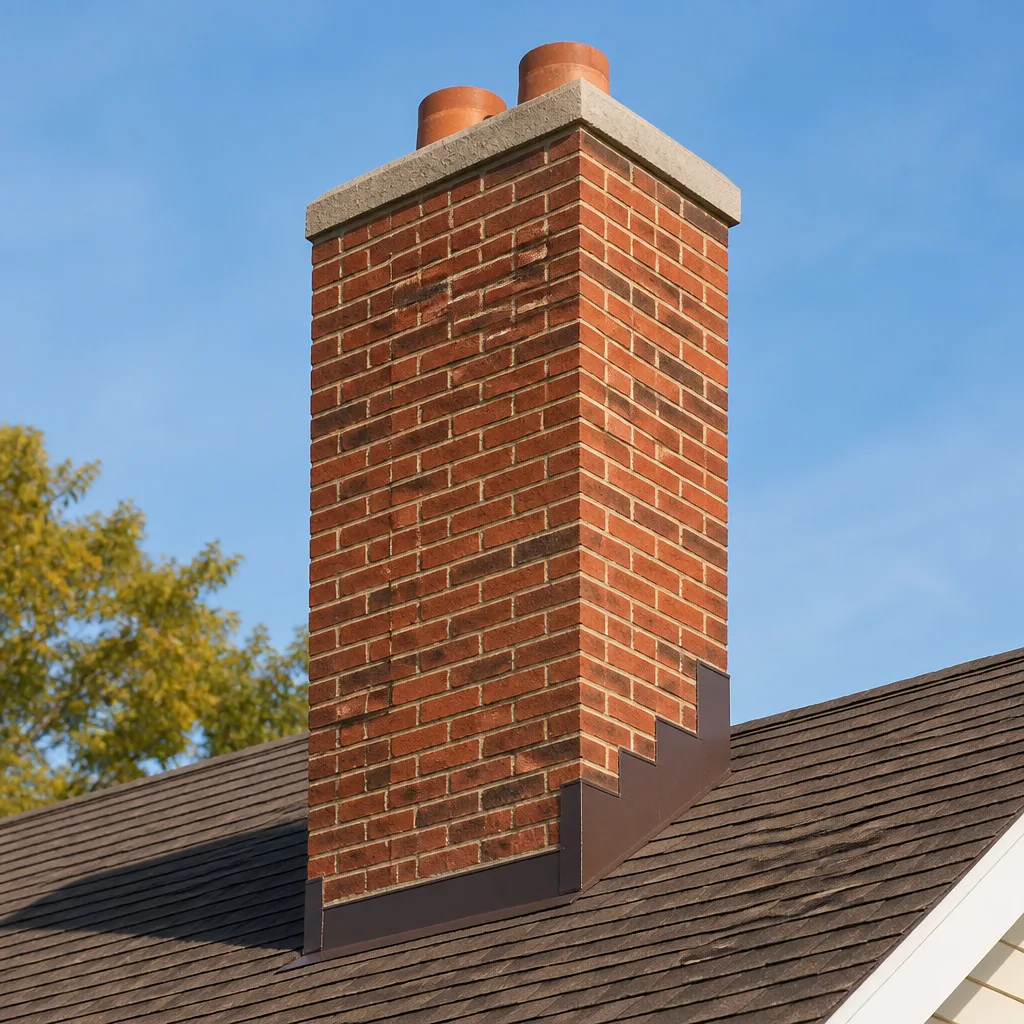 Masonry repair
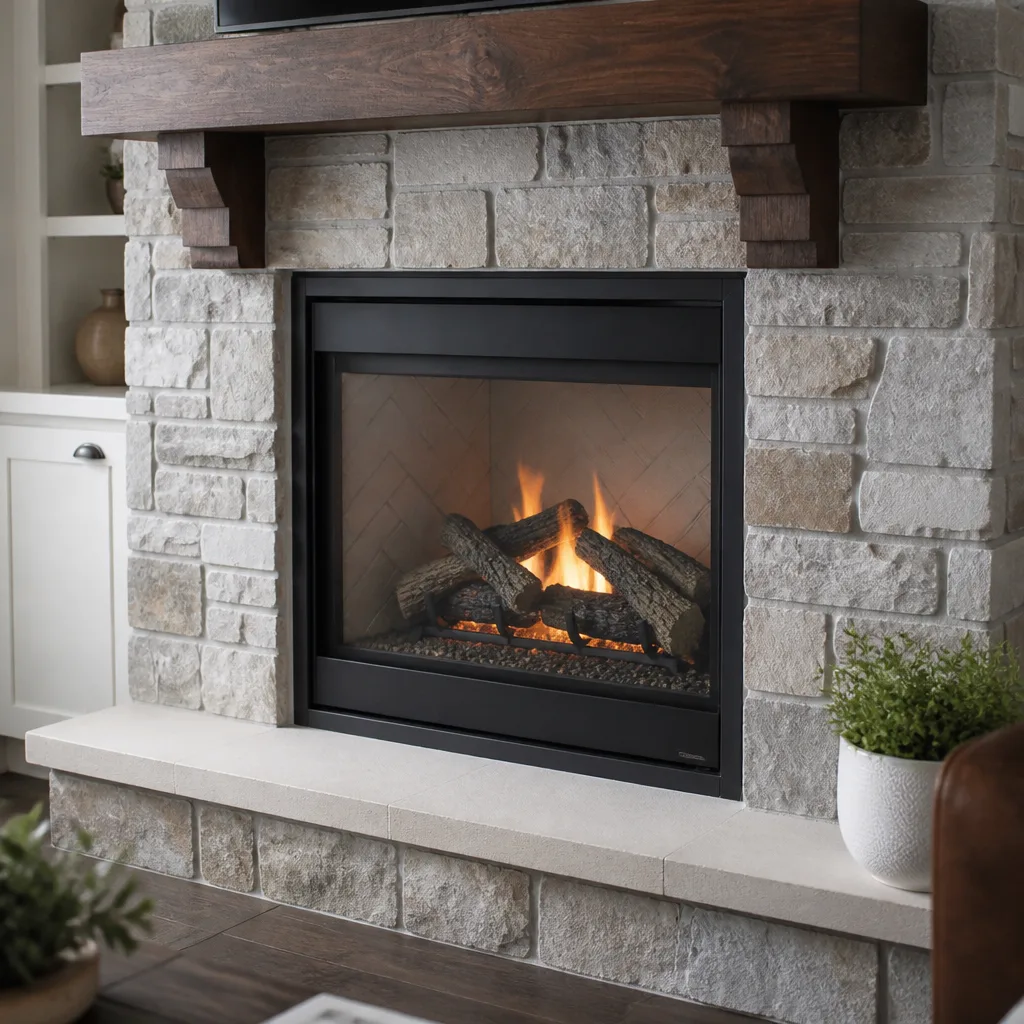 Gas fireplace service
Level 1 sweep and inspection to the NFPA 211 annual standard - flue, crown, cap, and flashing checked and photographed
Chimney sweep logs do not sweep chimneys. They loosen some creosote - which then falls where a brush and vacuum still have to collect it.
The Complete Guide to Chimney Cleaning in Orange
Most Orange homeowners light their fireplace fewer than fifteen nights a year. That sounds like the safest possible situation for a chimney, doesn’t it? In our experience, it’s often the opposite. A chimney that sits idle between short burns gives creosote long stretches to harden into glazed, tar-like deposits that a brush won’t touch, and the mild Orange climate does nothing to slow that process down. This guide walks through what a real chimney cleaning involves in Orange, how this region’s weather shapes what we find inside fireplaces here, which inspection level a typical home needs, and how to tell a cleaning receipt apart from a cleaning report. Read it before your next sweep and you’ll know exactly what to ask for.
Quick Answer
A proper chimney cleaning in Orange is a top-to-bottom service, not a quick brush-out: it covers a cap and crown inspection, a flue sweep, a smoke chamber and firebox brushing, and a documented inspection of the entire system. Most Orange homes with a regularly used fireplace need a cleaning plus a Level 2 camera inspection, and many are found to need minor repair work that a full-service chimney specialist can complete rather than hand off. Call (877) 770-1853 for a free estimate.
Styles & brands we work with
- Sweep & inspection
- Caps & crowns
- Flue relining
- Masonry repair
- Gas fireplace service
Table of Contents
- How Orange’s climate shapes creosote buildup
- The three inspection levels explained
- What a full-service cleaning visit includes
- Cleaning receipt vs. cleaning report
- Catching structural problems early
- How often should you get your chimney cleaned?
- How to choose a chimney professional in Orange
- Common mistakes to avoid
How Orange’s Climate Shapes Creosote Buildup
Orange sits in a mild, marine-influenced pocket of Southern California where winter evenings are cool enough for a fire but rarely cold enough to burn one every night for months. That pattern produces a specific creosote profile, and it’s different from what you’d find in a colder mountain town or a dry inland valley.
Creosote forms in three recognizable stages, and understanding them explains why infrequent use can be riskier than heavy use:
- Stage 1 – soot and flaky ash. Soft, easy to brush away. This is what most light use produces early in the season.
- Stage 2 – hardened, crusty deposits. Forms when creosote sits long enough to lose moisture and bond to the flue wall. A standard brush removes some of it but often leaves a film behind.
- Stage 3 – glazed, tar-like creosote. The hardest stage, essentially baked onto the flue, and the most flammable. It requires specialized removal tools and technique, not a wire brush.
Two local factors push Orange chimneys toward Stage 2 faster than people expect. First, the higher humidity in the marine-influenced air slows the drying of creosote between fires, so deposits that would normally dry and flake off instead stay tacky and cure in place. Second, the short burn season means fewer clean-out cycles. A homeowner who lights a fire a dozen times over a winter and then closes the damper until next fall is giving that creosote months to harden. We see Stage 2 deposits on Orange flues that a homeowner swears “can’t be that dirty” because they barely burned anything.
The practical takeaway: annual inspection matters more here than the number of fires you’ve had. Skip a year and you may not notice the difference in how the fireplace draws, but you may be storing a layer of hardened fuel on the flue wall. Our technicians have up to 13 years of experience reading exactly this kind of deposit pattern, and a professional sweep removes creosote before it has a chance to ignite.
The Three Chimney Inspection Levels, Explained Simply
Chimney inspections follow a recognized three-level system, and knowing the difference tells you whether the company you hired is inspecting your chimney properly or defaulting to the bare minimum. Most Orange homeowners need a Level 2 inspection. Here’s why the distinction matters.
Level 1 Inspection
A visual check of readily accessible parts of the chimney and fireplace: the firebox, damper, smoke chamber from the firebox side, and the visible flue opening. It’s appropriate when the chimney is unchanged and continues a routine maintenance schedule, and it’s often folded into an annual cleaning. A Level 1 doesn’t look inside the flue along its full length. That limit is worth understanding.
Level 2 Inspection
A more thorough evaluation that includes video camera inspection of the full flue interior. This level is appropriate after any change to the system (new appliance, relining, a chimney fire, a home purchase), and it’s what a professional should default to when the history of the chimney is unknown. In Orange, with a lot of older housing stock, that unknown history is common. A camera inspection shows the actual condition of the flue tiles, joints, and any liner, in pictures you can see for yourself.
Level 3 Inspection
Reserved for cases where a Level 1 or 2 reveals a serious concern that requires access to concealed areas, sometimes involving removal of parts of the chimney or building assembly to investigate. This is uncommon, and a professional should explain exactly why it’s being recommended before any demolition happens.
Where sweep-only companies sometimes fall short is offering a Level 1 by default and calling it a thorough inspection. That’s not a knock on their craft; it’s just a scope limitation. Because inspection is a named core service for us rather than an add-on, we build the camera review into the visit when it’s warranted. You shouldn’t have to ask twice to see inside your own flue.
What a Full-Service Cleaning Visit Physically Includes
A chimney cleaning in Orange should follow a consistent sequence from the top of the chimney to the firebox. Knowing the steps lets you recognize a complete job and question a rushed one. Nothing in a cleaning visit involves you doing the work; it’s a walkthrough of what a technician does so your expectations are calibrated.
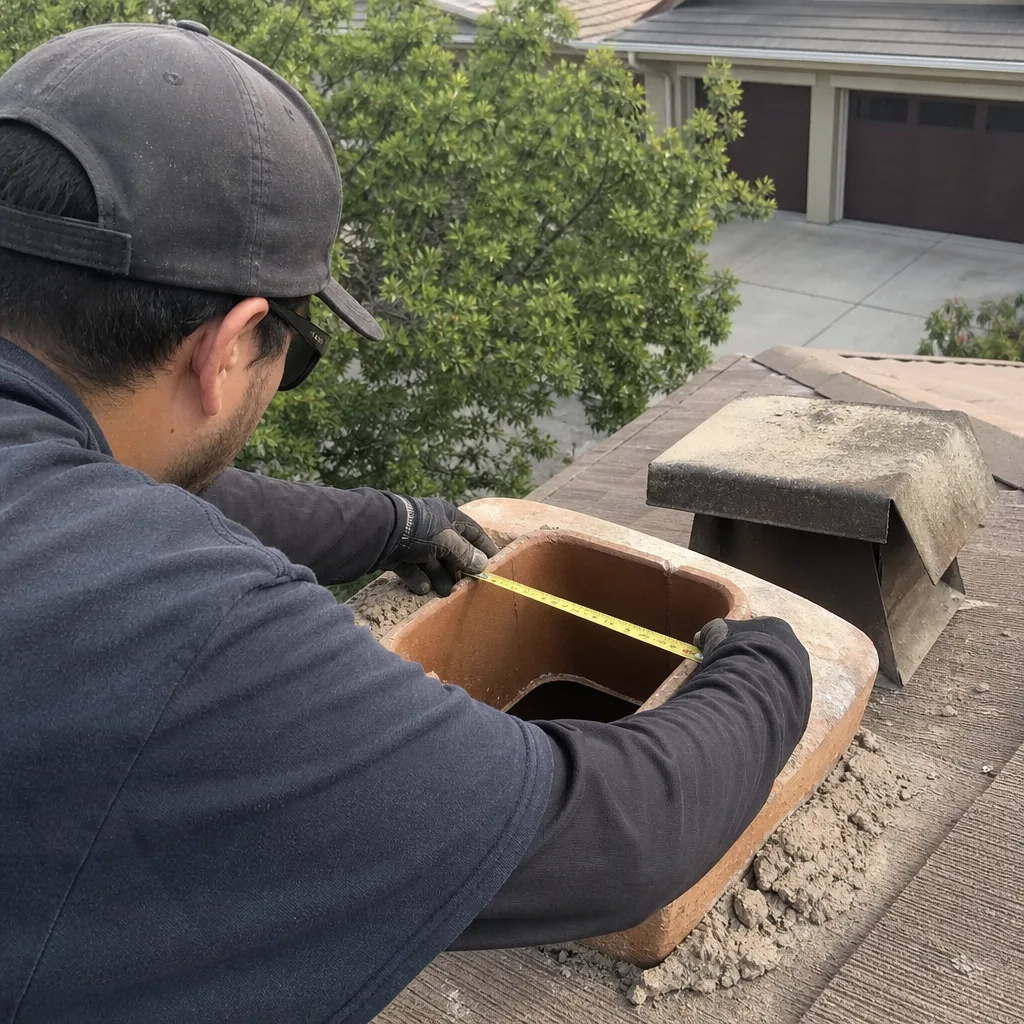
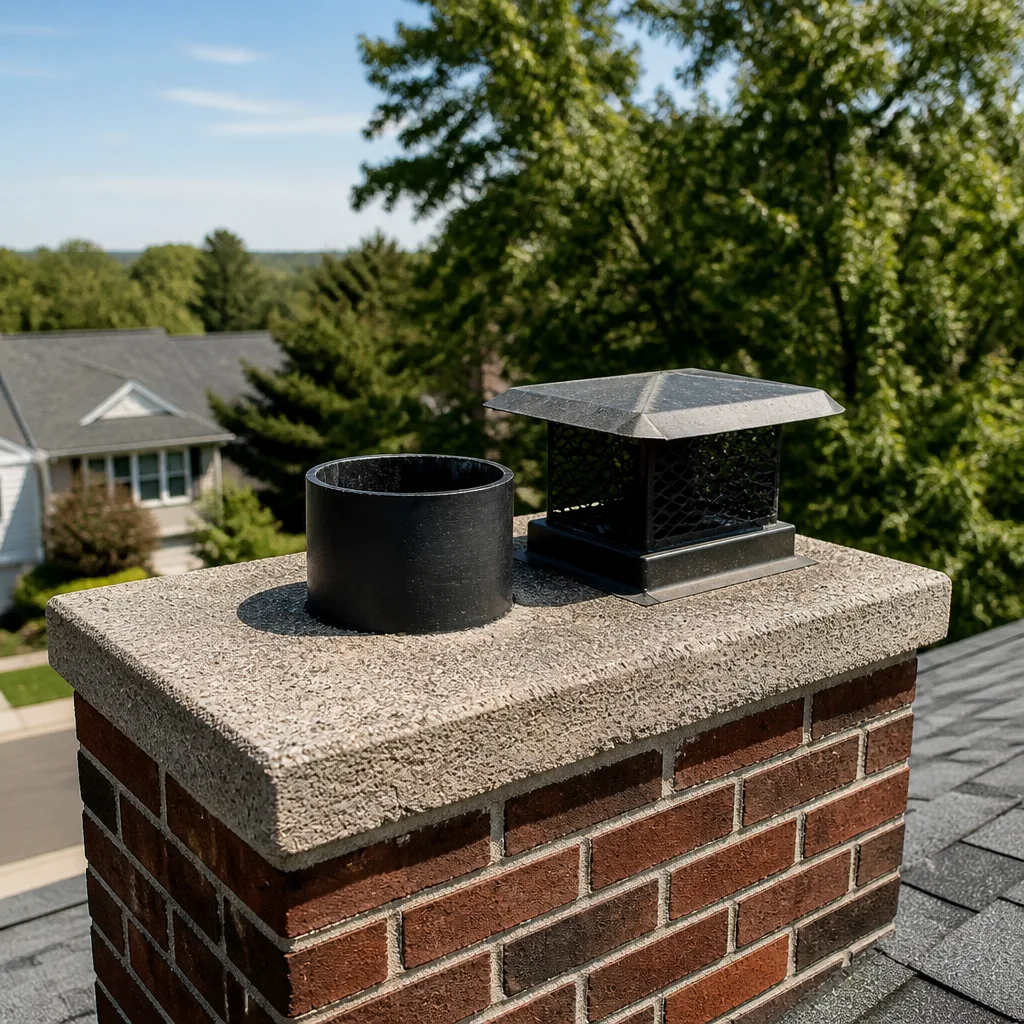
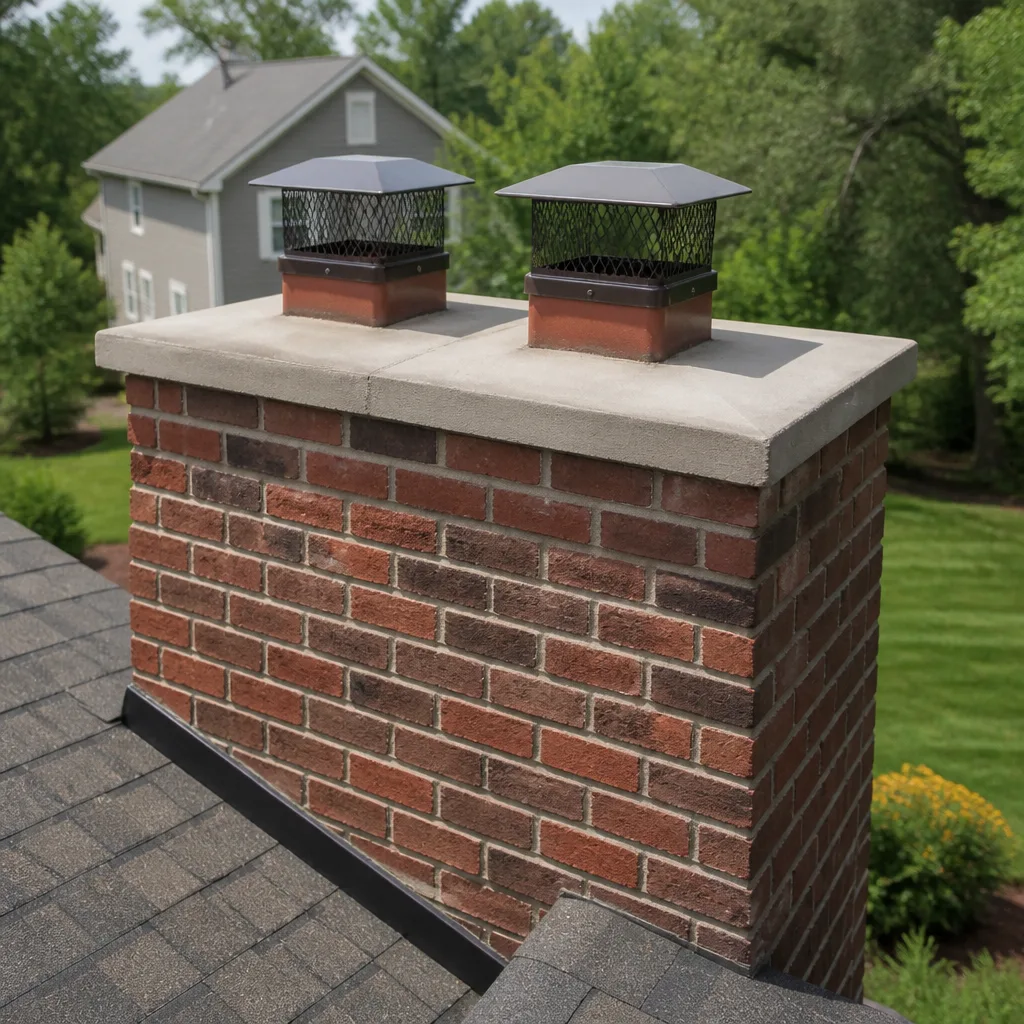
- Exterior cap and crown check. The cap and crown are the structural waterproofing layer most homeowners overlook. A cracked crown lets water into the masonry, and a missing or damaged cap lets in rain, birds, and debris. This is checked first because it’s the most common source of bigger problems.
- Flue sweep. The flue is cleaned from the top down with the correct brush for the flue type, with drop cloths and a vacuum in place to keep the living space clean. Creosote is removed to the extent the stage allows.
- Smoke chamber and firebox brushing. The smoke chamber just above the damper is often where soot and creosote collect unnoticed. It gets brushed and vacuumed, along with the firebox walls.
- Damper check. The damper is operated to confirm it opens, closes, and seals properly, since a failed damper affects both draft and heat loss.
- Flue camera inspection (Level 2, where warranted). Where the flue is inspected with a camera, we record what we see and show it to you, so any repair recommendation is backed by evidence rather than a verbal claim alone.
- Photo report. A written record of condition, findings, and any recommended work, with images – not a scribbled receipt. This is the document that protects you later.
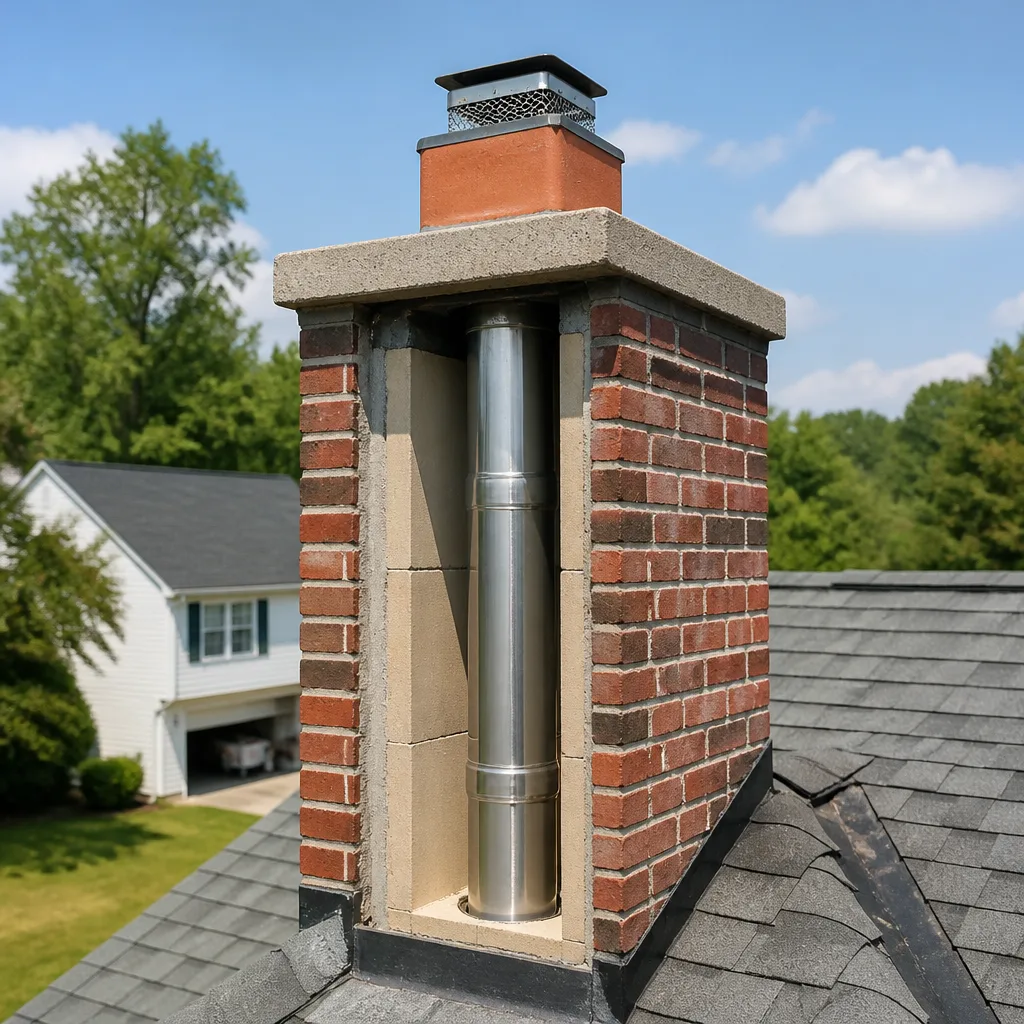
We work with professional-grade materials when repair is needed, including DuraFlex liner systems when a full relining is the right path, so a cleaning that surfaces a problem doesn’t leave you hunting for a second contractor. From the firebox to the cap is one visit when it’s handled by a full-service chimney specialist.
The Difference Between a Cleaning Receipt and a Cleaning Report
This is the section most guides skip, and it matters if you ever file a homeowner’s insurance claim that involves your fireplace. A cleaning receipt proves a service was performed and money changed hands. A cleaning report documents the condition of the system – what was found, what was recommended, and what the flue looked like on the day of the visit. In a claim situation where an insurer asks what condition the chimney was in, only the report helps you.
A useful cleaning report includes:
- Date of service and description of what was performed
- Condition notes on cap, crown, flue, smoke chamber, damper, and firebox
- Photos or camera imagery of any issue found
- Clear language on what was recommended and why
- An indication of what work, if any, can safely wait
When you book a cleaning with us, the camera inspection and photo report are part of the visit. We’d rather show you a photo of a hairline crack in the smoke chamber than tell you a number and expect trust. That transparency is the whole point – it’s why you stay on the page instead of bouncing back to a search for a second opinion.
Why Cleaning Is the Best Time to Catch Structural Problems
The cleaning visit is often the only time a home’s chimney system is looked at closely by anyone with tools in hand. That makes it the natural moment to catch issues that are invisible from the living room and cheap to fix early, and expensive or dangerous to leave.
The most consequential of these is spalling flue tiles – the clay tiles lining older flues can crack and flake as they age, and a gap in the liner allows combustion gases, including carbon monoxide, to escape into the structure of the home rather than up and out the top. You can’t see this from the firebox. A camera inspection can. This is exactly the kind of finding that turns a routine cleaning into a safety conversation, and it’s why we treat inspection as a standard part of the job rather than a sales add-on.
Other structural findings a cleaning surfaces:
- Cracked or missing crown letting water into the masonry
- Deteriorating mortar joints that weaken the chimney’s structure over time
- A damaged or missing cap allowing animals, rain, and debris in
- Flue liner gaps that affect draft and safety
- Damper and firebox wear affecting efficiency and safe operation
When these come up, the advantage of using a full-service chimney specialist shows. HeatShield resurfacing can restore a damaged flue liner in many cases, avoiding the cost of a full replacement, and where resurfacing isn’t enough, DuraFlex liner systems support a complete relining. We also work with Olympia Chimney and Copperfield components when the repair calls for them. Heating and chimney work is genuinely dangerous – creosote fires and carbon monoxide are real, not theoretical – so these findings belong in the hands of a trained professional, not a weekend project.
How Often Should You Get Your Chimney Cleaned in Orange?
For most Orange homeowners, an annual chimney inspection is the baseline, and cleaning frequency follows what the inspection finds. The common industry rule of thumb is to clean when about a quarter inch of creosote has accumulated on the flue wall – roughly the old measure of a buildup thick enough to leave a visible ridge. A sweep can estimate this during an inspection even when you haven’t burned much.
Frequency depends on how you use the fireplace:
- Frequent winter burning (several fires a week through the season): inspect and clean annually; some homes need it more than once a year if burning is heavy or the wood is poorly seasoned.
- Moderate use (a few fires a month): annual inspection, cleaning as buildup dictates.
- Rare or seasonal use (a dozen or fewer fires a year): still inspect annually. In our mild Orange climate, this is the category that most often hides Stage 2 creosote, because short burn seasons let deposits sit and harden.
- Gas fireplace: less creosote, but inspection still matters for venting, the cap, and the firebox condition.
What you burn changes the math too. Well-seasoned, dry hardwood produces less creosote than green or damp wood, and an open, lazy fire smolders and deposits more than a hot, efficient one. If you’re unsure where your fireplace falls, a single inspection this season tells you more than any rule of thumb. Call (877) 770-1853 to book a visit and get a straight answer.
How to Choose a Chimney Professional in Orange
Choosing well comes down to a few concrete questions you can ask anyone before booking. You don’t need to be a chimney expert; you just need to know what a complete job looks like. A trustworthy professional will welcome the questions.
- Is inspection included, or is it an extra? A safety-first standard builds the inspection in. If it’s an upsell, ask what the base cleaning actually covers.
- Do you show the evidence? A camera inspection and photo report mean you see the findings yourself, not just hear about them.
- Can you handle repairs found during the cleaning? A sweep-to-repair specialist means one call, one team, from cleaning through structural repair. A sweep-only company will flag a problem and leave you to find someone else.
- What products and materials do you use? Trade-level knowledge shows when a company can name the systems it uses for liner work – HeatShield for resurfacing, DuraFlex for relining, Olympia Chimney and Copperfield components where called for.
- Will the price be flat and agreed before booking? A flat-price sweep agreed in advance, plus a written estimate for any repair work, keeps the invoice predictable.
- Are the details local? Ask whether they understand how Orange’s mild, marine-influenced climate affects creosote type. A generic answer tells you something.
You can read more about how we approach the whole job on our Orange Chimney Sweep Pros home page, and if you’re comparing providers, start with a chimney sweep estimate and ask the questions above. The right answer isn’t the cheapest visit; it’s the complete one.
Common Mistakes to Avoid
- Treating “barely used” as “doesn’t need cleaning.” In Orange, a lightly used fireplace is exactly where Stage 2 creosote hardens unnoticed between seasons, because the deposits sit undisturbed for months. Annual inspection catches it before it becomes Stage 3.
- Accepting a Level 1 as a full inspection. A visual-only check doesn’t see the full flue. If the history of your chimney is unknown, insist on a level of inspection that looks inside it with a camera.
- Settling for a cleaning receipt. A receipt proves the visit happened; it doesn’t document condition. Ask for a report with photos so you’re covered if an insurance claim ever involves the fireplace.
- Hiring a sweep-only service and finding out later. When the cleaning surfaces a cracked crown or a failing liner, you don’t want to start the search over. Confirm up front that the company can do the repair work too.
- Ignoring the cap and crown. These are the waterproofing layer most homeowners never think about, and a small crack lets water into the masonry where it does the most damage over time.
- Burning green or damp wood. Damp wood smolders and deposits more creosote per fire. Seasoned hardwood is worth the difference for how your flue ages.
- Putting off installation repairs because they seem cosmetic. A damaged liner or crown isn’t cosmetic; it’s a path to carbon monoxide exposure or water damage. Get the camera evidence, then decide – don’t defer the look.
See the difference
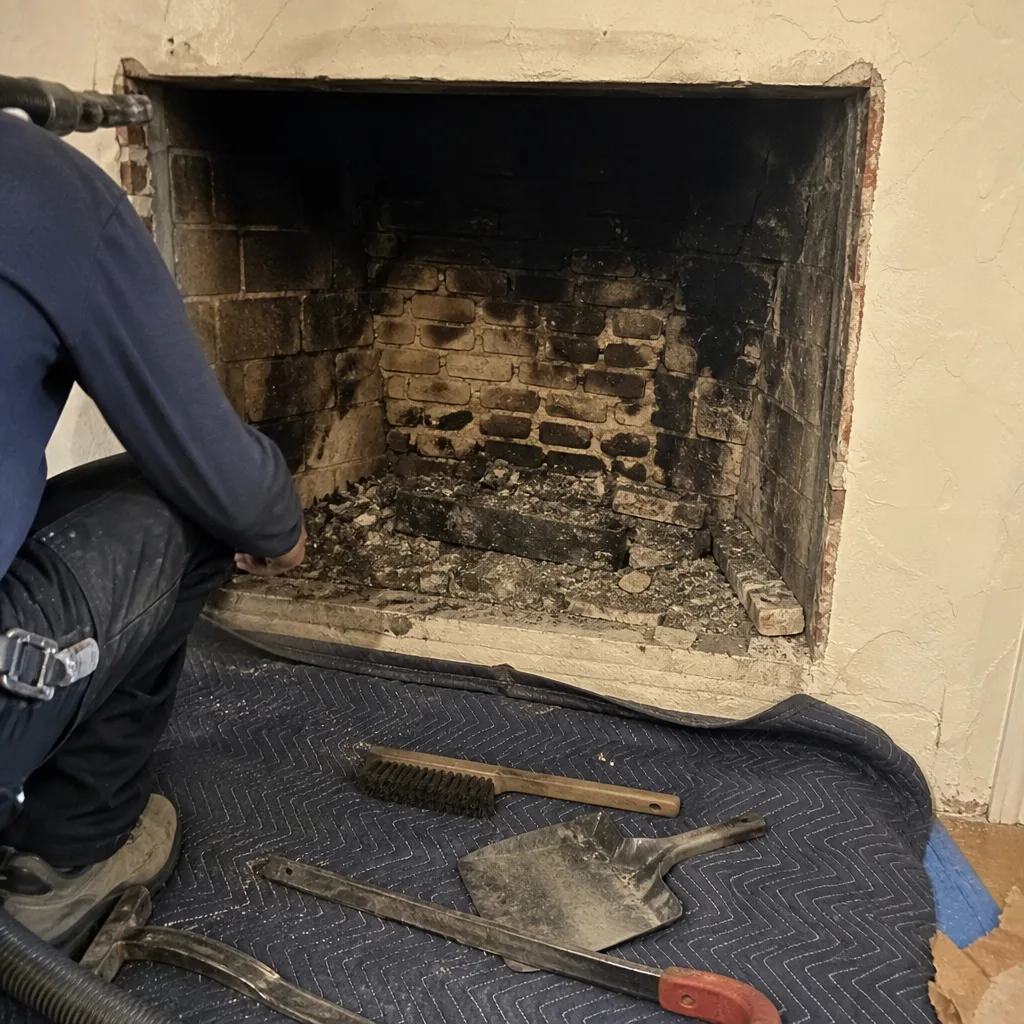 Before
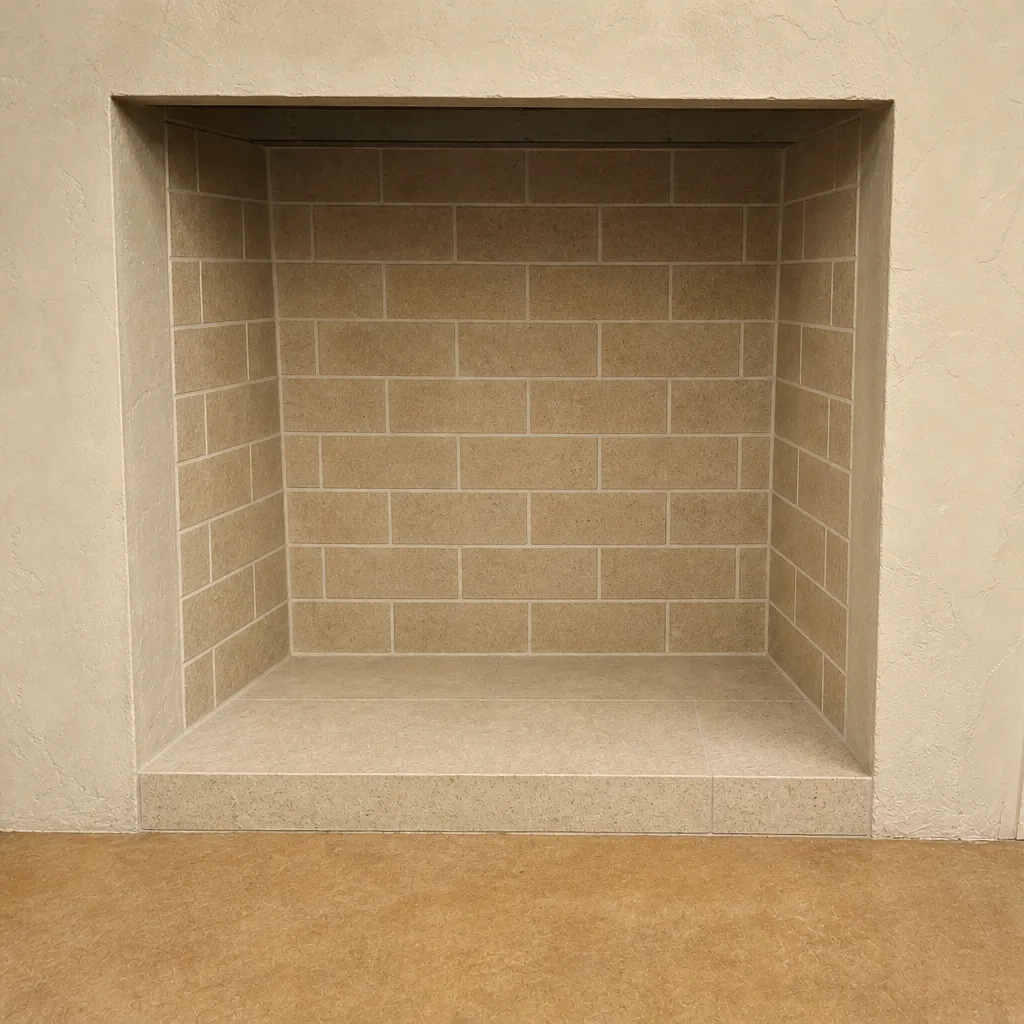 After
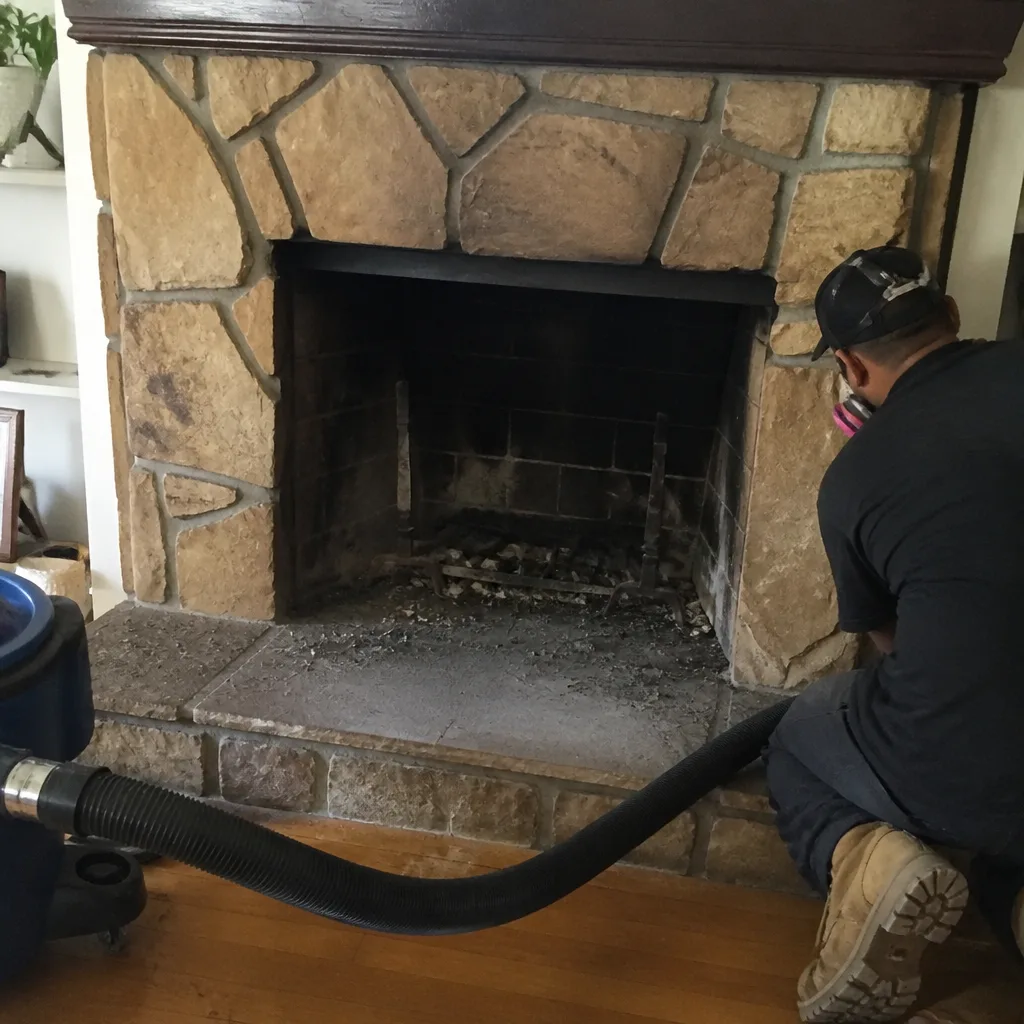 Before
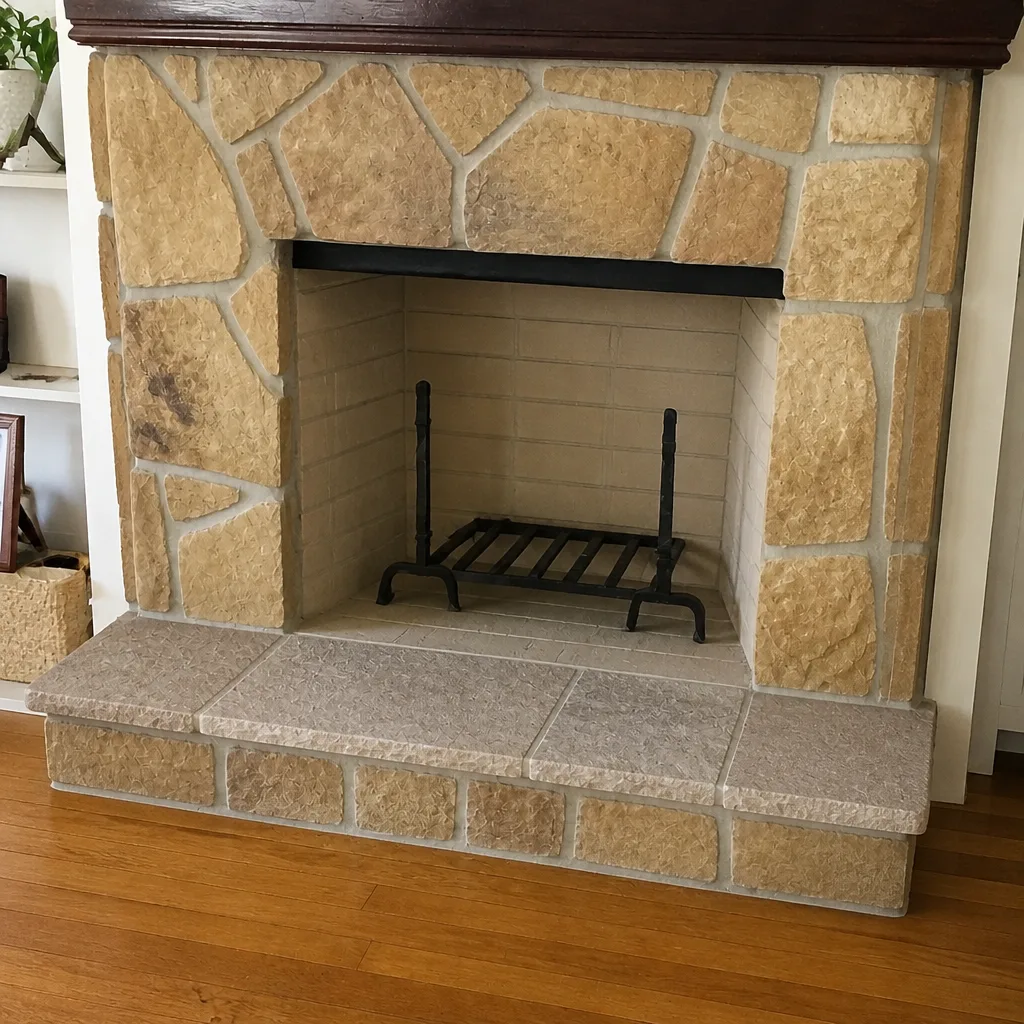 After
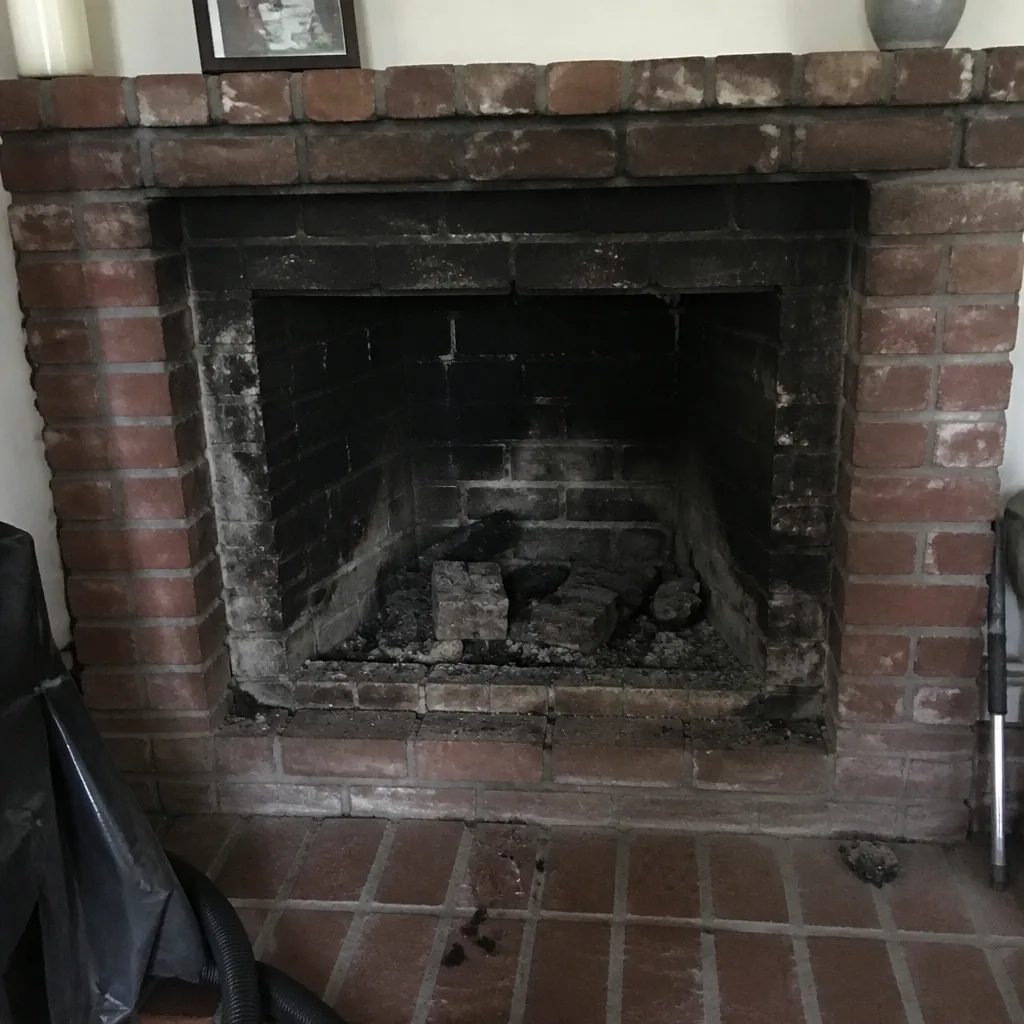 Before
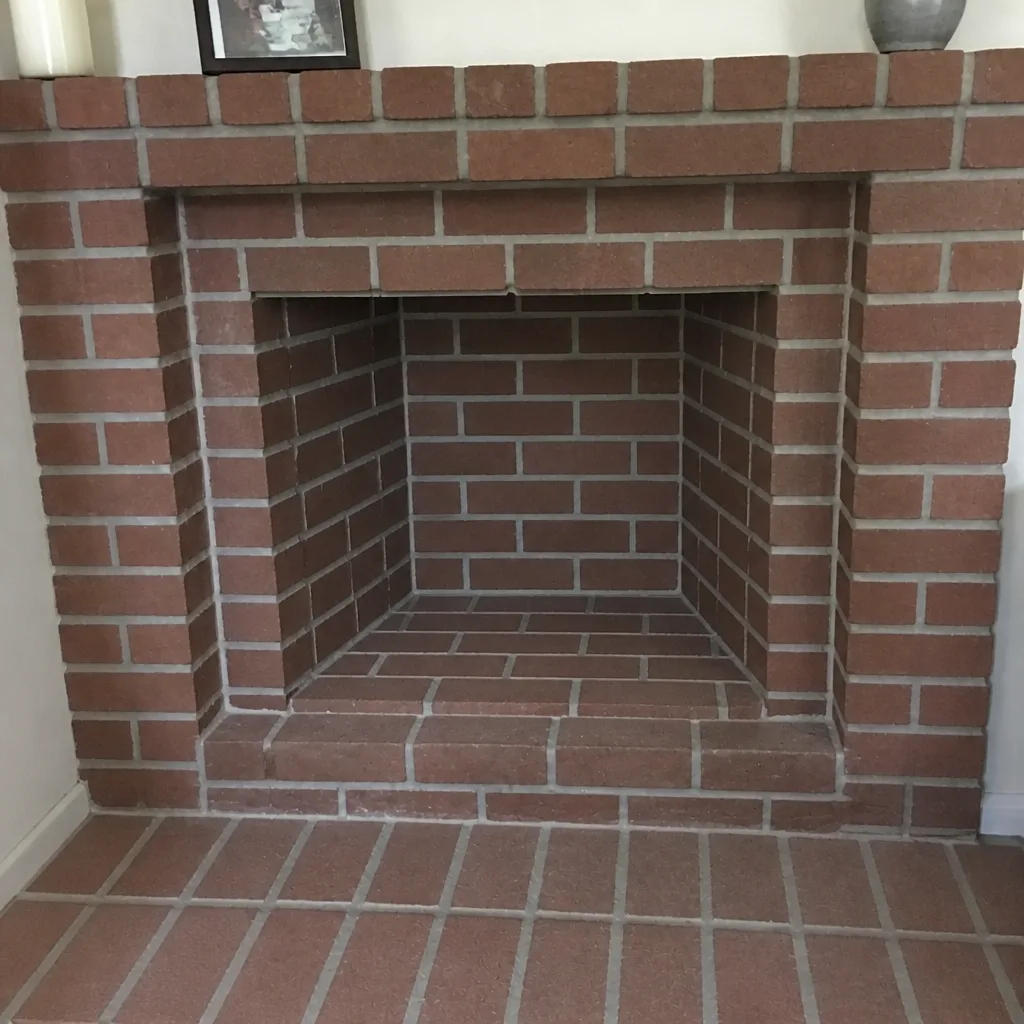 After
When to Call a Professional
Call a professional if you’ve gone more than a year without an inspection, if your fireplace hasn’t been inspected since you bought the home, or if you’ve noticed any of the following: a strong, lingering smoky odor, difficulty starting or maintaining a fire, a damper that won’t seal, visible cracking or flaking in the firebox, or soot and creosote you can see from the firebox side. Also call if you’ve had a chimney fire of any kind, even a small one – an internal fire can crack flue tiles without obvious external signs. And call before you buy a home with a fireplace you intend to use, so the inspection happens on your terms, not after closing. Orange Chimney Sweep Pros offers free estimates in Orange; call (877) 770-1853. We answer 24/7, and fast dispatch runs from 7am to 7pm, Sunday through Friday. If you already know you need repair rather than cleaning, our fireplace repair and chimney repair teams can take it from there.
Frequently Asked Questions
Chimney cleaning in Orange is priced per job by a written estimate, and the estimate is free. Cost depends on the flue length, the amount and stage of creosote, accessibility, and whether repair work is needed. Call (877) 770-1853 for an exact quote – you’ll get a flat price agreed before booking, so the invoice won’t surprise you.
Yes. In Orange’s mild, marine-influenced climate, infrequent burning is exactly what lets Stage 2 creosote harden in place between seasons, so “barely used” often means fully hardened, not clean. Annual inspection catches it before it becomes Stage 3. Call (877) 770-1853 to book a visit and find out what’s actually in your flue.
A Level 1 is a visual check of accessible parts of the chimney; a Level 2 includes a video camera inspection of the full flue interior. Most Orange homes with an unknown inspection history need the Level 2 because a visual check can’t see liner cracks or gaps. We build the camera review into the visit where it’s warranted. Call (877) 770-1853 to schedule.
Often, yes. Because we offer sweeping and repair as core services and work with systems like HeatShield resurfacing and DuraFlex liners, many issues found during a cleaning can be addressed without a second contractor. Some repairs need a scheduled follow-up, which we’ll explain. Call (877) 770-1853 for a free estimate.
Yes – a camera inspection and photo report are part of the visit. That means any recommendation comes with evidence you can see yourself, rather than a verbal claim. It also documents the condition of your system, which protects you if an insurance claim ever involves the fireplace. Call (877) 770-1853 to learn what your visit will cover.
You may not notice a difference in how your fireplace draws, but hardened creosote and hidden liner damage don’t announce themselves. Creosote buildup is the leading cause of chimney fires, and cracked or spalling flue tiles can allow carbon monoxide into the home. Neither is visible without a proper inspection. Call (877) 770-1853 to get on the schedule.
The Bottom Line
Chimney cleaning in Orange isn’t a generic brush-out – it’s a service shaped by our mild, marine-influenced climate, where infrequent burning lets creosote harden faster than heavy use does elsewhere. A complete visit runs from the cap and crown through the flue, smoke chamber, and firebox, with a camera inspection and photo report that show you the evidence behind any recommendation. Choose a full-service chimney specialist who can both clean and repair, verify the inspection level you’re getting, and keep your cleaning report. And if work can safely wait, you’ll hear that, too. To book a visit, call (877) 770-1853 for a free estimate. We answer 24/7, with fast dispatch from 7am to 7pm, Sunday through Friday.
Written by the team at Orange Chimney Sweep Pros.