
Last updated November 25, 2026
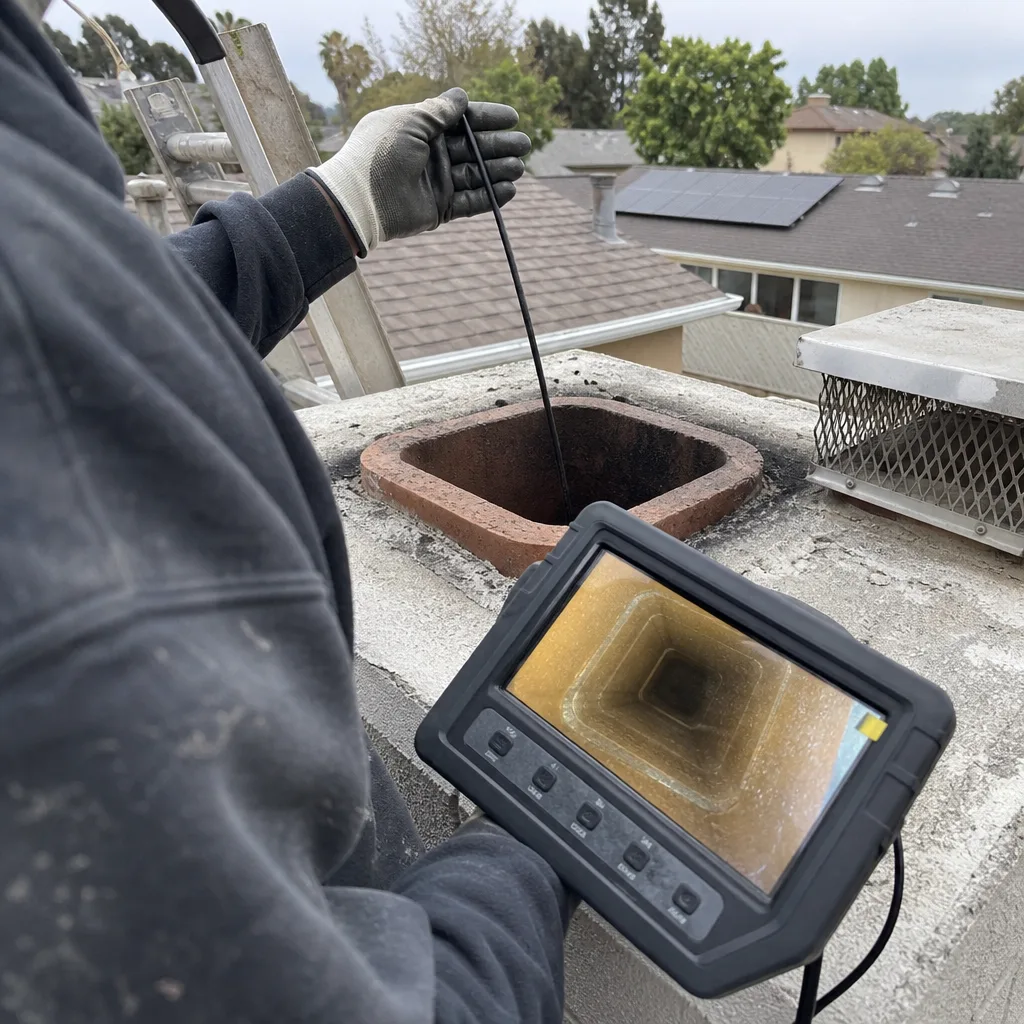
 Sweep & inspection
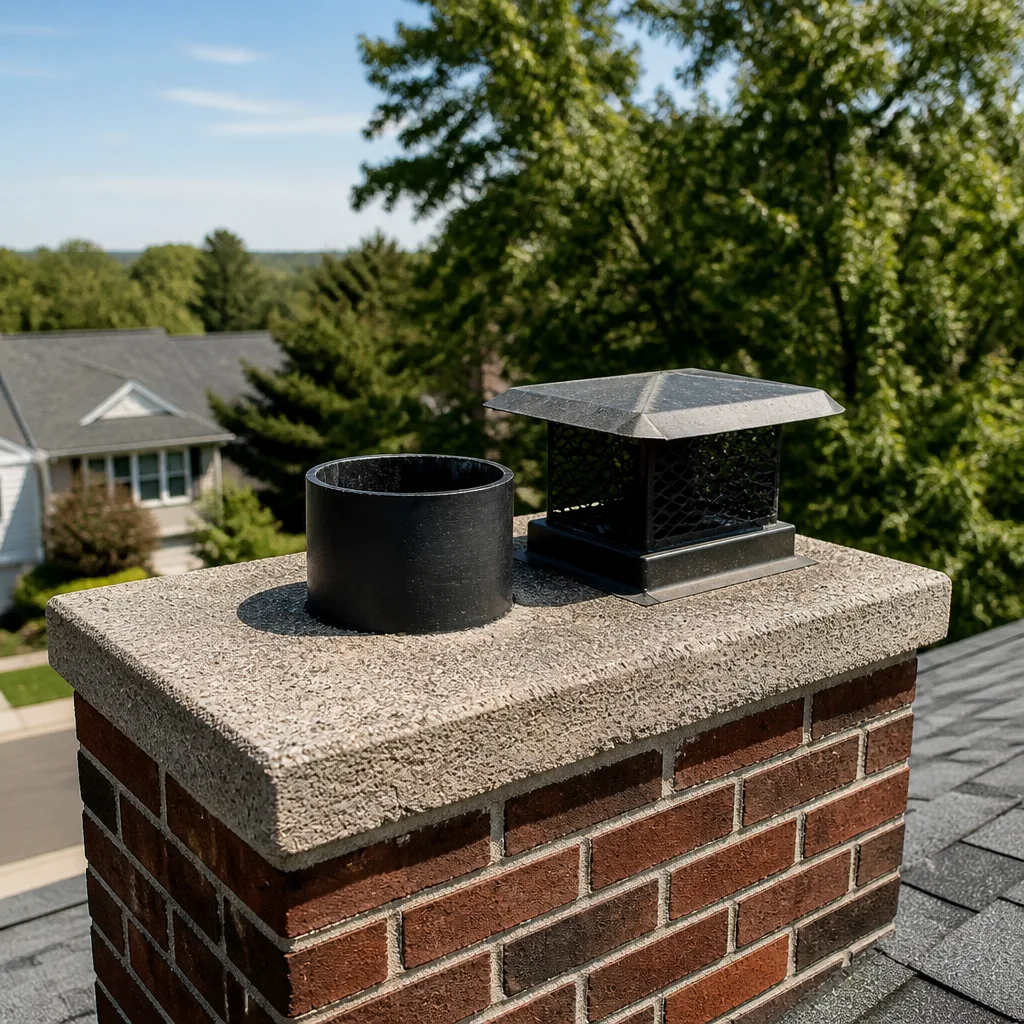
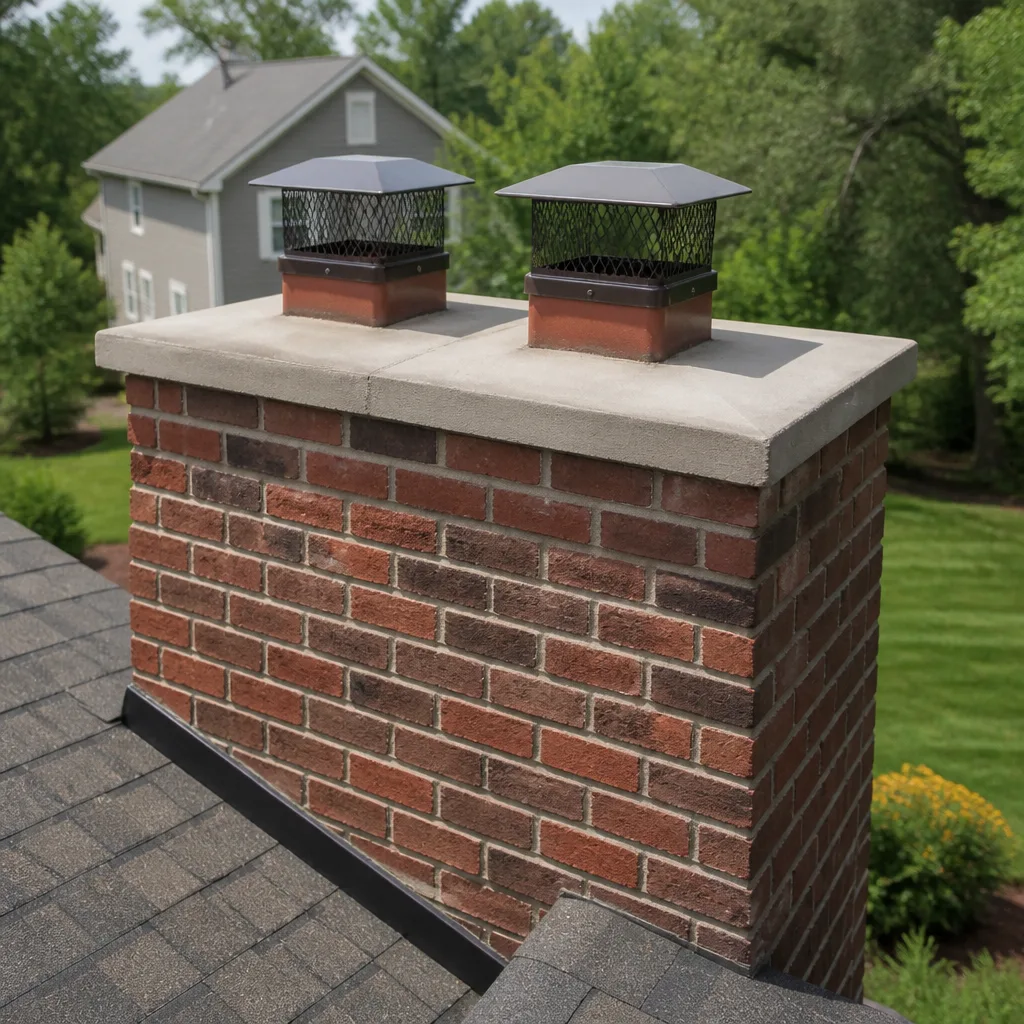 Caps & crowns
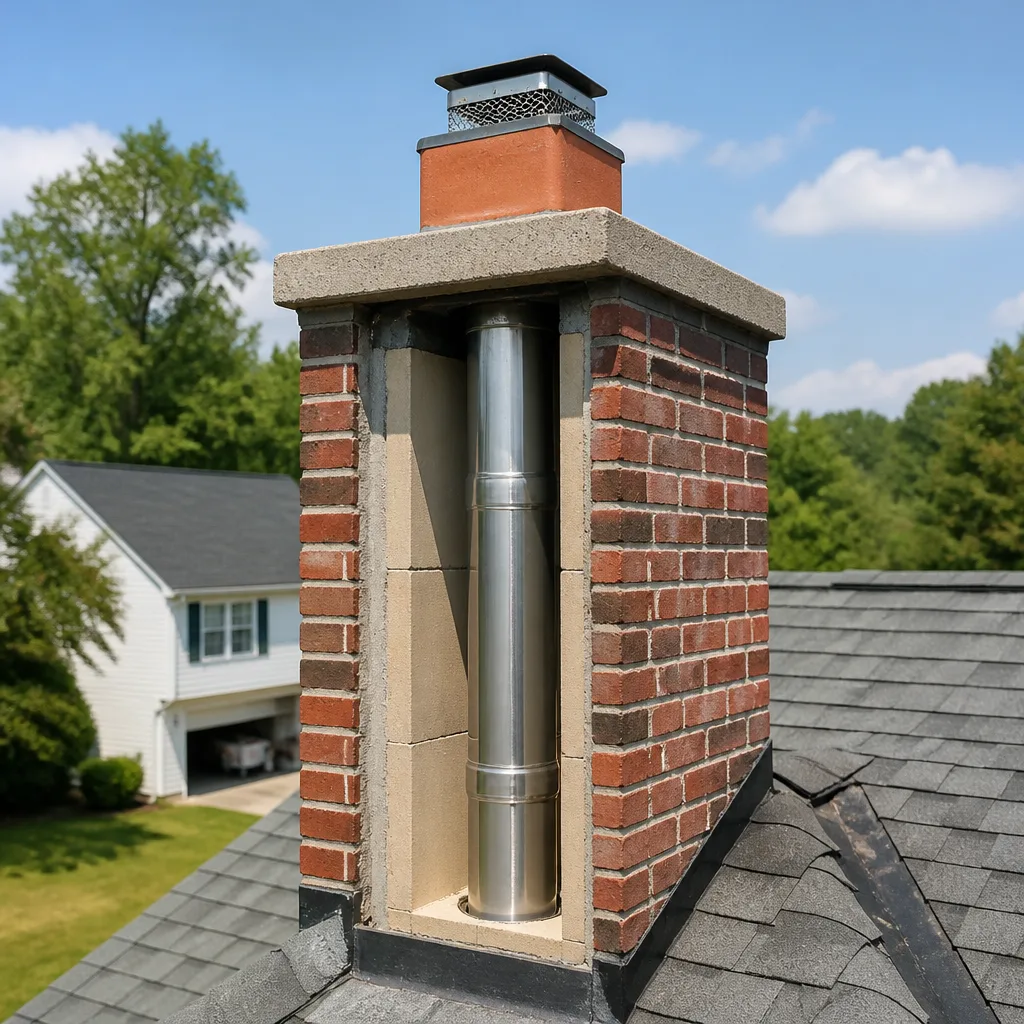 Flue relining
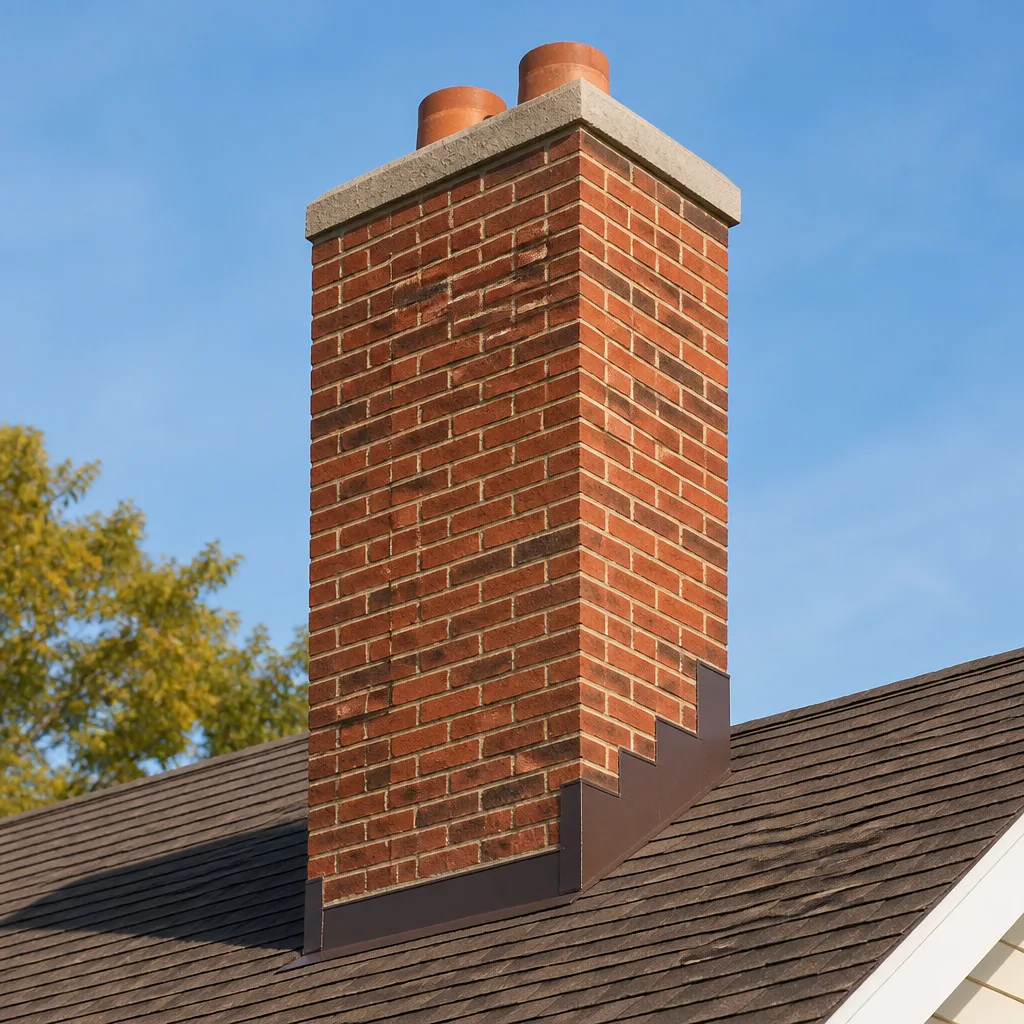 Masonry repair
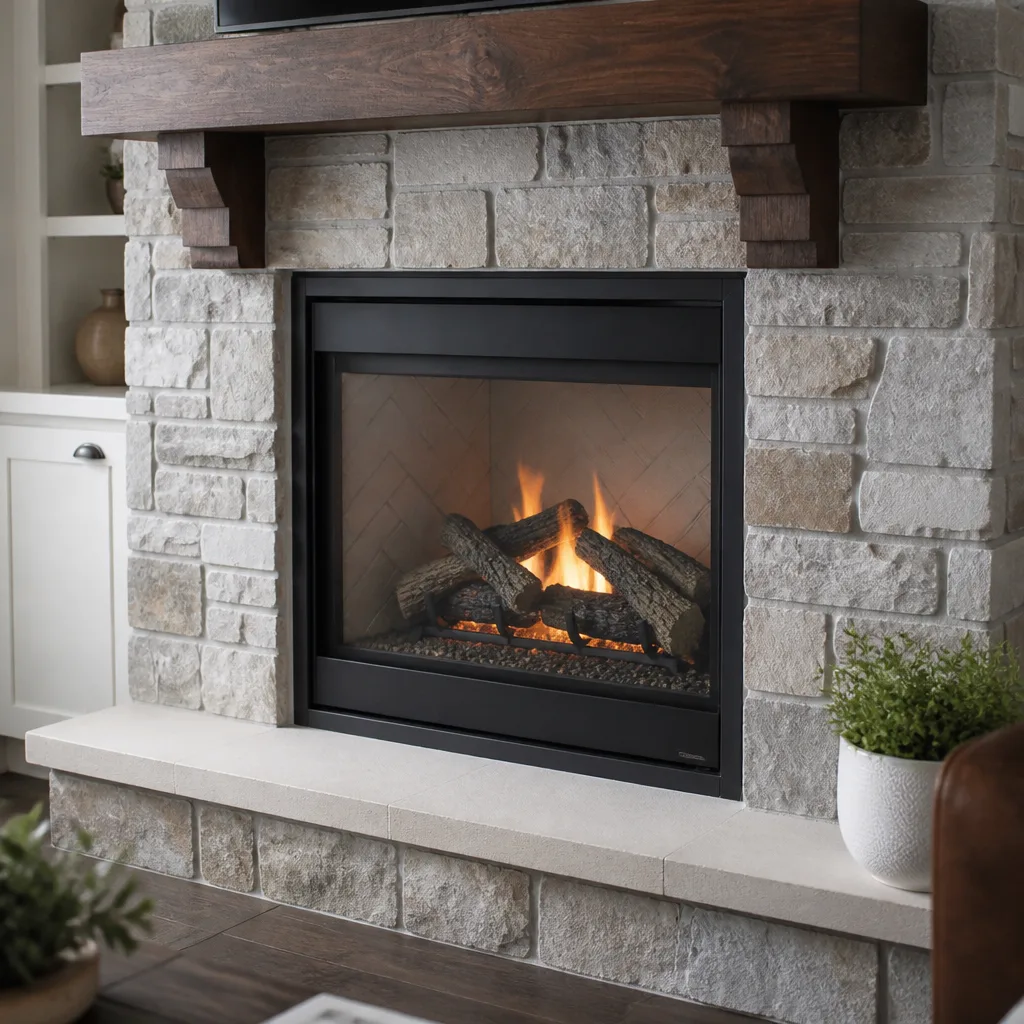 Gas fireplace service
Level 1 sweep and inspection to the NFPA 211 annual standard - flue, crown, cap, and flashing checked and photographed
Chimney sweep logs do not sweep chimneys. They loosen some creosote - which then falls where a brush and vacuum still have to collect it.
Seasonal Chimney Cleaning Care for Orange: Year-Round Homeowner’s Guide
Most chimney care advice you’ll find online was written for places with real winters. It tells you to book a sweep in fall, before the snow flies, and then forget about your chimney until next year. Orange doesn’t work that way. In Southern California, your fireplace sits idle through months of heat and coastal humidity before you light the first fire, and that long dormancy creates a different set of hazards than a cold-climate freeze does. The risk windows here aren’t winter. They’re the transitions into and out of fire season, when a year of quiet debris meets sudden heavy use. This guide walks through chimney care in Orange month by month, so you know what to check, when to book, and why the shoulder seasons matter more than the holidays.
Quick Answer
Chimney care in Orange follows an inverted calendar: the most important inspection happens in late summer and early fall, after months of dormancy, not in the dead of winter. Schedule professional cleaning and inspection in September or October, monitor creosote and ash buildup while you’re burning between November and February, and seal the chimney properly in early spring so mild-weather moisture doesn’t work its way into the flue through summer. A cap that’s intact and a crown that sheds water will do more for your chimney’s lifespan in Orange than any other single maintenance task.
Styles & brands we work with
- Sweep & inspection
- Caps & crowns
- Flue relining
- Masonry repair
- Gas fireplace service
Table of Contents
- Why Chimney Care in Orange Runs on a Different Calendar
- Pre-Season Prep: September and October
- In-Season Care: November Through February
- Post-Season Protocol: March and April
- Summer Dormancy: The Tasks Most Homeowners Skip
- Wildfire Smoke and a Dormant Chimney
- What’s Different About Homes Around Orange
- Common Mistakes to Avoid
- When to Call a Professional
- Frequently Asked Questions
Why Chimney Care in Orange Runs on a Different Calendar
In Chicago, the chimney is worked hard and then abandoned for a short, cold stretch. In Orange, it’s the opposite. A wood-burning fireplace here might see real use for three or four months and then sit completely idle for the rest of the year. That idle time is when a surprising amount of damage happens, and it’s the part of chimney care that most seasonal guides ignore.
Two forces drive it. The first is debris accumulation. When a flue isn’t carrying smoke, it becomes a quiet collection point. The second is moisture. Orange’s inland-adjacent climate swings between dry heat and humid marine-layer mornings, and that swing puts steady pressure on masonry and sealant even when no rain is falling. Between those two forces, a chimney in Orange can visibly decline over a single dormant season, and the owner may never notice because nothing is burning.
That’s why the shoulder seasons matter so much. The October inspection catches whatever settled during dormancy before the first fire. The March inspection catches whatever the burn season left behind before the chimney closes up. Everything in between is monitoring. Get those two checkpoints right and you’ll rarely find yourself facing a big repair surprise.
At Orange Chimney Sweep Pros, we handle sweeping, inspection, fireplace repair, chimney repair, and cap and crown installation as one service, from the firebox to the cap. If a sweep turns up a problem, the same visit is where it gets solved. That’s the point of a full-service chimney specialist, and it’s how we approach every job in Orange.
Pre-Season Prep: September and October
The single most valuable chimney appointment you’ll make all year in Orange is the one in late summer or early fall. A year’s worth of dormancy produces things a fireplace owner needs to see and clear before lighting a match.
What to look for before the first fire
After months of sitting quiet, a chimney can collect a surprising list of unwanted occupants and materials. Here’s what a pre-season walkthrough should cover:
- Creosote: Even a modest amount of last season’s residue can harden into glazed creosote during a hot summer, and glazed creosote is the kind that ignites.
- Nests and pest intrusion: Birds, squirrels, and wasps treat an uncapped flue as prime real estate. Nests are a fire hazard and a blockage.
- Debris and leaf litter: Palm fronds, twigs, and blown dust settle on the smoke shelf and at the top of the flue.
- Downdraft and cap condition: A damaged cap lets water in and lets smoke back into the room when the fire first lights.
- The damper: A damper that no longer opens smoothly or seals properly is a draft problem and an efficiency problem.
Your September checklist
- Look at the chimney cap from the ground with binoculars. Is it intact, is it level, is anything visibly nesting in it?
- Open the firebox and look up with a flashlight. You’re checking for visible blockage, animal activity, and any obvious gap in the flue.
- Test the damper by hand. It should open and close smoothly and sit flush when closed.
- Schedule your cleaning and inspection before the first cool evening. Once the first fire gets lit, everything that was sitting in the flue goes up the stack.
This is also the moment when a proper chimney sweep pays for itself many times over. A professional sweep does two things most homeowners can’t: it reaches the full flue with the right brushes and rods, and it inspects what it finds. Creosote buildup is the leading cause of chimney fires, and a sweep removes it before it can ignite. If your liner has damage that can be resurfaced with HeatShield, that conversation belongs in October, when you have time to plan.
In-Season Care: November Through February
During the burn months, your job is monitoring, not maintenance. Professional cleaning happens before and after; the in-between months are about noticing problems early and handling ash intelligently in a dry climate.
Monitoring a working fireplace between visits
- Watch smoke behavior. Smoke that puffs back into the room instead of drafting up is the earliest warning sign of a partial blockage or a closed damper.
- Listen for the roar. A fire that sounds unusually aggressive and pulls harder than normal may indicate excessive creosote in the flue.
- Check the firebox for cracks. Small hairline cracks are common, but any crack that’s opened up or a firebrick that’s shifted is a reason to pause use.
- Watch for burnt odor or soot on the glass doors. Gas fireplaces that develop soot on the glass are usually telling you the flame pattern has changed, which is worth a call.
Safe ash management in a low-rainfall climate
Ash management matters more here than most people think. In dry Southern California conditions, an ash bin left near the home is a small but real fire surface. Empty it into a metal container only, and never into a paper bag or a plastic bin. Store the container outside, away from the wall, on a hard surface. Keep a few inches of ash on the firebox floor as natural insulation; more than that and you’re just reducing your fire’s efficiency. Don’t spread ash in a garden here during fire season. When in doubt, bin it.
When to pause use
Stop using the fireplace if you see any of these: visible cracks in the flue, a strong creosote smell even when the fire is out, soot streaks on the masonry around the firebox, or a chimney that’s visibly leaning. Any one of them is a call-the-professional signal. A fireplace repair visit is usually the quickest way to sort it out.
Post-Season Protocol: March and April
The March and April window is the most misunderstood part of chimney care in Orange. Homeowners shut the damper after their last fire and don’t think about the chimney again until fall. That’s a mistake. Closing up a chimney improperly after a mild SoCal winter traps moisture in the flue, and that moisture is what accelerates liner degradation all through spring and summer.
Why a proper close-out matters
Here’s the mechanism. During the burn months, your flue absorbs heat and expands slightly. When you stop using the fireplace, the flue cools, and any moisture in the masonry begins to condense on the interior surfaces. In a colder climate that moisture freezes and expands, which is a separate problem. In Orange it just sits there, warm and damp, which softens the mortar over open seasons. A post-season cleaning removes the residue that holds moisture, and a post-season inspection catches damage while it’s still small.
The post-season close-out checklist
- Book a sweep to remove soot and creosote from the flue while the fireplace is idle.
- Inspect the firebox, damper, and smoke chamber for cracks that opened up during the burn season.
- Check the cap for the same reasons you checked it in September. Winter storms and wind do more to a cap than the summer does.
- Confirm the crown slopes away from the flue. A crown that’s level or slightly dished holds a puddle.
- Close the damper fully and check that it seats properly. A partially open damper lets moisture in and small critters in with it.
If March clean-out reveals liner damage that’s still reversible, this is where chimney repair beats replacement. We work with DuraFlex liner systems for full relining when necessary and HeatShield resurfacing when the damage is structural but the original flue is sound. A resurfaced liner is often the difference between a repair budget and a replacement budget.
Summer Dormancy: The Tasks Most Homeowners Skip
Summer is when a fireplace in Orange gets ignored, and it’s also when a couple of very specific things go wrong. UV exposure and heat cycles get to work on the parts of the chimney you can see; humidity from the marine layer gets to work on the parts you can’t.
UV and heat effects on caps and sealant
A chimney cap takes the full brunt of Southern California summers. Sealant around the flue opening can crack and peel in one season. Metal caps can discolor, and cheaper models can actually warp in sustained heat. A cracked cap or failed sealant is a direct path for water into the flue. This is the number one reason a cap inspection in July is worth more than the same inspection in December.
Marine layer humidity and masonry
The morning marine layer is part of the local weather pattern, and it pushes damp air against the crown, the cap, and the upper masonry on a near-daily basis through the summer. Masonry is porous. It absorbs what’s pushed against it, and in a warm climate it holds that moisture longer than it would in a dry desert. A properly sloped crown, a sealed cap, and sound mortar joints are the barrier between the marine layer and the interior of your flue.
Summer dormancy checklist
- Check the cap and the crown from the ground at least once a month.
- Look for efflorescence, that white chalky staining on the exterior masonry – it’s a sign of moisture working through the masonry.
- Keep the damper closed completely throughout the summer.
- Clear visible debris from the top of the flue if you can do so safely from the ground. Never climb the roof to do this yourself.
- Look for rust streaks below the cap. Rust is a slow, cheap warning worth listening to.
If a summer check turns up a damaged crown or a cap that’s clearly at the end of its life, our cap and crown work is built to fix both in the same visit. Famco caps and Copperfield crowns are the two product families we reach for most often in this climate, because both hold up to heat and sun better than the builder-grade fittings on most homes.
Wildfire Smoke and a Dormant Chimney
Here’s a risk that doesn’t show up in standard seasonal chimney guides, and it matters specifically in Southern California. Wildfire smoke from surrounding areas has a real effect on a dormant chimney, and it’s not the effect most homeowners imagine.
What wildfire smoke actually does
The chimney is a vertical tube open to outside air at the top. When smoke is heavy in the area, fine ash and smoke particulates settle in the flue and on the smoke shelf, especially when the damper is closed because no fire is lit. Over the course of fire season, a dormant chimney with a slightly open damper or a damaged cap can accumulate a thin layer of very fine ash that acts as a base for the next season’s creosote. When the first fire of the year goes up, that layer combines with fresh smoke to produce creosote faster than it otherwise would. This isn’t a scare tactic; it’s mechanical. Fine ash gives creosote a rough surface to attach to.
What to do about it
- Keep the damper fully closed during heavy smoke events. If you’re not burning, there’s no reason for the flue to be open.
- If you have a cap, keep it intact. A cap is the single best defense against airborne particulate intrusion in a dormant chimney.
- After a heavy smoke season, treat the fall cleaning as more important, not less. That’s the cleaning that removes the ash layer before the burn season starts.
- Run a HEPA filter indoors during smoke events. Nothing about that has to do with the chimney, but it protects the interior environment while you’re not burning.
A professional sweep in the fall after a heavy smoke season is not optional. The Orange Chimney Sweep Pros team treats every post-fire-season cleaning as a full inspection, because that’s what the conditions call for. We inspect on every visit because skipping that step isn’t how professionals work.
What’s Different About Homes Around Orange
Chimney care here is not identical from one neighborhood to the next. Two houses in the same city can need very different maintenance schedules depending on how they were built, when they were built, and what surrounds them.
Housing stock matters
Orange has a mix of older bungalows and mid-century tract homes alongside newer construction. The older homes often have original masonry chimneys without modern liners, and those benefit from an inspection every year without exception. Mid-century homes sometimes have metal flue systems that were installed with the original build, and those can develop internal seam damage that’s invisible from the firebox. Newer homes tend to have factory-built systems with their own inspection intervals, which we follow precisely. The point isn’t to guess from the house’s age – it’s to look at the actual system on the actual property.
Property layout and prevailing wind
In the neighborhoods around Old Towne and the streets near the Plaza, homes are often tightly clustered and downwind patterns vary street to street. A chimney that’s persistently smoked out at the start of a fire may be experiencing a downdraft from a taller neighboring roofline rather than a chimney problem. A proper inspection can identify the difference, and in many cases a cap with the right venting design solves the symptom without a major repair.
Gas fireplaces are different
Gas fireplaces in Orange homes don’t produce creosote the way wood-burning fireplaces do, but they still need service. The venting system, the burner, and the glass all need periodic attention, and the appliance should be checked any time you notice a change in the flame or a burnt smell. Our fireplace work covers both wood-burning and gas, and the diagnostics are different enough that it matters who’s doing the work.
Common Mistakes to Avoid
- Skipping the fall inspection because the winter was mild. The mild winter is exactly why the fall inspection matters in Orange. A short burn season means less obvious residue, less urgency, and more chance that the homeowner simply forgets.
- Burning unseasoned wood to “save a little.” Wet wood produces more creosote than dry wood, and in this climate the residue has more months to harden before the next cleaning. Use dry, well-seasoned wood, and split and stack it early.
- Letting the damper stay partly open in summer. A partly open damper lets the marine layer in and small animals settle in. It also gives wildfire smoke an open channel into the firebox.
- Treating a slight chimney smell as normal. Any persistent odor from a cold firebox is worth investigating, especially in summer. It can mean moisture, animal activity, or creosote that’s holding on.
- Trusting a sweep that doesn’t inspect. A cleaning without an inspection is only half the job. Our standard is to inspect on every visit.
- Doing roof-top checks yourself. Steep-pitch roofs and chimney work are not a DIY category. Height work on a chimney is one of the few places where an injury is likely to be serious.
- Ignoring the crown because you can’t see it from the driveway. The crown is the concrete top surface that sheds water. A hairline crack in the crown becomes a water channel into the masonry over a single summer.
When to Call a Professional
Some things about your chimney can be checked from the ground floor with a flashlight. Others genuinely warrant a call, and the list is short enough to keep in mind.
Call in if you see or smell any of the following: persistent smoky odor in an unused fireplace, soot streaks on the firebox masonry, cracked tiles or firebrick, a visible gap in the flue, a damper that won’t open or seal, a chimney that’s leaning, a cap that’s cracked or missing, water stains on the ceiling near the chimney, or a fireplace that smokes back into the room. Also call in if it’s simply been more than a year since the last professional visit. A chimney that’s been cleaned and inspected within the last twelve months is a chimney you don’t need to worry about.
A properly timed pre-season inspection in September solves most of the problems this guide covers, and Orange Chimney Sweep Pros offers free estimates in Orange. Call (877) 770-1853. We answer 24/7, with fast dispatch from 7am to 7pm, Sunday through Friday. Our technicians have up to 13 years of experience, and we work with the products that hold up in this climate.
Frequently Asked Questions
Once a year for most wood-burning fireplaces, plus an inspection. In Orange specifically, the fall cleaning matters more than a spring cleaning because a year of dormancy collects debris and pest activity that a colder climate’s short burn season tends to hide. If you burn frequently through the cooler months, an annual pre-season cleaning and inspection is the standard, and a secondary check is worth booking if you see any warning signs mid-season.
Both matter, but for different reasons. The fall cleaning is the safety-critical one because it happens before the first fire and removes everything that collected through summer. The spring cleaning is the protective one because it removes creosote and moisture that would otherwise sit in the flue all summer. If you can only book one, book the fall. If you can book both, book both – they’re protecting you from two different problems.
Yes, in this climate. A cap does four things: it keeps rain out, it blocks pest intrusion, it stops wildfire smoke and fine ash from settling in a dormant flue, and it reduces downdraft. A damaged or missing cap is the most common cause of preventable chimney damage we see. Famco and Copperfield caps are both built for the local heat-and-humidity swings, and a properly installed cap typically outlasts several seasons of sealant repairs.
No. Summer is when the cap, the crown, and the sealant take the most UV and heat damage, and it’s when the marine layer pushes the most damp air into the masonry. A firebox that’s not being used is a firebox that’s quietly soaking up moisture. A monthly visual check from the ground and a proper inspection before the fall cleaning catches nearly every problem while it’s still small.
The most common outcomes are creosote buildup that raises your chimney fire risk, liner damage that starts as a hairline crack and becomes a full replacement, and a crown that’s degraded enough to admit water into the masonry. Any one of those is far more expensive than a cleaning. Liner damage that could have been resurfaced with HeatShield may need a full DuraFlex reline instead. If it’s been two years or more since your last service, book an inspection before your next fire.
Yes, mildly, and the fix is simple. Keep the damper fully closed when you’re not burning, keep the cap in good condition, and treat the fall cleaning after a heavy fire season as more important, not less. Fine ash that settles in a dormant flue gives creosote a rougher surface to attach to, which means the first fire of the next season produces creosote faster than it otherwise would. Call (877) 770-1853 for an exact quote – estimates are free.
The Bottom Line
The chimney care advice you’ll find online is written for cold climates, and Orange isn’t one. Here, the risk windows sit at the transitions – the September inspection before your first fire, and the March inspection before the chimney closes up for the summer. Between them, monitoring and safe ash habits keep a working fireplace in good shape, and a proper summer check of the cap and crown heads off most of the damage that dormancy would otherwise do. Handle those checkpoints, keep your damper closed, and treat the local weather patterns with respect, and your chimney will quietly do its job for a long time. When something feels off, call.
Call (877) 770-1853 for a free estimate. We answer 24/7. Fast dispatch from 7am to 7pm, Sunday through Friday. We’re closed Saturday.
Written by the team at Orange Chimney Sweep Pros.
See the difference
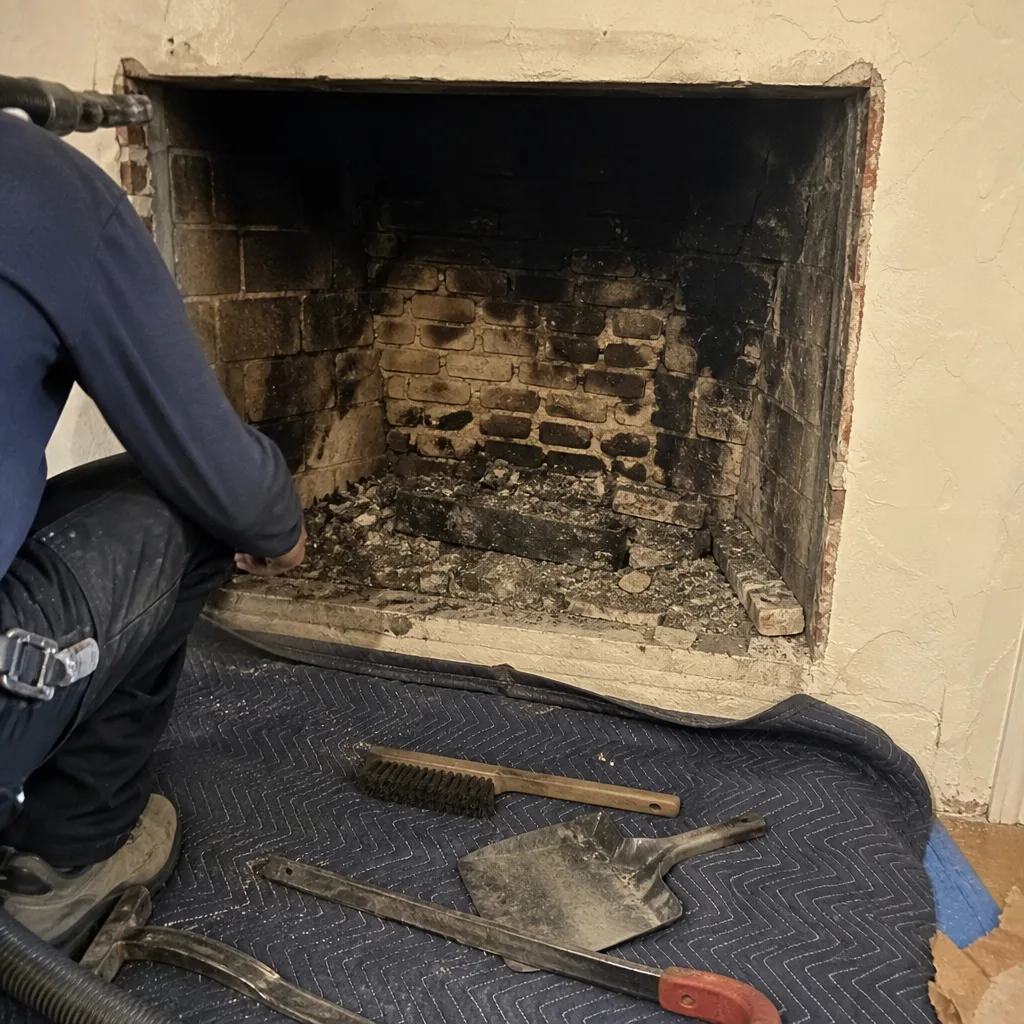 Before
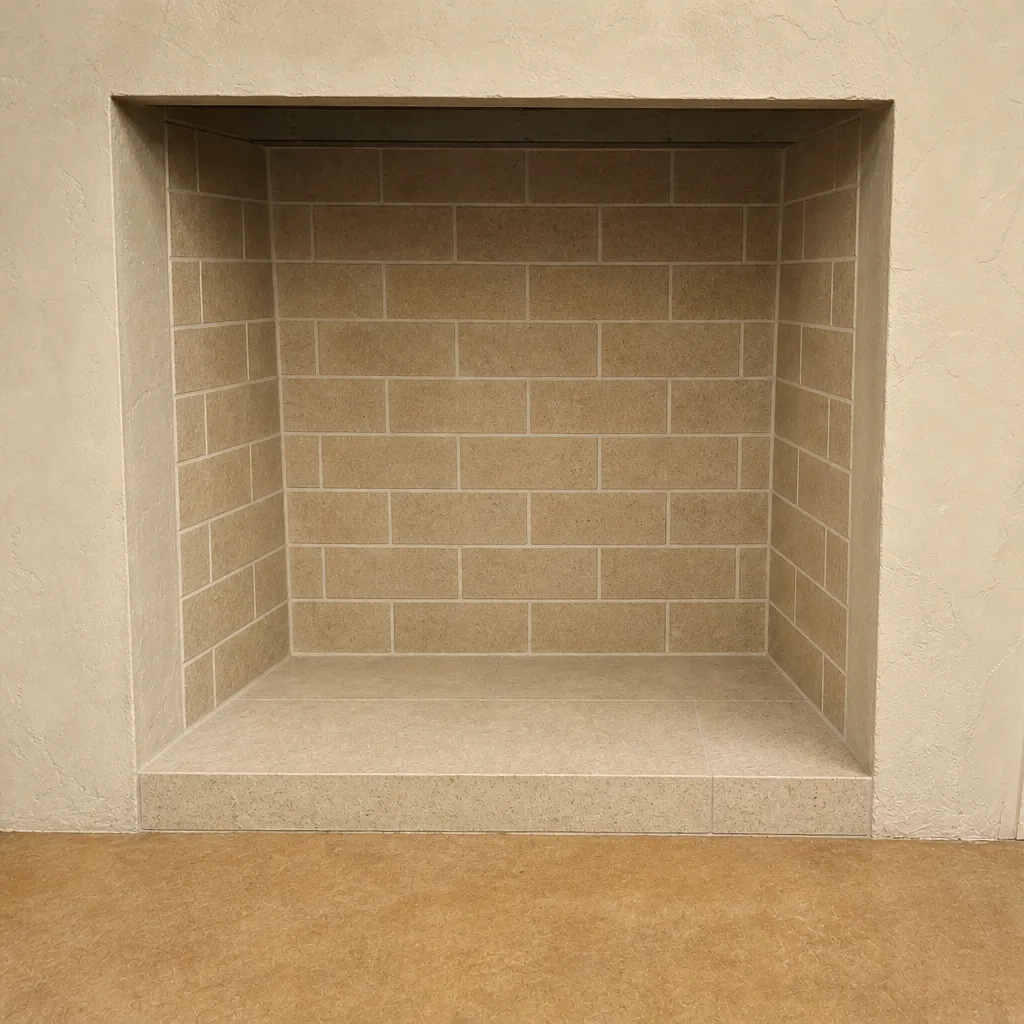 After
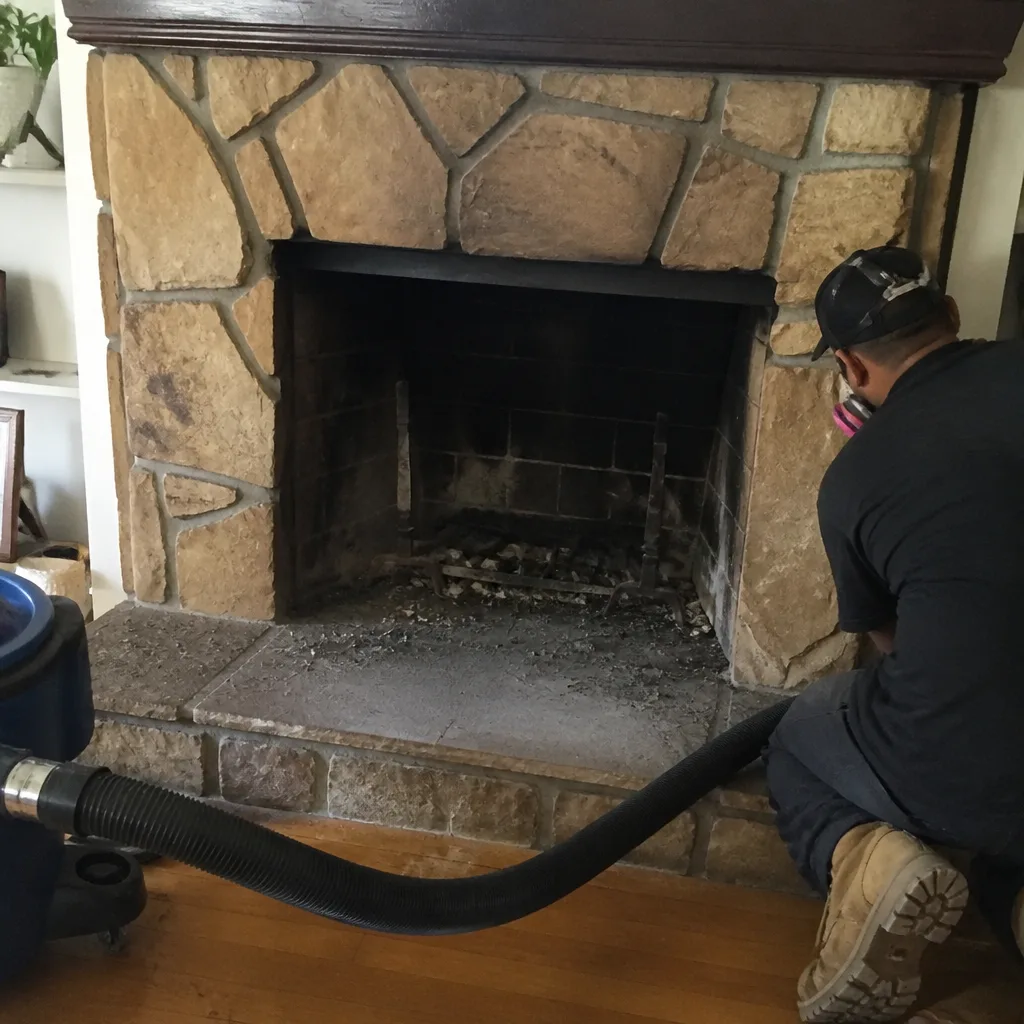 Before
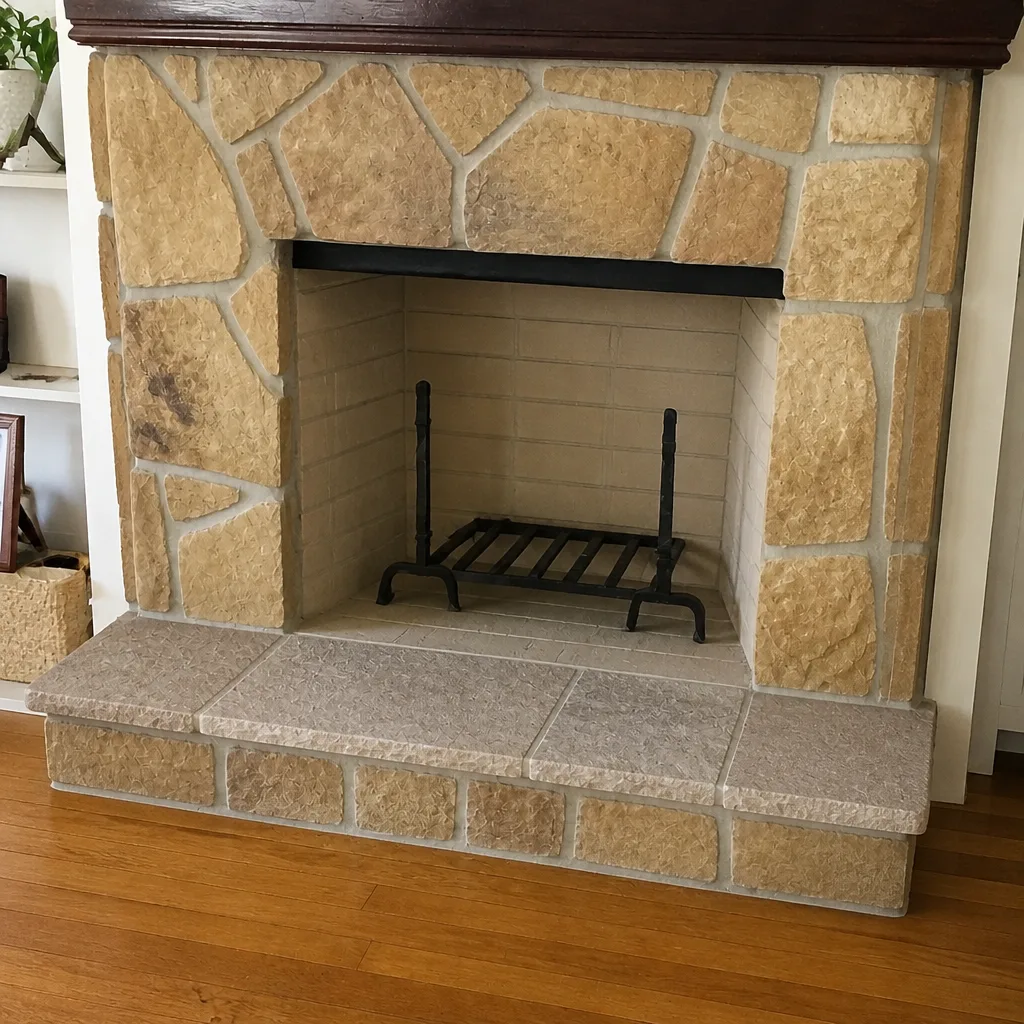 After
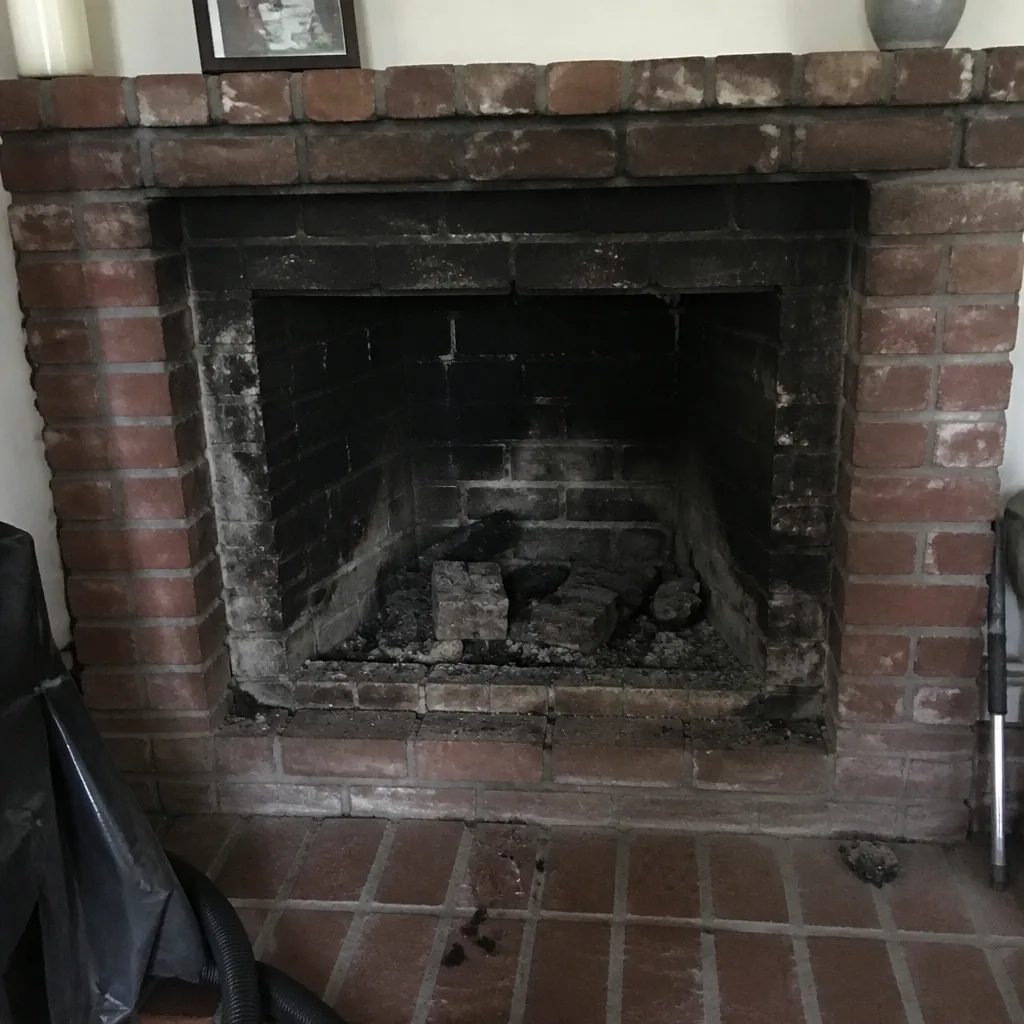 Before
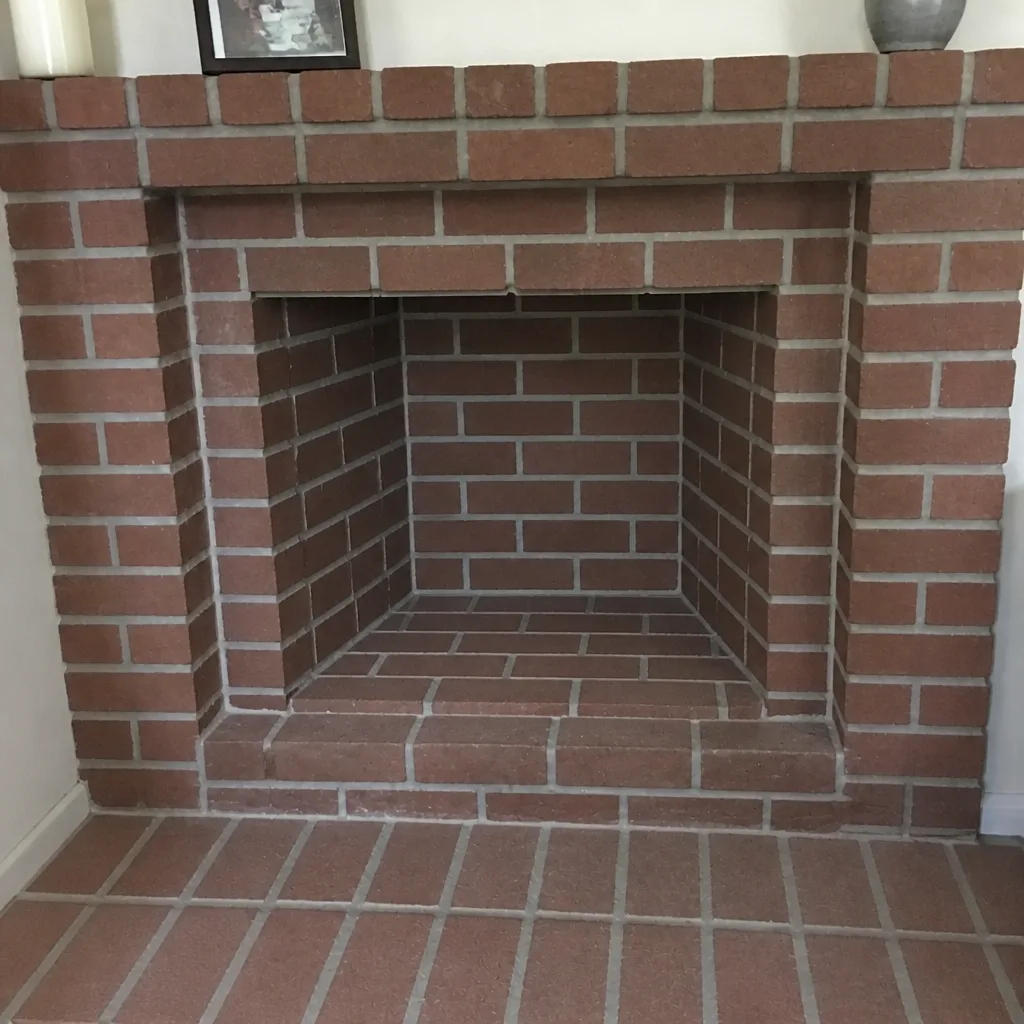 After