
Last updated November 25, 2026
 Sweep & inspection
 Caps & crowns
 Flue relining
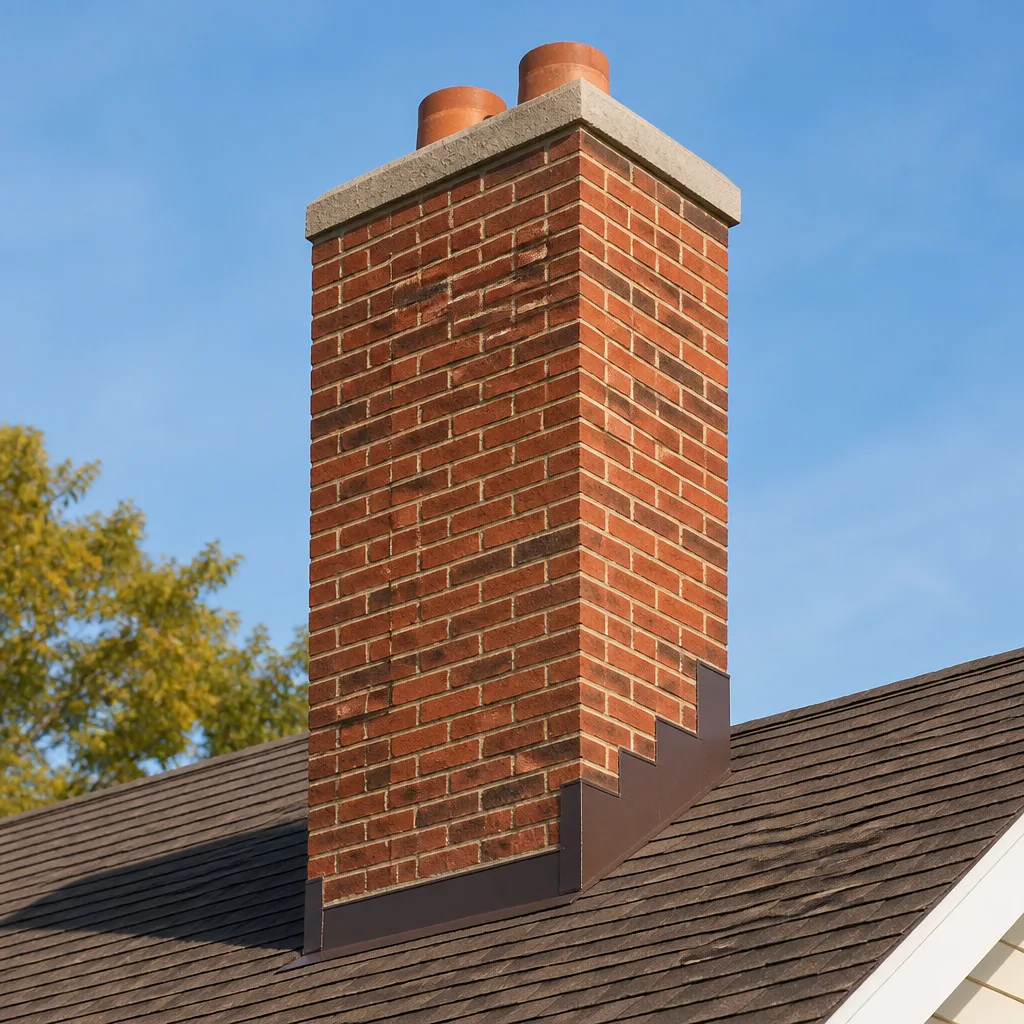 Masonry repair
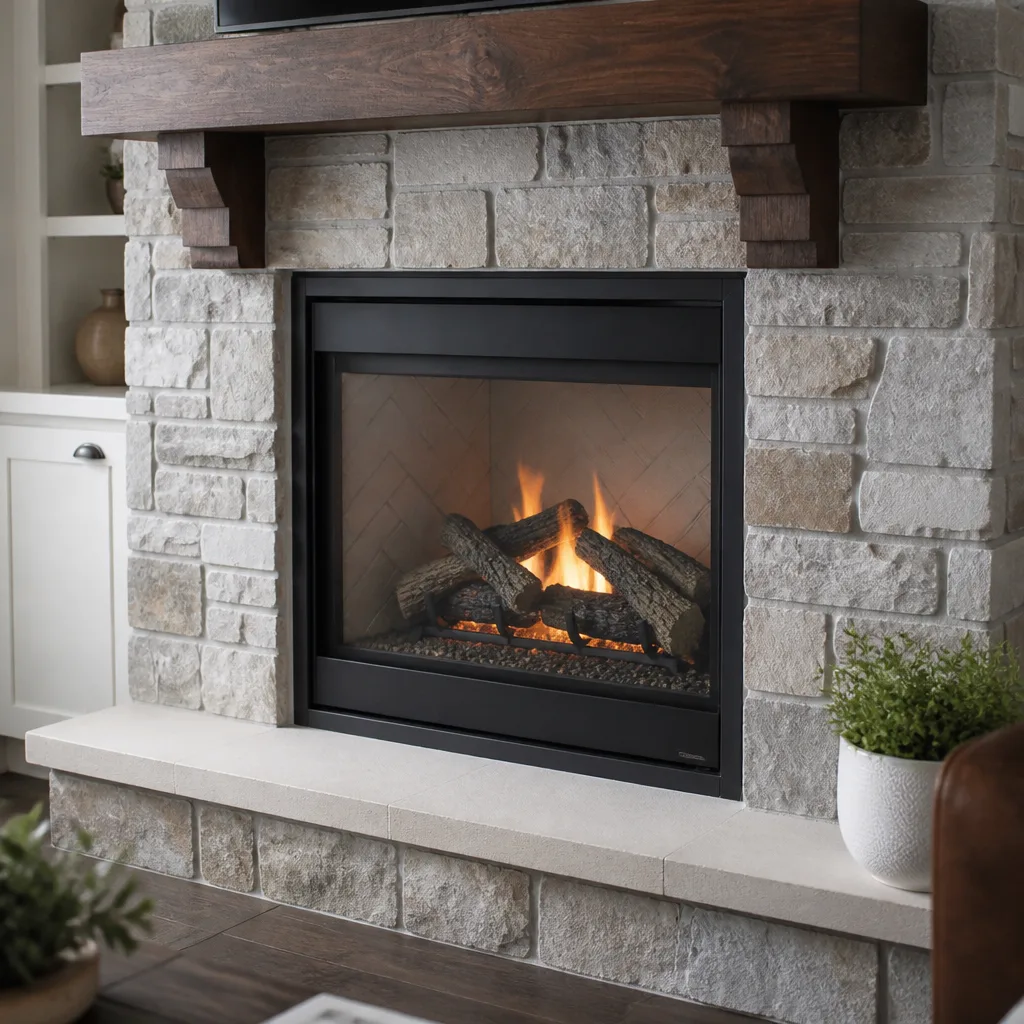 Gas fireplace service
Level 1 sweep and inspection to the NFPA 211 annual standard - flue, crown, cap, and flashing checked and photographed
Chimney sweep logs do not sweep chimneys. They loosen some creosote - which then falls where a brush and vacuum still have to collect it.
DIY vs Professional Chimney Cleaning: The Orange Homeowner’s Decision Guide
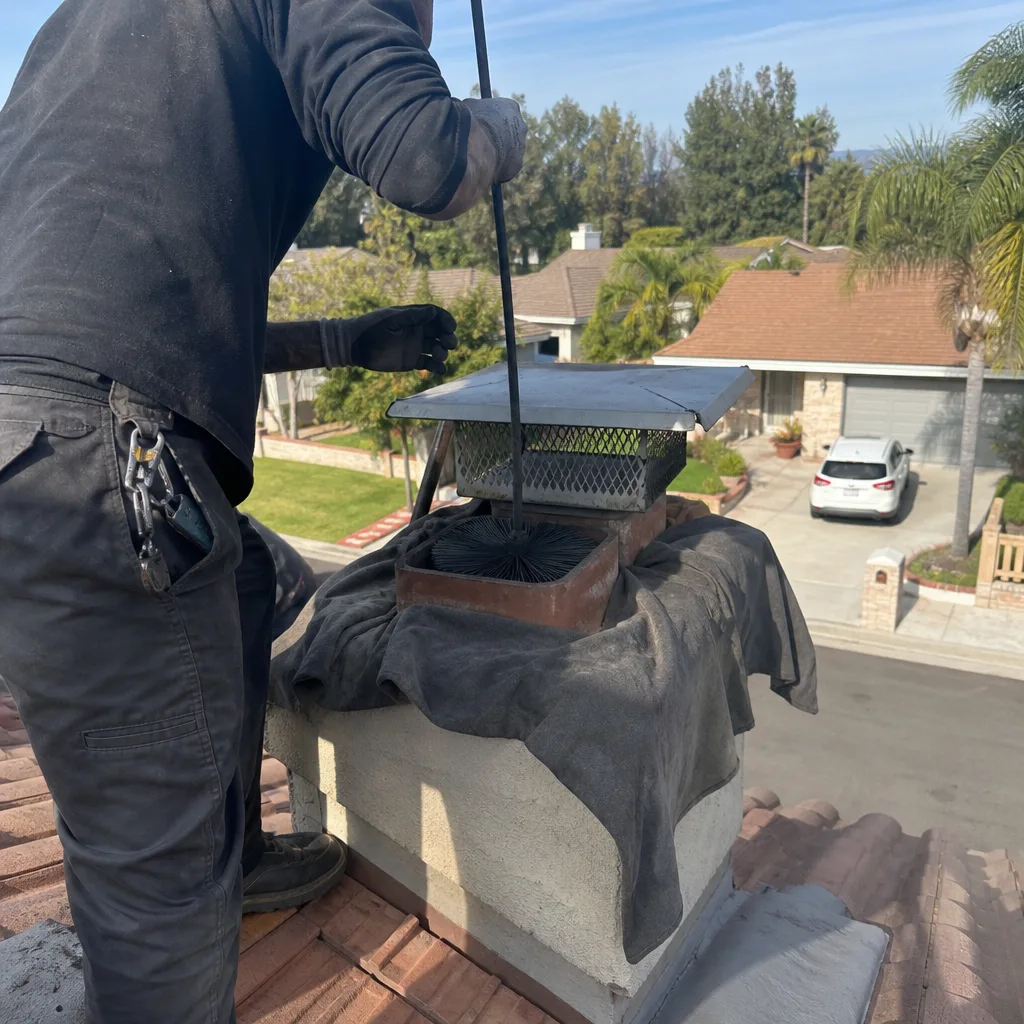
Chimney brushes cost about $40 online, and they work. That’s the uncomfortable part of this conversation. A motivated homeowner with a ladder, a rod kit and an afternoon can physically remove soot from a flue. But cleaning is maybe 20 percent of what a professional visit actually accomplishes. The other 80 percent is diagnosis: the smoke chamber, the crown, the mortar joints, the liner condition, the cap. None of that shows up on a brush. In Orange, where fireplaces sit idle for months and then burn hard in December, that diagnostic gap is where real problems hide. This guide lays out what you can responsibly do yourself, what you shouldn’t, and where the line actually falls.
Styles & brands we work with
- Sweep & inspection
- Caps & crowns
- Flue relining
- Masonry repair
- Gas fireplace service
Quick Answer
Professional chimney cleaning is the right call for most Orange homeowners because the sweep itself is the cheap part; the inspection, camera review and structural assessment are what protect your home and your insurance claim. DIY brushing can handle light surface soot between professional visits, but it cannot detect Stage 2 creosote, cracked flue tiles, a failing crown or a damaged liner. If your chimney hasn’t been professionally inspected in the last year, book the visit first and decide about DIY after.
Table of Contents
- What a DIY Cleaning Physically Can and Cannot Accomplish
- The Orange-Specific Risks of Going It Alone
- What It Actually Takes to Match a Professional Result
- Tasks That Are Genuinely Reasonable to Self-Perform
- The Insurance and Liability Dimension
- DIY vs Professional: A Realistic Cost Comparison
- A Decision Framework for Orange Homeowners
- Common Mistakes to Avoid
- When to Call a Professional
- Frequently Asked Questions
What a DIY Cleaning Physically Can and Cannot Accomplish
A chimney brush does one job well: it scrapes loose soot and light creosote from the flue walls it can physically reach. That’s a real function. It reduces the fuel load inside the flue and cuts down on the smell a dirty chimney throws into a living room. If your fireplace has seen light use and the flue is straight, a homeowner with the right brush diameter can make visible progress.
What the brush cannot do is the part that matters more. Here’s the honest breakdown:
- It reaches the flue, not the smoke chamber. The smoke chamber sits above the damper and below the flue, and its sloped walls collect creosote that a straight brush glides right past. Professionals use specialized chamber brushes and scrapers because that’s where a lot of flammable buildup lives.
- It can’t see what it’s cleaning. A brush tells you nothing about the condition of the flue tiles behind it. Cracks, gaps in the mortar joints, and spalling tile surfaces are invisible from the firebox looking up. A camera inspection is the only way to see them.
- It misses Stage 2 creosote. Stage 2 creosote is the hardened, glazed, tar-like layer that bonds to flue walls and doesn’t come off with a standard poly brush. It’s also the stage most associated with chimney fires, because it burns hot and it burns long. A homeowner brushing a flue has no reliable way to know whether what’s left behind is Stage 2.
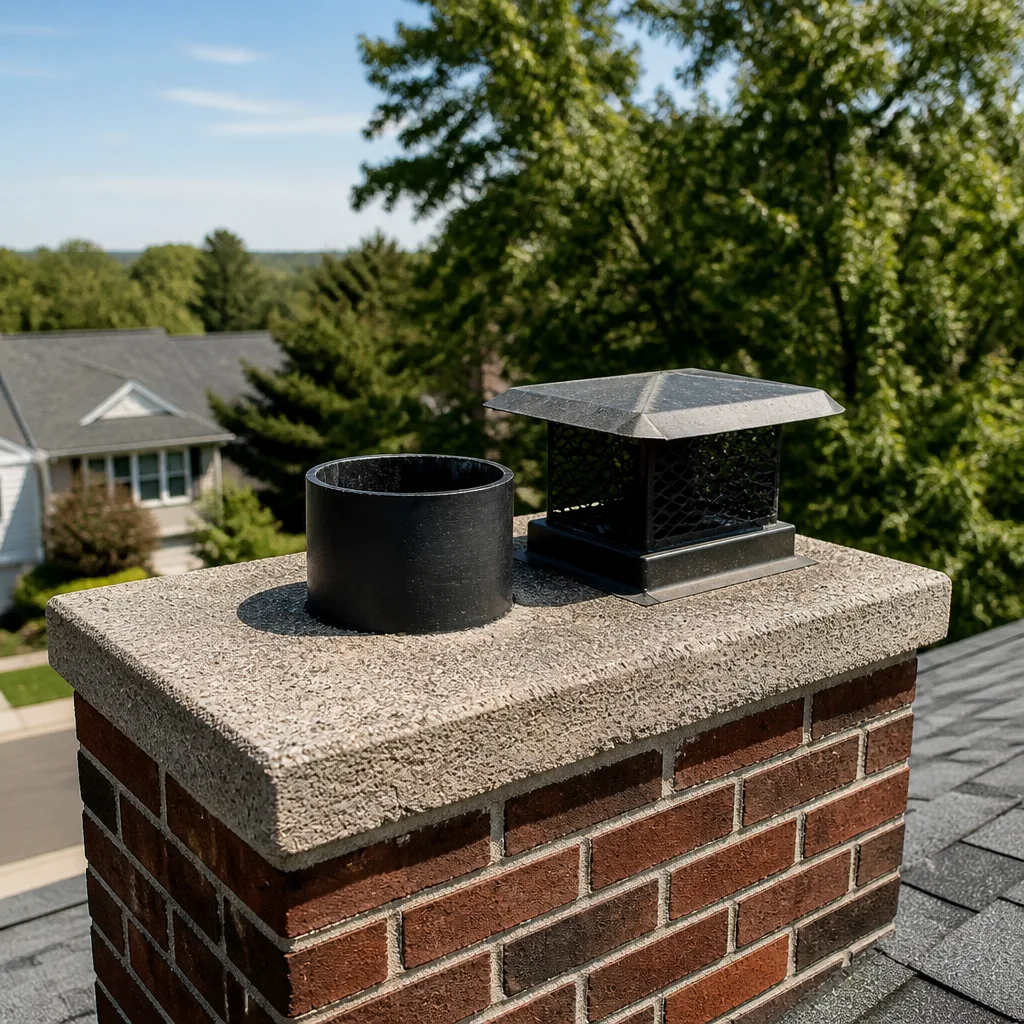
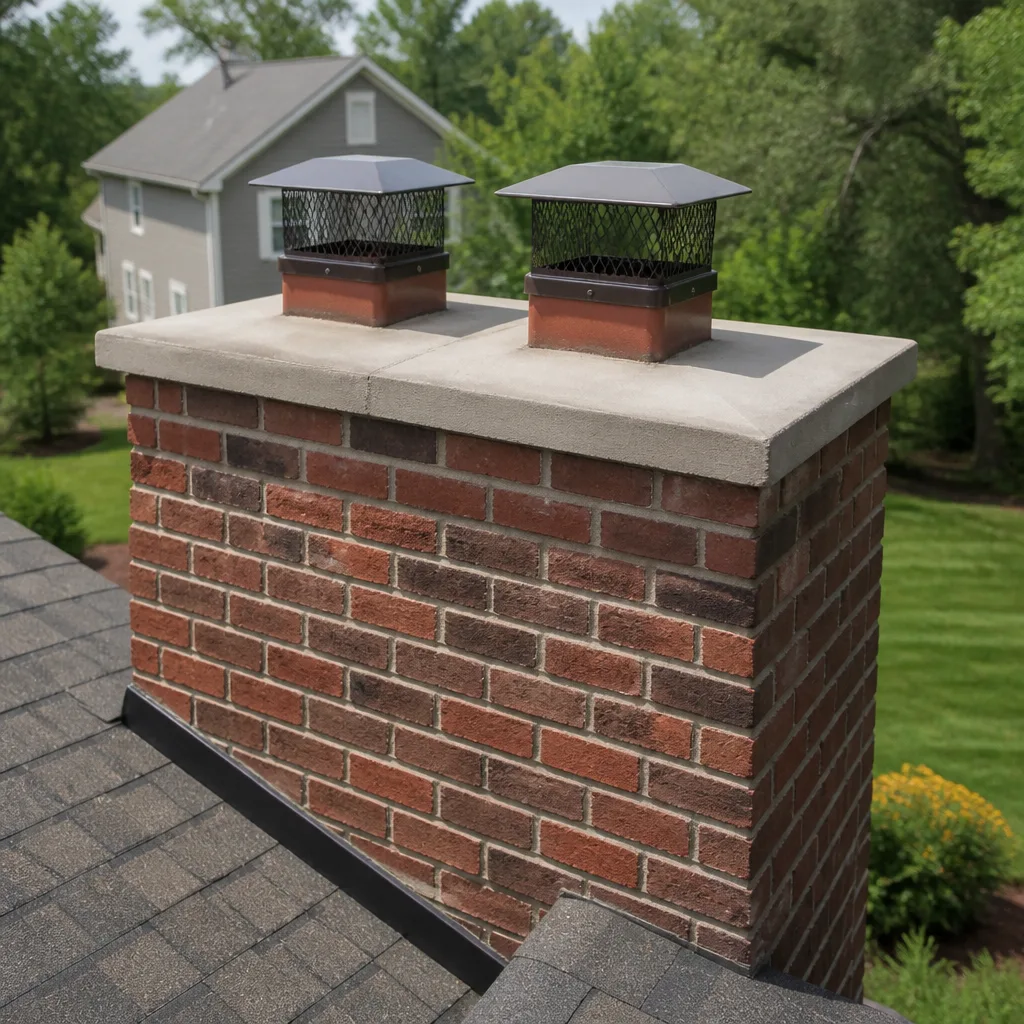
- It doesn’t address the crown, cap or flashing. Those are exterior components. A brush inside the flue has zero contact with the waterproofing layer that protects the masonry.
- It can’t produce a record. There’s no documentation of condition, no photo report, no baseline for next year’s comparison.
This is the core reason we treat a chimney sweep as an inspection with cleaning attached, not the other way around. The cleaning is the visible service. The assessment is the reason it exists.
The Orange-Specific Risks of Going It Alone
Orange isn’t a hard-freeze climate, and it isn’t a coastal salt-air climate. Winters are mild. That combination shapes the chimney problems that actually show up here, and it shapes why skipping professional eyes year after year carries more risk than it would in a colder market.
Long dormancy, then heavy use. Many Orange fireplaces sit unused from spring through fall, then see steady burning from Thanksgiving into February. That pattern is harder on a chimney than year-round light use. Moisture settles into masonry during the idle months, and the first hot fires of the season stress the flue before it’s warmed up. A professional inspection at the start of burning season catches what accumulated during dormancy.
Mortar and masonry stress. Southern California sits in active seismic country, and the masonry above a firebox takes cumulative stress from small movements over time. Hairline cracks in mortar joints and minor crown separation are the kinds of things a camera and a trained eye find. A homeowner looking up a dark flue with a flashlight finds none of it.
UV damage to the crown. The concrete crown on top of a chimney takes direct sun year-round here. UV exposure and normal thermal cycling cause the crown to crack and pull away from the flue. Once that happens, water gets into the masonry from the top down, and that’s one of the most common causes of interior chimney damage we see. You can spot a badly cracked crown from the ground with binoculars. You cannot reliably spot a hairline crack that’s just starting to let water in.
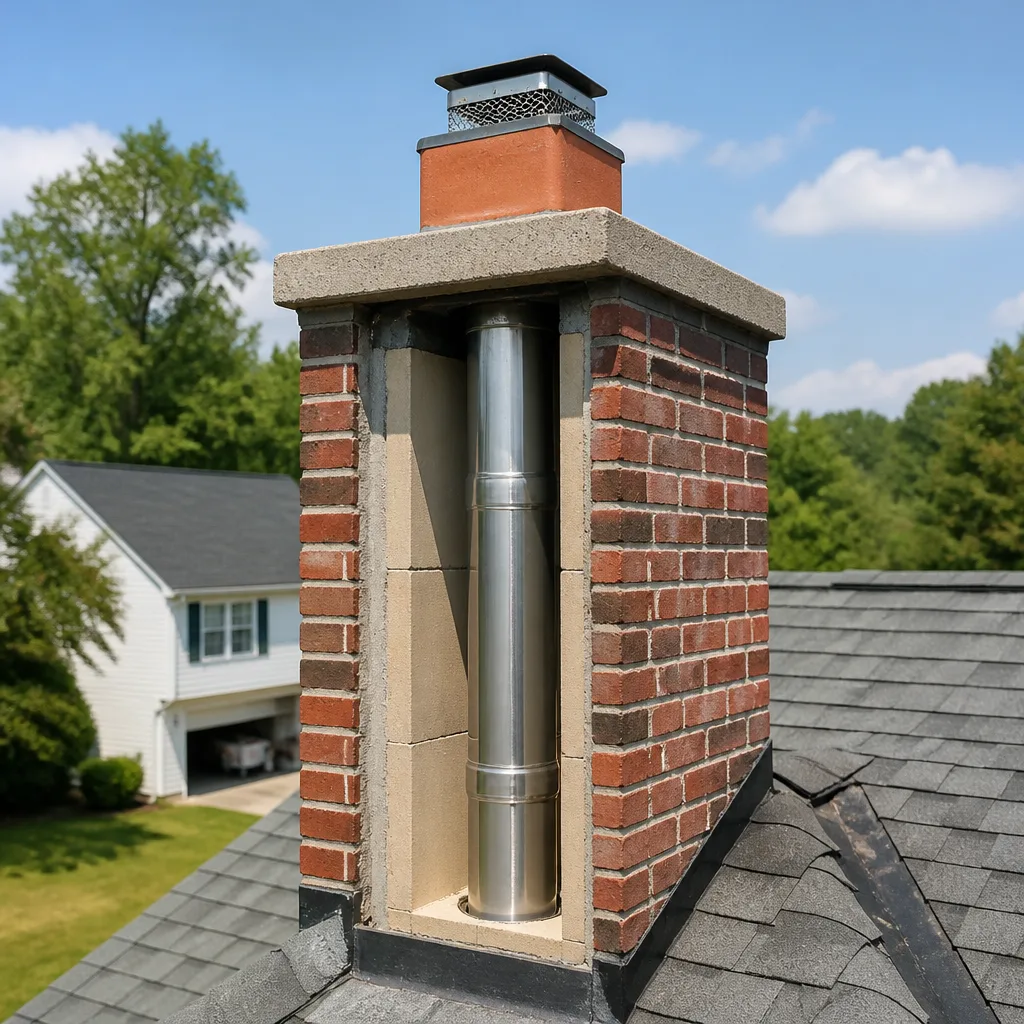
Condensation inside the liner. Gas fireplaces and high-efficiency appliances produce acidic moisture that can condense on a liner that isn’t venting correctly. That moisture corrodes metal liners and degrades masonry over time. It’s invisible from the firebox, and it doesn’t announce itself until the liner has failed.
The through-line: in a low-use, high-dormancy fireplace environment, the problems build quietly. That’s exactly the environment where professional eyes every year are worth more, not less.
What It Actually Takes to Match a Professional Result
Here’s the honest equipment list if you wanted to do a thorough DIY cleaning once, properly, with a reasonable shot at matching what a professional brings:
- Rods and brushes matched to your flue. Poly brushes for standard flues, wire brushes only where appropriate, and the correct diameter. The wrong size either skips the walls or jams in the flue. Rod kits with enough length to reach the top of your chimney.
- Drop cloths and plastic sheeting. A chimney cleaning generates fine soot that drifts into every surface in the room. Professionals use canvas drop cloths and taped plastic because the mess is real.
- A HEPA vacuum rated for fine soot. A shop vac without HEPA filtration just redistributes soot into the air. A proper HEPA unit with chimney-rated filtration runs several hundred dollars on its own.
- An inspection camera with a light. This is the piece most DIY kits leave out entirely, and it’s the piece that matters most. A camera lets you see the flue interior, the smoke chamber transition, and the liner condition. Without one, you’re cleaning blind.
- Respiratory protection rated for fine particulate. Soot and creosote dust are irritants. A basic dust mask is not adequate.
- Roof access equipment. Ladder stabilizers, a roof harness if you’re going up top, and the judgment to know when the roof pitch or the weather makes it a bad idea. Roof work is where DIY chimney cleaning turns into a genuine safety problem.
Add the equipment cost up honestly and you’re looking at a few hundred dollars before you’ve cleaned anything. Compare that against the cost of a single professional visit and the DIY equipment math gets uncomfortable fast, and that’s before you account for what the camera would have found.
Tasks That Are Genuinely Reasonable to Self-Perform
There’s a real list of things homeowners can and should do between professional visits. These are the tasks that don’t require a brush, a ladder or a camera, and they genuinely help.
- Visual check of the firebox. Look at the firebrick and mortar joints. Crumbling mortar, cracked brick or gaps are worth flagging to a professional. You’re not fixing them, you’re noting them.
- Damper testing. Open and close the damper and confirm it moves freely and seals when closed. A damper that sticks or won’t fully close is a call-the-professional item, but the check itself takes thirty seconds.
- Ash removal. Once the firebox is completely cold, remove excess ash. A thin ash bed is fine. A deep one restricts airflow.
- Exterior cap and crown check from the ground. With binoculars, look at the cap and the crown. Missing cap, rusted cap, visible cracks in the crown, or a crown that’s clearly pulling away from the flue are all worth a call. Don’t go up on the roof to check; ground-level observation is enough.
- Debris check in the firebox. Leaves, bird nests and debris can drop into an uncapped chimney. Clearing debris from the firebox floor is reasonable. Anything stuck higher up is not.
- Confirming the flue is clear before the first burn of the season. A quick look up the flue with a flashlight from the firebox tells you whether there’s an obvious obstruction. It won’t tell you about creosote, but it catches a nest.
Notice what’s not on that list: brushing the flue, going on the roof, and anything involving a camera. Those are the tasks where a trained professional with the right equipment earns the visit. For structural problems a sweep finds during a cleaning, our chimney repair and fireplace repair services handle the fix without a second contractor, which is a meaningful difference if you’re trying to avoid the “call someone else” conversation.
The Insurance and Liability Dimension
This is the part most DIY guides leave out entirely, and it’s the part that matters after a fire.
If a chimney fire damages your home and your insurance carrier investigates, one of the first things they ask for is documentation of maintenance. A professional inspection record shows the chimney was evaluated by someone qualified, that any found defects were documented, and that recommendations were made. If you cleaned the chimney yourself and there’s no inspection record at all, the carrier has no baseline to work from. That doesn’t automatically mean a claim gets denied, but it does complicate the process, and some policies contain maintenance clauses that require professional service for coverage to apply.
We’re not insurers, and we don’t give coverage advice. What we can tell you is that a written inspection report with photos is the cleanest paper trail you can have. It shows the chimney’s condition on a specific date, it documents what was found, and it gives you and your carrier a factual starting point.
There’s a second layer to this. If a DIY cleaning damages the flue tiles or dislodges mortar, the resulting repair bill is yours alone. There’s no professional’s insurance standing behind the work. That’s the quiet cost of doing it yourself: not the brush, but the absence of anyone accountable if something goes wrong.
DIY vs Professional: A Realistic Cost Comparison
Pricing varies by chimney configuration, but here’s the honest shape of the comparison for a typical Orange home:
- DIY brush kit and rods: around $40-$120 depending on flue diameter and rod length.
- HEPA vacuum rated for soot: several hundred dollars if you don’t already own one.
- Inspection camera with flue capability: the piece that turns a brush into an inspection. Several hundred dollars on its own.
- Drop cloths, respiratory protection, ladder accessories: modest individually, meaningful in total.
- Professional sweep with inspection and photo report: a per-job estimate given in writing before any work begins.
The honest read: if you’re already a tool-heavy homeowner with a HEPA vac and an inspection camera, the incremental equipment cost of a DIY cleaning is low. If you’re buying from scratch, you’re spending enough to cover several professional visits before you’ve matched the diagnostic capability. And even then, you’re missing the trained eye that knows what a normal flue looks like versus one that’s three winters from a failure.
What a professional visit actually buys you is the assessment. Our technicians have up to 13 years of experience reading flue condition, and the reason we carry inspections as a named service rather than an add-on is that the assessment is the point. When a sweep finds a liner problem, the fix often doesn’t require a full replacement. HeatShield resurfacing restores a damaged flue liner from the inside, and DuraFlex liners handle the cases where resurfacing alone won’t do it. Those options exist because the problem was caught in time. A brush alone wouldn’t have caught it.
A Decision Framework for Orange Homeowners
Here’s how to decide whether your particular chimney needs a professional visit or whether you can responsibly handle the routine between visits:
- Has the chimney been professionally inspected in the last 12 months? If not, book the visit first. Everything else follows from that baseline.
- Have you ever had a chimney fire, even a small one? If yes, professional inspection is not optional. Even a small chimney fire can crack flue tiles and damage the liner in ways you can’t see.
- Is the chimney capped? An uncapped chimney collects debris, water and wildlife. Get it capped professionally before worrying about DIY cleaning.
- When was the last time the crown was inspected? If it’s been more than a year, get professional eyes on it. Crown cracks are the single most common water-damage entry point we find.
- Do you have the equipment to clean safely and see the result? If not, DIY cleaning is brushing blind, and brushing blind is where the diagnostic value disappears.
- Are you comfortable on a roof? If the cleaning requires roof access and you’re not, that’s a professional job regardless of everything else.
- Is the flue straight and the liner in known-good condition? A straight, recently-inspected flue in good condition is the only case where DIY brushing between professional visits makes sense.
If you can answer every question in that list with confidence, you’re in a position to handle light maintenance between professional visits. If not, book the visit and let the professionals handle it. Our Orange Chimney Sweep Pros team covers sweeping, inspection, repair and cap and crown work under one company, which means a sweep that turns up a problem doesn’t send you looking for a second contractor.
Common Mistakes to Avoid
- Assuming a cleaned flue is a safe flue. A clean flue can still have cracked tiles, a failing liner or a damaged crown. Cleaning removes fuel. Inspection finds the structural problems that feed it.
- Going on the roof without roof-safety equipment. Every year, homeowners fall off roofs trying to clean chimneys themselves. Ladder stabilizers and a harness aren’t optional if you’re going up, and if you don’t own them, that’s your answer.
- Brushing without seeing. Cleaning a flue you haven’t inspected is the equivalent of painting over water damage. The soot comes off, the problem stays.
- Skipping the inspection record. If you clean the chimney yourself and there’s no professional documentation, you have no baseline for insurance or for next year’s comparison. The paper trail matters more than most homeowners realize.
- Ignoring the cap and crown in Orange’s climate. Sun and dry seasonal cycles are hard on masonry crowns. A crown that has pulled away from the flue lets water in all winter. This is a professional fix, not a DIY one.
- Treating a low-use fireplace as a no-maintenance fireplace. Long dormancy followed by heavy seasonal use is harder on a chimney than year-round burning. The idle months are when moisture and small problems do their work.
- Using a wire brush on a metal liner. Wire brushes can score and damage metal liners. Poly brushes are the correct tool for most modern liner materials, and getting the brush material wrong causes damage a homeowner won’t notice until the liner fails.
When to Call a Professional
Call a professional if any of these apply: the chimney hasn’t been inspected in the last year, you’ve had any chimney fire event, you see cracked or missing firebrick in the firebox, you notice a cracked or separated crown, you smell creosote in the house when the fireplace isn’t burning, the damper sticks or won’t seal, the cap is missing or damaged, you’re seeing smoke back up into the room, or you simply don’t know when it was last serviced. Any one of those is enough. Orange Chimney Sweep Pros offers free estimates in Orange; call (877) 770-1853. We answer 24/7, with fast dispatch from 7am to 7pm, Sunday through Friday.
One more case worth naming: gas fireplaces. A gas appliance has a liner and vent system that needs professional evaluation just as much as a wood-burning flue, and the failure modes are different. Condensation and corrosion happen quietly. Don’t assume a gas fireplace is a low-maintenance one.
Frequently Asked Questions
You can physically brush a chimney yourself, but you can’t do the inspection that makes the cleaning meaningful. A brush removes soot; it doesn’t detect Stage 2 creosote, cracked flue tiles, a failing liner or a damaged crown. If the chimney was recently inspected and found in good condition, DIY brushing between visits is reasonable. If it hasn’t been professionally inspected, book the visit first. Call (877) 770-1853 for a free estimate.
You can’t reliably tell from the firebox with a flashlight. Stage 2 creosote is the hardened, glazed, tar-like layer that bonds to flue walls, and confirming it usually requires a camera inspection plus a trained eye. If your fireplace has had heavy use or any previous chimney fire, assume it needs professional evaluation. Call (877) 770-1853 and we’ll inspect and give you a straight answer.
No. Mild winters mean more dormancy, not less maintenance. Fireplaces that sit unused for months and then burn heavily in the cooler months see cumulative stress on the masonry, and the idle months are when moisture and small structural problems do their work. Annual inspection is the right cadence here regardless of the mild weather. Call (877) 770-1853 to book one.
Not automatically, but the absence of professional inspection records complicates the claim process, and some policies contain maintenance clauses that require professional service. A written inspection report with photos gives you a documented baseline that a self-cleaned chimney simply doesn’t have. Call (877) 770-1853 for an inspection with a photo report.
A matched rod-and-brush kit, canvas drop cloths, a HEPA vacuum rated for soot, an inspection camera with flue capability, proper respiratory protection, and roof-safety gear if you’re going up top. The camera and the HEPA vacuum are the two items that turn a brushing into an inspection, and they’re the two items most DIY kits leave out. Add it up honestly and a professional visit is usually the better value. Call (877) 770-1853 for an exact quote.
Visual firebox checks, damper testing, ash removal from a completely cold firebox, and a ground-level look at the cap and crown with binoculars. Those tasks are reasonable and useful. Brushing the flue, going on the roof and inspecting the liner require equipment and training most homeowners don’t have. Call (877) 770-1853 when it’s time for the professional visit.
The Bottom Line
The DIY chimney cleaning question isn’t really about whether you can brush a flue. You probably can. It’s about whether you can see what’s happening inside the flue, and on the crown, and in the smoke chamber, while you’re doing it. In Orange’s climate, with long dormant periods and heavy seasonal use, the problems that build quietly are the ones that matter most. A brush doesn’t find them. A camera and a trained eye do. Keep the firebox checks and the ash removal for yourself. Put the sweeping, the inspection and the structural repair in professional hands, and get a written record while you’re at it. That’s the line, and it’s a principled one.
Orange Chimney Sweep Pros works with professional-grade products including HeatShield, DuraFlex, Gelco and Copperfield, which means when an inspection turns up a problem, we can handle the repair, resurfacing or a new liner under the same visit rather than handing you off to someone else. From the firebox to the cap, one team, one record, one point of accountability.
Call (877) 770-1853 for a free estimate. We answer 24/7, with fast dispatch from 7am to 7pm, Sunday through Friday, closed Saturday. Whether you’re ready to book a full sweep and inspection or you just want to talk through what a professional visit would cover at your Orange home, we’re glad to walk you through it.
Written by the team at Orange Chimney Sweep Pros.
See the difference
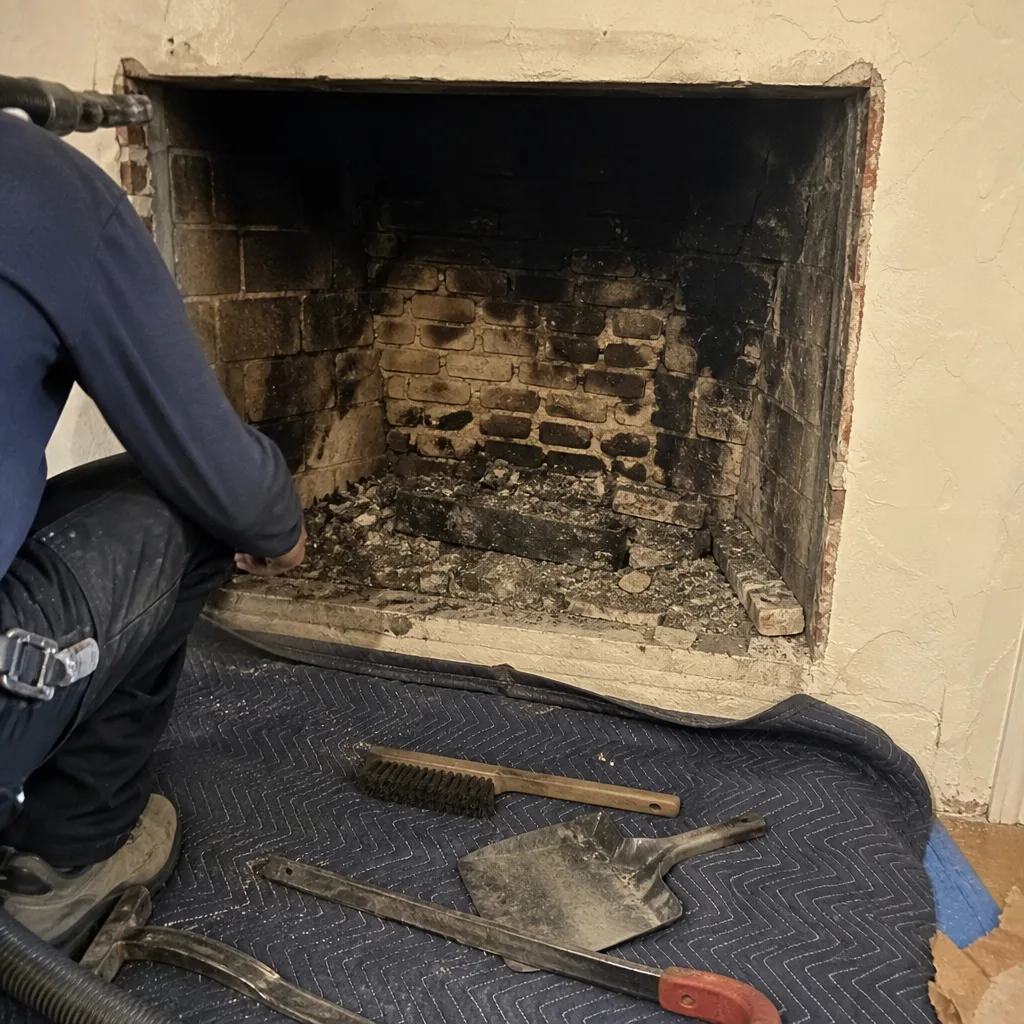 Before
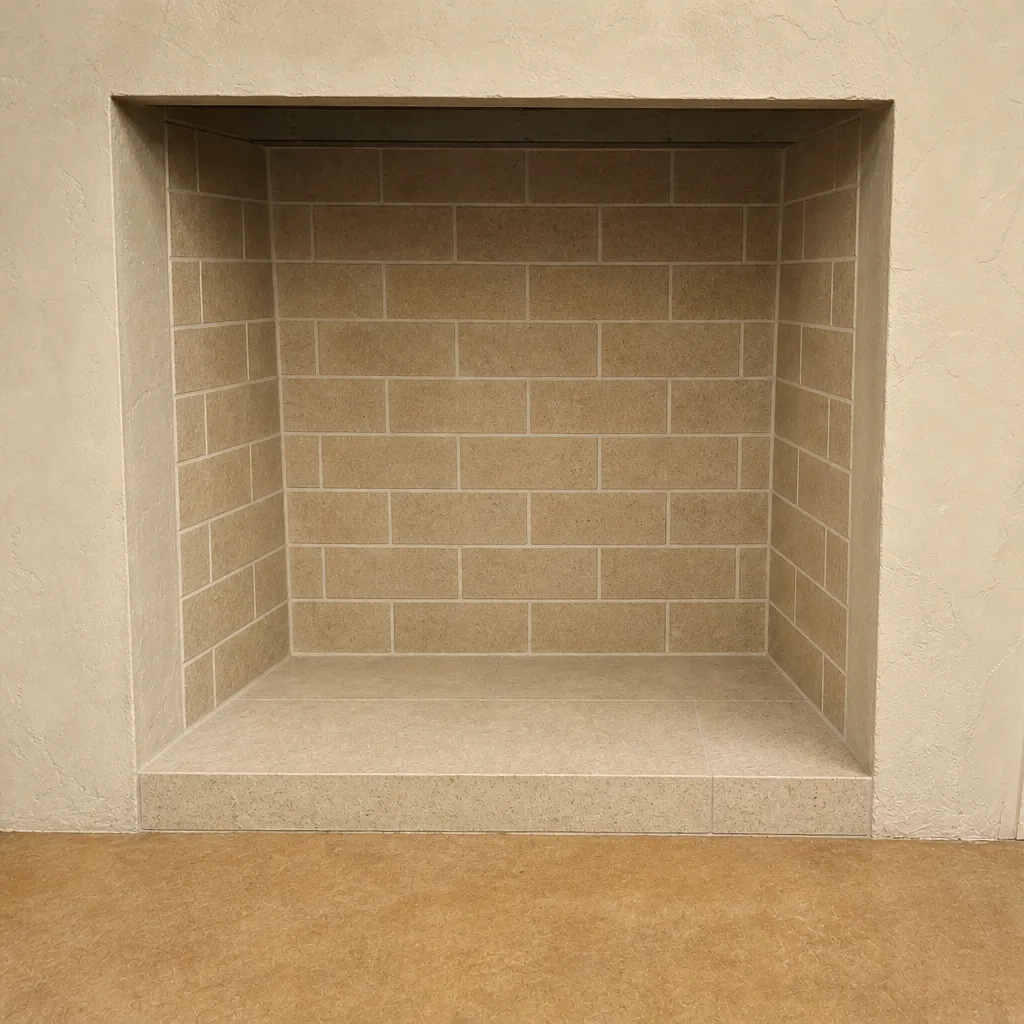 After
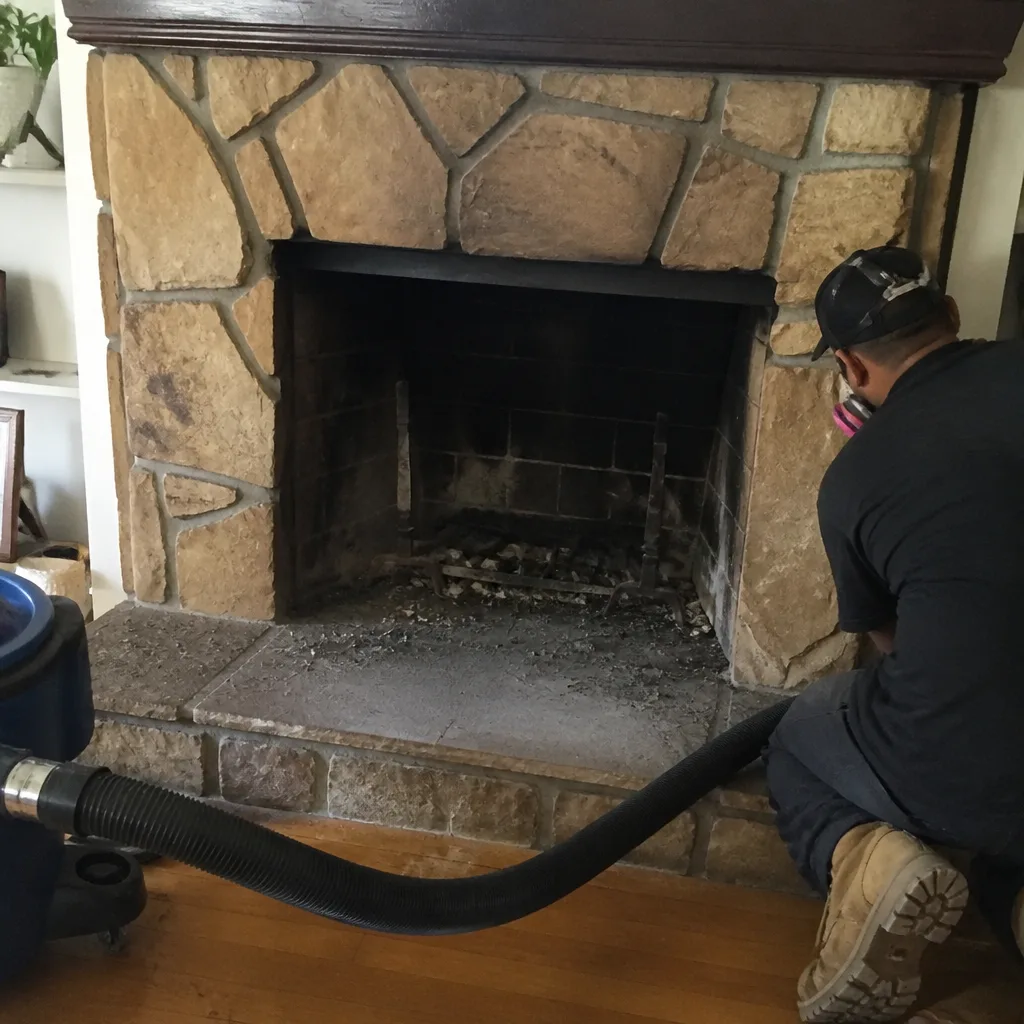 Before
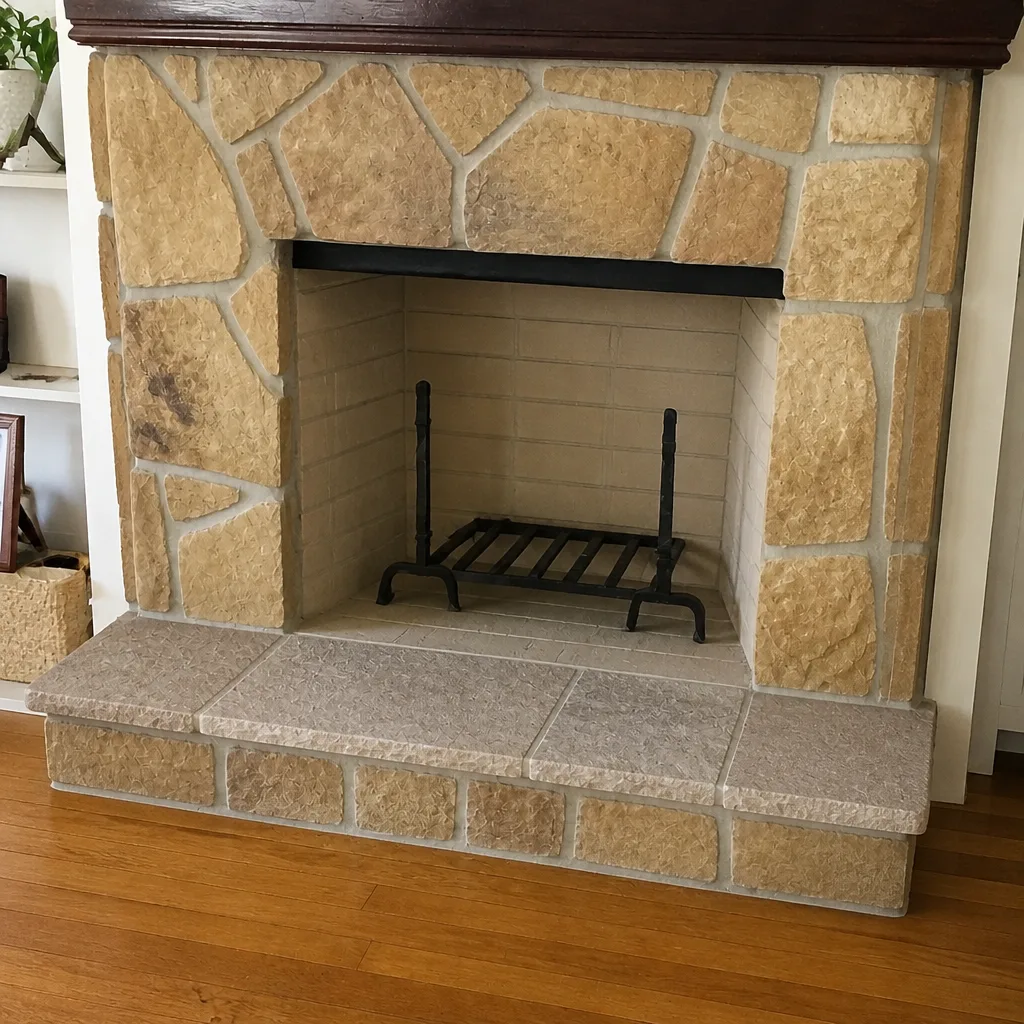 After
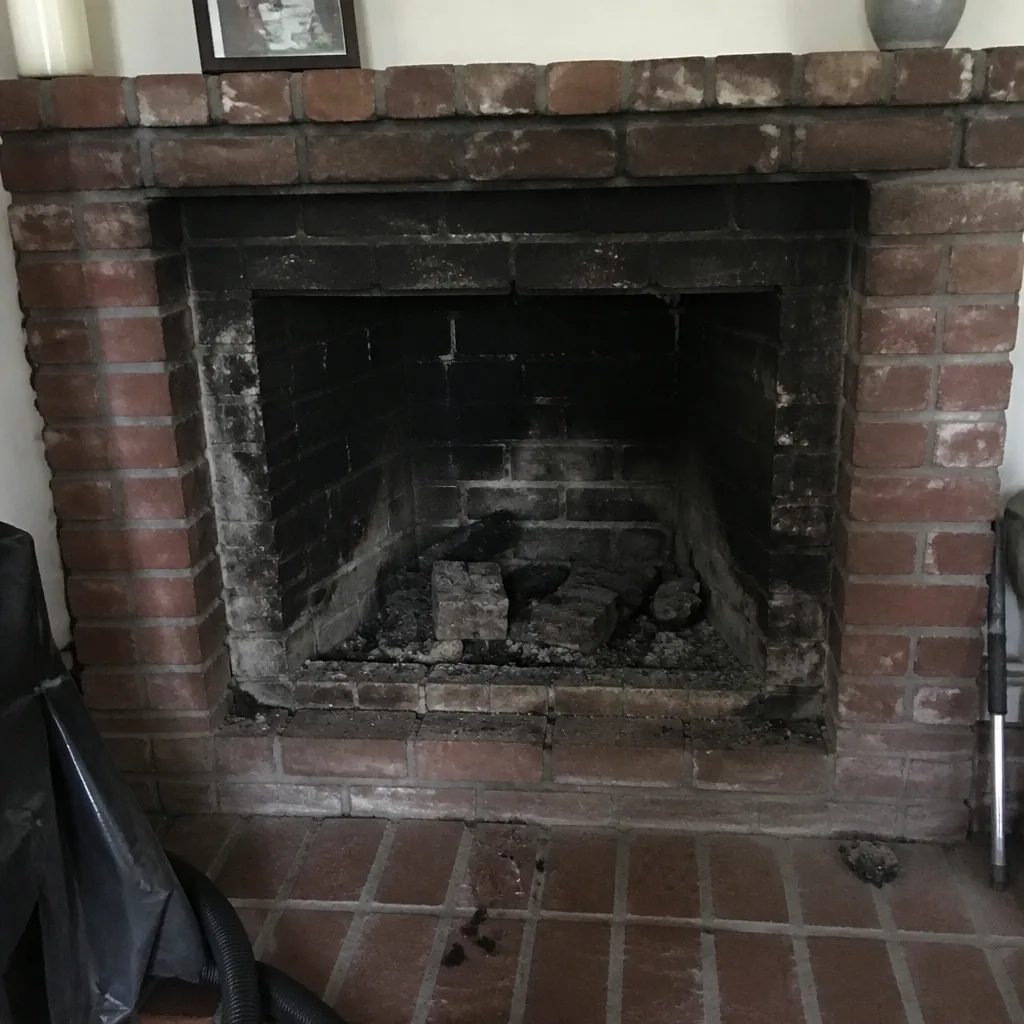 Before
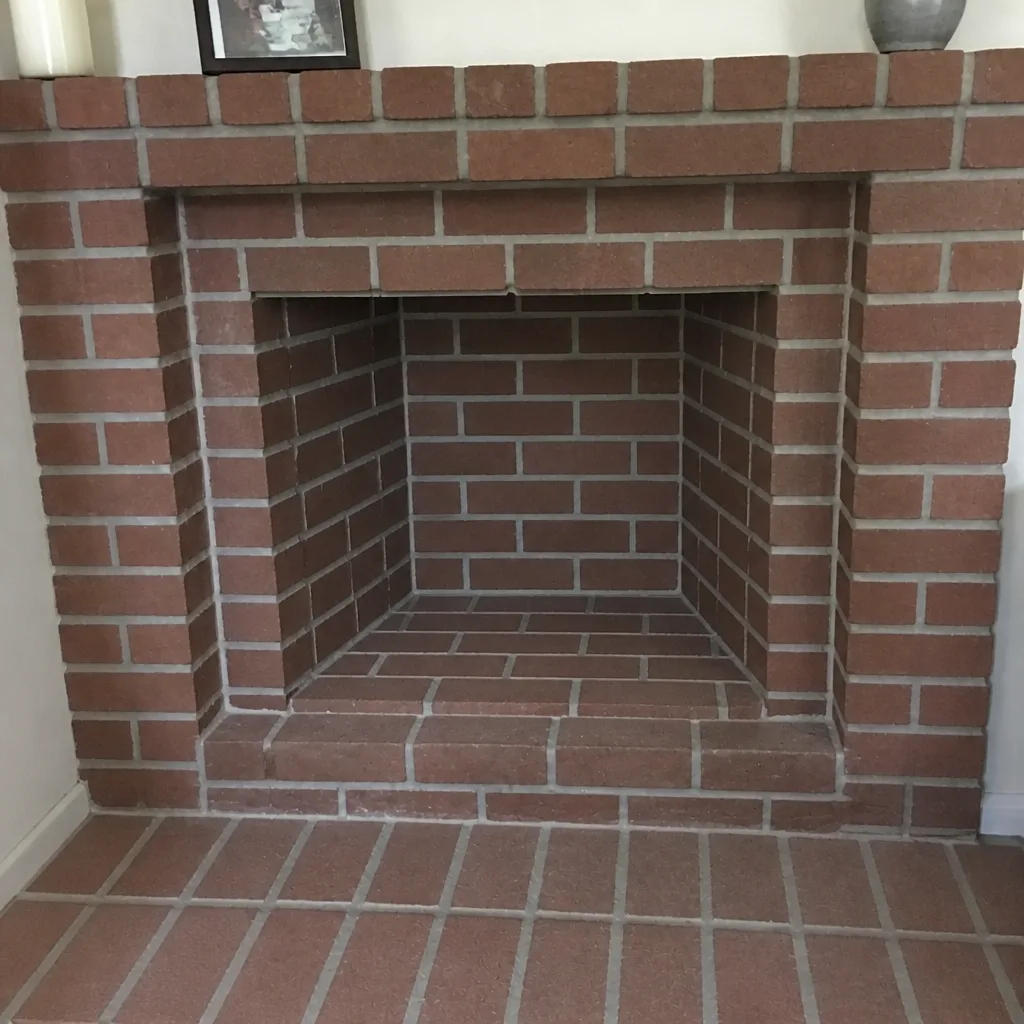 After